FitnessLifeMag.com

HEALTH • FITNESS • WELLNESS

Better Information.
Smarter Choices.
Healthier Living.

Evidence-informed health, fitness, supplement, and wellness information to help you make more informed everyday choices.

Featured Health & Wellness

Our latest research-informed articles, reviews and practical guides.

HEALTH & WELLNESS

Understanding Popular Wellness Ingredients

Learn what the available evidence says about commonly used ingredients.

HEALTH & FITNESS

Fitness

Building a Healthier Everyday Routine

Simple, sustainable strategies for supporting a healthier lifestyle.

HEALTH SUPPLEMENTS

Supplement

What to Know Before Choosing a Supplement

A practical guide to reading labels, understanding claims and making informed choices.

Latest Product Reviews

Balanced reviews covering ingredients, formulation, value and available evidence.

SUPPLEMENT REVIEW

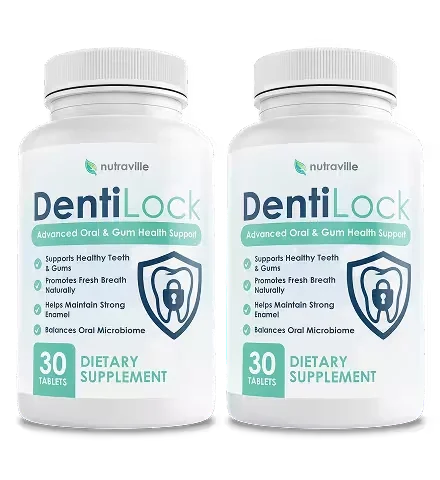
Product Review Placeholder

Replace with a real, researched product review.

SUPPLEMENT REVIEW

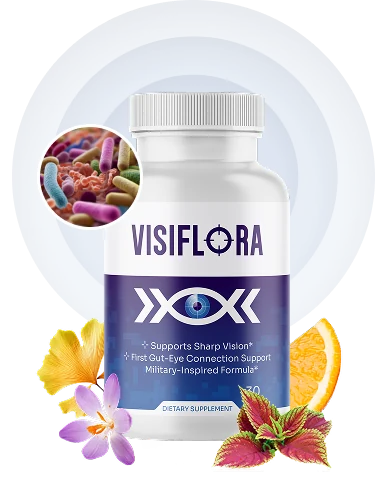
Product Review Placeholder

Replace with a real, researched product review.

SUPPLEMENT REVIEW

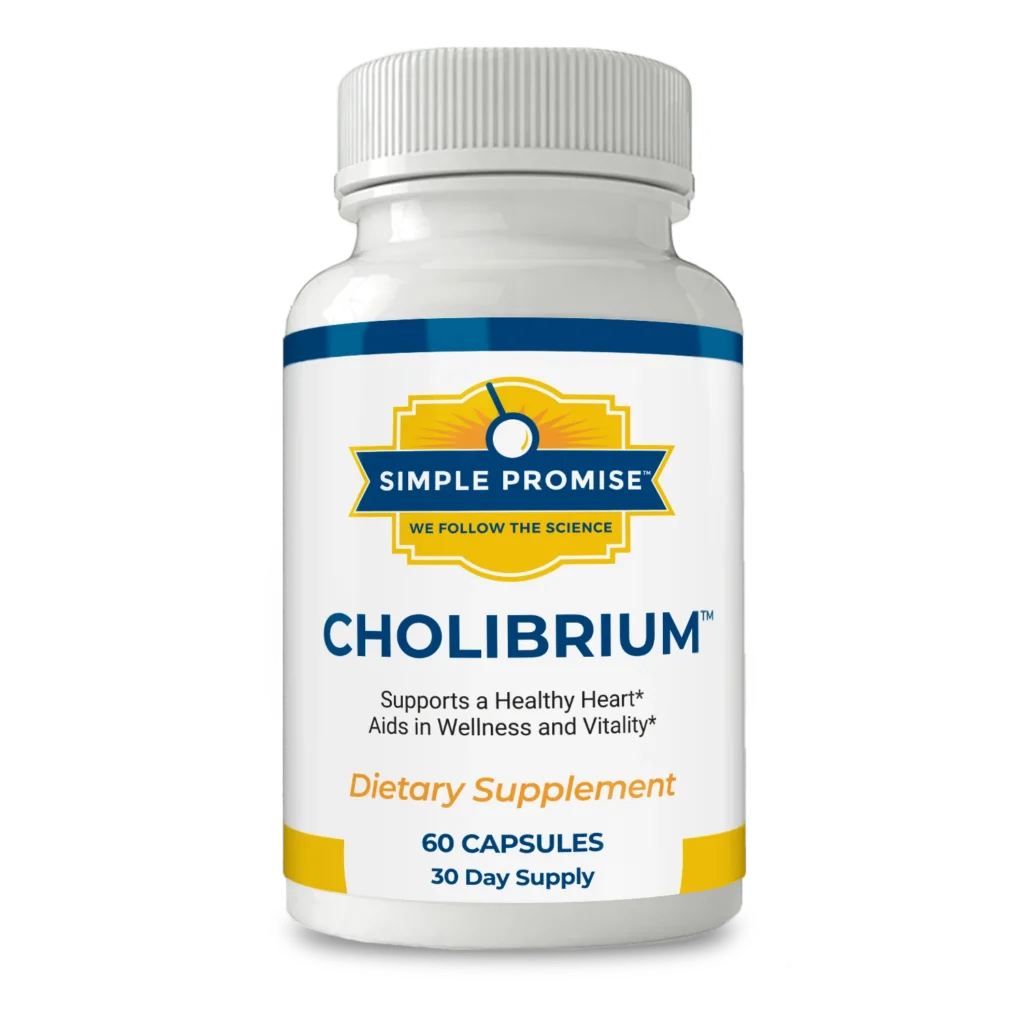
Product Review Placeholder

Replace with a real, researched product review.

Explore FitnessLifeMag

Explore our latest health, fitness and wellness topics.

Fitness

Training, recovery and performance.

Health & Wellness

Everyday health, nutrition and wellness.

Supplements

Reviews and product analysis.

Reviews

Detailed product comparisons.

Ingredients

Research-informed ingredient guides.

Guides

Practical health and fitness resources.

How We Evaluate Products

Clear, balanced and evidence-informed evaluation.

01

Research

Review available scientific evidence and reliable sources.

02

Ingredients

Examine formulas, ingredients and dosage information.

03

Transparency

Look at brand claims and public information.

04

Value

Consider price, formulation, usability and value.

Ingredient Research

Understand What’s Inside the Products You Use

Supplements and wellness products often contain a long list of ingredients, but the label alone doesn’t always tell you what those ingredients actually do. Our Ingredient Research section breaks down commonly used vitamins, minerals, fatty acids, amino acids, herbs, and other compounds in a simple, evidence-informed format.

We look at what the ingredient is, what it may support, what research says, common uses, safety considerations, and important limitations—helping you better understand the products you use.

🔹 Magnesium

What is Magnesium?

Magnesium is an essential mineral involved in many normal functions throughout the body. It contributes to normal muscle and nerve function, energy metabolism, electrolyte balance, and maintenance of normal bones and teeth.

What is it commonly used for?

Magnesium supplements are commonly used to help maintain adequate magnesium intake, particularly when dietary intake may be insufficient.

What does research suggest?

Research has examined magnesium in areas including normal muscle function, energy metabolism, and maintaining healthy magnesium status. The effects of supplementation can depend on an individual’s existing intake, the form of magnesium used, and other factors.

What should you know before using it?

Different magnesium forms can provide different amounts of elemental magnesium and may be tolerated differently. Higher supplemental intakes can cause digestive discomfort, particularly loose stools or diarrhea.

Bottom line:
Magnesium is an essential nutrient, but more isn’t necessarily better. The appropriate amount depends on diet, individual needs, and the specific product.

🔹 Creatine

What is Creatine?

Creatine is a naturally occurring compound found in the body and in foods such as meat and fish. It is stored primarily in muscle tissue and plays an important role in the body’s rapid energy system.

What is it commonly used for?

Creatine is widely used in sports nutrition and is particularly popular among people involved in resistance training and high-intensity exercise.

What does research suggest?

Creatine monohydrate is one of the most extensively studied sports-nutrition ingredients. Research supports its role in improving performance during repeated high-intensity exercise and supporting increases in strength and lean muscle mass when combined with appropriate training.

What should you know before using it?

Some people experience an increase in body weight after beginning creatine supplementation, largely because muscles retain more water. Product quality and serving size should also be considered.

Bottom line:
Creatine is one of the better-researched sports-nutrition ingredients, particularly for strength and high-intensity exercise performance.

🔹 Vitamin D

What is Vitamin D?

Vitamin D is a fat-soluble vitamin that plays an important role in calcium absorption and contributes to normal bone, muscle, and immune function.

Why is it important?

Adequate vitamin D is important for maintaining normal calcium metabolism and skeletal health. The body can produce vitamin D through exposure to sunlight, while certain foods and supplements can also provide it.

What does research suggest?

Vitamin D supplementation can be useful for people who have inadequate vitamin D levels. However, supplementation is not automatically beneficial for everyone, particularly when adequate levels are already present.

What should you know before using it?

Vitamin D is fat-soluble, meaning excessive intake over time can lead to excessive levels in the body. It’s therefore important to follow appropriate dosage guidance rather than assuming that higher doses provide greater benefits.

Bottom line:
Vitamin D is an essential nutrient, but supplementation should be appropriate to individual needs and dietary intake.

🔹 Omega-3 Fatty Acids

What are Omega-3s?

Omega-3 fatty acids are a group of polyunsaturated fats found in foods such as fatty fish, certain seafood, flaxseed, chia seeds, and walnuts.

The most commonly discussed marine omega-3s are EPA (eicosapentaenoic acid) and DHA (docosahexaenoic acid).

Why are they commonly used?

Omega-3 supplements, particularly fish-oil products, are commonly used to increase intake of EPA and DHA.

What does research suggest?

Omega-3 fatty acids have been extensively researched in relation to cardiovascular health, triglyceride levels, brain function, and other areas. Evidence can vary depending on the specific omega-3, dose, population, and health outcome being studied.

What should you know before using it?

Not all fish-oil products contain the same amounts of EPA and DHA. When comparing products, it’s more useful to look at the actual EPA and DHA amounts rather than only the total fish-oil quantity.

Bottom line:
When evaluating an omega-3 supplement, consider the actual EPA/DHA content, product quality, dosage, and your individual nutritional needs.

What Should You Look For on a Supplement Label?

Before choosing a supplement, consider:

1. Active Ingredients
Look beyond the front of the bottle and check the full ingredient list.

2. Dosage
Compare the actual amount of each active ingredient per serving.

3. Form of the Ingredient
Different forms of the same nutrient or compound may have different characteristics.

4. Additional Ingredients
Check for fillers, flavors, sweeteners, colors, or other inactive ingredients.

5. Product Quality
Look for clear labeling and information about manufacturing and quality controls.

6. Evidence vs. Marketing Claims
A product’s marketing claims should not automatically be treated as proof that it works.

How We Test & Review Health Products

At FitnessLifeMag, we aim to make health and wellness product reviews easier to understand, more transparent, and more useful. Our review process looks beyond marketing claims and considers the information, evidence, formulation, safety, and value that may matter to consumers.

How We Test & Review Health Products

We evaluate health and wellness products using a consistent review process. Depending on the product, we look at the ingredient formula, available scientific evidence, dosage, safety information, product transparency, manufacturing details, value, and other relevant factors.

Our goal is not simply to repeat a manufacturer’s marketing claims. We compare what a product claims with the information and evidence available so readers can better understand its potential benefits, limitations, and risks.

Important: If a product has not been personally tested by our team, we clearly distinguish research-based evaluation from hands-on testing.

What We Look for Across Health Product Categories

Different products require different evaluation criteria. A supplement, protein powder, vitamin, or wellness product may require a slightly different review approach. However, we generally consider:

  • Ingredients & Formula – What is included and in what amounts?
  • Scientific Evidence – What does credible research suggest?
  • Safety – Are there known side effects, warnings, or interaction concerns?
  • Quality & Transparency – Is useful product and manufacturing information available?
  • Value – Does the price make sense compared with similar products?
  • Brand Credibility – How transparent and established is the company?

This allows us to evaluate products beyond packaging, advertising, or popularity.

How to Choose the Right Product for Your Wellness Goal

Start with your goal—not the marketing claim.

Before choosing a health product, consider what you actually want to achieve. Different products may be designed for different purposes, and a product that makes sense for one person may not be appropriate for another.

Consider the ingredients, dosage, evidence, safety, quality, cost, and your individual needs before making a decision.

We encourage readers to compare products carefully rather than choosing solely based on reviews, ratings, discounts, or promotional claims.

Is This Product Right for You?

A good product isn’t necessarily the right product for everyone.

When deciding whether a product fits your needs, consider your wellness goal, diet, lifestyle, existing health circumstances, medications, allergies, and sensitivity to specific ingredients.

Our reviews can help you understand the product, but they cannot determine whether a supplement is medically appropriate for you. If you have a medical condition, take medication, are pregnant or breastfeeding, or have other health concerns, speak with a qualified healthcare professional before using a new supplement.

Pros & Cons

A balanced review should show both sides.

Every product has strengths and limitations. Instead of presenting a product as simply “good” or “bad,” we highlight the factors that may matter most to consumers.

Pros may include:

  • Well-supported ingredients
  • Transparent formula
  • Useful dosage
  • Good value
  • Quality or testing information

Cons may include:

  • Limited scientific evidence
  • Underdosed ingredients
  • High price
  • Lack of transparency
  • Potential safety considerations

This gives readers a clearer picture before deciding whether a product is worth considering.

HEALTH & FITNESS GUIDE

Practical Information for Healthier Everyday Living

Explore evidence-informed guides designed to make complex health and fitness topics easier to understand.

From the FitnessLifeMag Journal

Latest articles, insights and practical resources.

FEATURED

How to Make More Informed Health & Fitness Choices

Practical information for healthier everyday living.

FITNESS

Understanding Recovery and Rest

Learn the basics of supporting recovery.

WELLNESS

How to Read a Supplement Label

Key details to look for when comparing products.

Frequently Asked Questions About Health, Fitness & Supplements

Welcome to the FitnessLifeMag FAQ section. Here you’ll find answers to common questions about dietary supplements, ingredients, fitness, wellness, product reviews, and the information published on our website.

Our goal is to make health and wellness information easier to understand while helping readers make more informed decisions about the products and lifestyle choices they consider.

General Questions About FitnessLifeMag

FitnessLifeMag is a health, fitness, supplements, and wellness information website that provides research-informed articles, product reviews, ingredient guides, comparisons, and practical health and fitness resources.

Our content is designed to help readers better understand health and wellness topics and make more informed decisions.

FitnessLifeMag covers a wide range of health and wellness topics, including dietary supplements, vitamins and minerals, supplement ingredients, fitness and exercise, sports nutrition, weight management, general wellness, healthy lifestyle information, supplement reviews, ingredient research, product comparisons, and health and fitness guides.

We aim to provide practical information while clearly distinguishing available evidence from marketing claims.

FitnessLifeMag provides general educational and informational content. Our website is not intended to replace professional medical advice, diagnosis, or treatment.

If you have a medical condition, take prescription medication, are pregnant or breastfeeding, or have concerns about a particular supplement or health issue, consult an appropriately qualified healthcare professional.

We evaluate products using multiple factors rather than relying solely on a brand’s marketing claims.

Depending on the product, our review process may consider:

  • Ingredient formulation
  • Active ingredient amounts
  • Available scientific evidence
  • Product transparency
  • Manufacturing and quality information
  • Brand reputation
  • Pricing and overall value
  • Potential benefits and limitations
  • Potential side effects and safety considerations

Our objective is to provide readers with a balanced overview rather than simply promoting a product.

We aim to keep our editorial content independent and transparent.

When we review a supplement or wellness product, we consider available information and evidence rather than simply repeating promotional claims made by the manufacturer.

Where appropriate, we also disclose commercial relationships or affiliate arrangements that may exist.

Ingredient & Supplement Questions

No.

Individual responses to supplements can vary significantly. Results may depend on factors such as diet, lifestyle, existing nutritional status, dosage, product formulation, consistency, and individual circumstances.

No supplement should be presented as guaranteed to produce the same result for every person.

Evidence-informed means that we aim to consider available scientific research and credible information when discussing health, fitness, supplements, and ingredients.

Evidence can vary in quality and strength, so we try to distinguish between well-established findings, emerging research, limited evidence, and claims that remain uncertain.

Our ingredient research guides explain commonly used supplement ingredients in an easy-to-understand format.

Depending on the ingredient, we may discuss:

  • What the ingredient is
  • What it is commonly used for
  • Potential benefits
  • What research suggests
  • Typical supplement considerations
  • Potential side effects
  • Safety considerations
  • Important limitations

The purpose is to help readers understand what they are actually getting in a supplement product.

There is no single factor that determines whether an ingredient is effective.

When evaluating an ingredient, consider:

  1. The quality of available research
  2. The amount of the ingredient being used
  3. The specific form of the ingredient
  4. The population studied
  5. The health outcome being measured
  6. Whether the available evidence is consistent

A supplement’s marketing claim alone should not be considered proof that an ingredient will produce a particular result.

No.

“Natural” does not automatically mean safe or appropriate for everyone.

Some natural ingredients can cause side effects, interact with medications, or be unsuitable for certain individuals. Safety can also depend on the dose, duration of use, product quality, and individual circumstances.

Fitness & Wellness Questions

No.

Many people can obtain important nutrients through a balanced diet. Whether a supplement is useful depends on individual nutritional needs, dietary intake, lifestyle, and other factors.

A supplement should not automatically be considered necessary simply because it is popular or heavily marketed.

When comparing supplements, don’t look only at the price or the number of ingredients.

Consider:

  • Active ingredients
  • Amount per serving
  • Ingredient forms
  • Dosage
  • Number of servings
  • Additional ingredients
  • Product quality information
  • Available evidence
  • Brand transparency
  • Cost per serving

A product with a longer ingredient list is not necessarily a better product.

Yes. FitnessLifeMag publishes general fitness and exercise information covering topics such as training, strength, recovery, physical activity, and healthy lifestyle habits.

Our fitness content is intended for general educational purposes and should be adapted to an individual’s abilities and circumstances.

FitnessLifeMag provides general educational information about nutrition, physical activity, supplements, and healthy lifestyle habits that may be relevant to weight management.

However, we do not guarantee specific weight-loss results.

Healthy weight management can depend on many factors, including nutrition, physical activity, sleep, genetics, environment, and individual health circumstances.

There is no single “best” supplement for everyone.

The usefulness of a supplement depends on factors such as the individual’s goals, diet, training routine, nutritional status, ingredient quality, dosage, and available evidence.

Instead of choosing a product simply because it is popular, readers should consider whether its ingredients and formulation are appropriate for their specific needs.

Product & Purchasing Questions

FitnessLifeMag primarily provides health, fitness, supplement, ingredient, and product information.

When product links are provided, they may direct visitors to third-party retailers, manufacturers, or sales partners. The purchasing terms, shipping policies, and customer service provided by those companies may differ from FitnessLifeMag.

Some articles may contain links to products or retailers.

Depending on the link and commercial relationship, FitnessLifeMag may receive a commission if a reader makes a qualifying purchase through an affiliate link. This does not necessarily increase the price paid by the customer.

Any applicable commercial relationship should be disclosed appropriately on the relevant page.

FitnessLifeMag may participate in selected affiliate programs.

If you purchase a product through an eligible affiliate link, we may receive a commission at no additional cost to you.

Affiliate relationships do not guarantee that a product will receive a positive review or recommendation.

Product recommendations may consider factors such as formulation, ingredient transparency, available evidence, product quality information, pricing, brand transparency, and overall value.

Recommendations are not guarantees of effectiveness and should be considered alongside your own needs and circumstances.

No.

FitnessLifeMag content is intended for general education and should not replace advice from a qualified healthcare professional.

If you have symptoms, a medical condition, concerns about a supplement, or questions about interactions with medication, seek advice from an appropriate healthcare professional.

Safety & Medical Questions

Yes. Some dietary supplements and herbal ingredients may interact with prescription or over-the-counter medications.

The possibility of an interaction can depend on the specific ingredient, dose, medication, and individual circumstances.

If you take medication, speak with a qualified healthcare professional before starting a new supplement.

Not necessarily.

Health and supplement information intended for adults should not automatically be applied to children.

Parents and caregivers should consult an appropriately qualified healthcare professional before giving supplements or making significant dietary or health changes for a child.

Stop and seek appropriate professional guidance if you experience concerning or unexpected symptoms after taking a supplement.

For severe or emergency symptoms, seek immediate medical attention.

Do not rely solely on online information to manage a potentially serious reaction.

We aim to review and update important content when relevant information changes.

Updates may be made when new evidence becomes available, product formulations change, brands update their information, or other important details become outdated.

However, not every article can be updated immediately after every change.

Topics may be selected based on reader interest, emerging health and wellness trends, commonly searched questions, popular supplement ingredients, product categories, and the availability of useful information.

Our goal is to focus on subjects that provide practical value to our readers.

Editorial, Privacy & Contact Questions

Yes.

If there is a health, fitness, supplement, ingredient, or product topic you’d like us to research, you can contact the FitnessLifeMag team at:

info@FitnessLifeMag.com

Please understand that submitting a suggestion does not guarantee that the topic or product will be reviewed.

Brands and manufacturers may contact FitnessLifeMag regarding products or relevant information.

However, submitting a product does not guarantee a positive review, recommendation, publication, or specific editorial outcome.

Our editorial content should remain based on the information and evidence available to us.

We take privacy seriously and handle personal information according to our Privacy Policy.

Information collected through the website may include information voluntarily provided by visitors, technical information, cookies, and information required to operate certain website features.

For complete details, please review our Privacy Policy.

Yes, the website may use cookies and similar technologies for purposes such as website functionality, analytics, preferences, security, and improving the user experience.

The types of cookies used and how they are handled may vary depending on the services and technologies implemented on the website.

For general questions, feedback, corrections, content suggestions, or other inquiries, contact:

Email: info@FitnessLifeMag.com

For questions related to a specific order, refund, shipping issue, or product purchase, please contact the retailer or seller responsible for that transaction when applicable.

Final Verdict & Recommendations

After reviewing the available evidence, ingredients, formulation, safety information, transparency, and value, we provide a straightforward final assessment.

We explain who may find the product worth considering, who may want to look at alternatives, and what limitations should be kept in mind.

Our verdict is intended to help readers make a more informed decision—not to guarantee a particular health outcome.

Our Approach to Transparency

Our reviews are designed to provide a balanced assessment rather than guarantee a specific result. Product information, formulations, pricing, available evidence, and other details can change over time, so readers should check the latest product information before making a purchase or health decision.

Important Health Disclaimer

The information published on FitnessLifeMag.com is provided for general educational and informational purposes only. It is not intended to constitute medical advice, diagnosis, treatment, or a substitute for professional healthcare guidance.

Health, fitness, supplement, and wellness information may not apply equally to every individual. Always consider your own circumstances and consult an appropriately qualified healthcare professional when necessary.

Do not use information on FitnessLifeMag.com to diagnose or treat a medical condition or to replace advice from your doctor or other qualified healthcare professional.

Scroll to Top