
Gluco6 Side Effects Review 2026: Chromium & Liver Risks
Affiliate disclosure: purchases through links may earn a commission at no extra cost to you. Read disclosure.
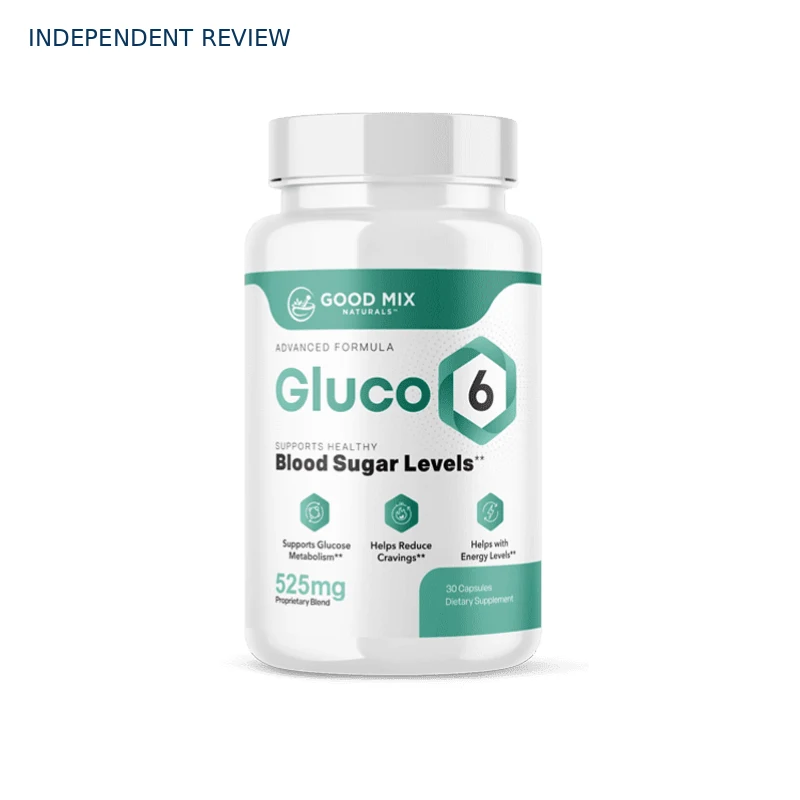
This safety review extends the main Gluco6 review with ingredient-specific cautions and a practical clinician checklist. It uses the official SAMPLE panel, which lists ten actives, while distinguishing documented ingredient hazards from an unmeasured Gluco6 adverse-event rate. The actual bottle and the person’s medication list remain essential for an individualized assessment.
| Compound / exposure | Tolerability concern | Interaction / uncertainty | Who needs particular caution |
|---|---|---|---|
| Chromium 1 mg | Possible low-glucose risk with glucose-lowering treatment | NIH ODS flags insulin/antidiabetic interactions; levothyroxine absorption concern | People taking regular medicines; kidney/liver disease |
| Green tea, quantity hidden | Digestive effects; uncommon extract-associated liver injury | EGCG percentage supplied; actual EGCG/caffeine mg missing | Liver disease or past supplement-related injury |
| Cassia cinnamon, quantity hidden | Digestive/allergic effects; coumarin concern | Coumarin amount unlisted | Liver disease; people taking medicines |
| Theacrine / theobromine | Stimulant-type sensitivity question | Amounts unknown; caffeine exposure also unspecified | People with palpitations, sleep or sensitivity concerns |
| Eleuthero root | Safety data limited in nursing | Potential effects require medicine-specific assessment | Pregnancy/nursing excluded by formula label |
| D3 50 mcg / B1 100 mg | Total intake and indication matter | Include other supplements in exposure review | People stacking multi-ingredient products |
| Whole formula | No reliable product event percentage established | Interactions of the complete combination unmeasured | Under-18s, pregnancy and nursing excluded on sample |
Digestive and Short-Term Side Effects
The reviewed sources do not establish how often Gluco6 causes nausea, digestive discomfort, headache or other symptoms. Individual ingredients can have tolerability effects, but those reports cannot produce a product-specific percentage. A new symptom after starting the capsule deserves assessment in relation to timing, medicines and other recent changes.
NCCIH describes digestive or allergic effects with larger or prolonged cinnamon exposure. Green-tea supplements can also cause adverse effects. These observations concern ingredients and preparations, not a controlled safety dataset for Gluco6. The quantity and form actually consumed help determine how relevant an observation may be. [cinnamon] [green]
Keep a concise record of the symptom, capsule timing, other medicines, food context and any relevant readings requested by a clinician. Bring the actual bottle and batch information to the assessment. A clinician can decide whether to stop exposure, investigate another cause or arrange reporting.
Stimulant, Laxative and Undisclosed-Dose Screening
The sample label includes theobromine and theacrine, so the sales-page no-stimulant wording needs qualification. Green tea is standardized to 65% EGCG without its extract mass or caffeine quantity. No senna is listed on that panel, but absence from artwork is not an independent laboratory screen for every batch.
TeaCrine research in 60 healthy adults assessed specified safety markers at 200 or 300 mg daily over eight weeks. It does not establish universal safety for a different multi-ingredient mixture, for people taking several medicines or for every possible dose. Gluco6’s theacrine amount is undisclosed. Taylor et al. (2016) — PMID 26766930 [teacrine]
- Ask whether the green-tea preparation contains caffeine and how much per serving.
- Include coffee, energy products and other stimulating supplements in the review.
- Do not interpret a vegetable capsule or plant-derived ingredient as proof of zero pharmacologic activity.
- A missing botanical name is not the same as an independent contaminant or adulterant analysis.
The label’s total blend mass is a limit on quantity, not a safety certificate. A small combined amount can still contain ingredients relevant to a particular medicine or medical history. Composition details are expanded in the ingredient and excipient audit and ingredient research hub.
Prescription Medicine and Supplement Interactions
Chromium can add to the effects of insulin or other glucose-lowering medicines, and NIH ODS also describes reduced levothyroxine absorption with concurrent chromium picolinate. The sample formula uses niacinate, so do not assume identical interaction magnitude. Have a pharmacist assess the exact product, prescription timing and personal monitoring needs.
An interaction review should include prescription drugs, nonprescription medicines and every supplement, rather than only medicines taken at the same clock time. The relevant question is the combination’s effect and the individual’s susceptibility. Do not improvise a dose reduction or medication-spacing schedule from a general review. [chromium]
Green-tea extract and cassia cinnamon deserve additional attention when there is liver disease or concern about other liver-affecting products. LiverTox describes clinically apparent injury associated with green-tea extract; it does not provide a Gluco6-specific incidence estimate. An unknown extract quantity prevents a quantitative exposure assessment. [liver]
| Bring to the pharmacist | Why it helps |
|---|---|
| Actual bottle and batch details | Identifies the formula being considered |
| All medicines and supplement labels | Reveals duplicated nutrients and combined effects |
| Relevant liver/kidney history | Changes how ingredient hazards may apply |
| Current monitoring plan | Supports appropriate interpretation without changing prescriptions independently |
Vitamin D3 contributes 50 mcg on the sample panel. Count other vitamin D products when discussing total intake rather than assuming the amount in one bottle describes total exposure. This is an intake-review point, not a diagnosis of excess or a recommendation to change a prescribed supplement. [vitd]
Who Should Not Take Gluco6 Without Further Assessment?
The SAMPLE label says not to use Gluco6 under age 18 or during pregnancy or nursing, and to consult a physician when taking medication or managing a condition. Adults with liver or kidney disease, unexplained symptoms or planned procedures should discuss the full formulation with their clinical care professionals.
Eleuthero’s LactMed entry notes limited nursing safety information and recommends caution about use during breastfeeding. That does not override the formula’s stronger instruction excluding nursing users. Do not infer that evidence for a different single ingredient makes this complete combination appropriate during pregnancy or breastfeeding. LactMed: Eleuthero — PMID 30000865 [eleuthero]
- Under 18: follow the manufacturer exclusion; adult research cannot be transferred automatically.
- Pregnancy or nursing: the sample formula is explicitly excluded.
- Liver or kidney conditions: seek individual review before exposure.
- Upcoming procedure: disclose all ten actives to the treating clinician; follow their instructions rather than a generic stop date.
Use the Dietary Supplements Guide for broader risk-assessment principles and the clinical-evidence review for what benefit has or has not been established. A possible benefit hypothesis does not remove a contraindication or justify stopping established care.
Warning Signs Requiring Prompt Medical Attention
Severe confusion, fainting, breathing difficulty or rapidly worsening symptoms require urgent medical help rather than waiting for a supplement to work. Jaundice or dark urine also warrants prompt assessment and stopping the suspect supplement. These warnings describe clinical concerns, not proof that Gluco6 causes a particular complication in every user.
If a person cannot respond normally or appears seriously unwell, obtain emergency care. Do not give an unconscious person a capsule, food or drink. People using diabetes medicines should follow the emergency plan their clinician has already provided and seek assistance when symptoms are severe or uncertain. [hypoglycemia]
For a suspected liver-related reaction, retain the product packaging and tell the clinician about the full ingredient list and other exposures. LiverTox advises against re-exposure after green-tea-extract injury. Avoid a deliberate retry to see whether a serious reaction happens again. [liver]
Gluco6 Safety FAQs
These five safety questions examine the sample chromium amount, stimulant wording, green-tea preparations and thyroid-medicine timing. The answers identify why product form and personal context matter. They do not establish a universal safe dose, diagnose a reaction or replace the individualized assessment of a clinician or pharmacist.
Does the 1 mg chromium dose mean Gluco6 is automatically unsafe?
No single amount establishes the safety of the complete formula for every person. The sample panel’s 1 mg equals 1,000 mcg chromium. Medicines, kidney or liver history, chromium form and total exposure all matter. A clinician should judge suitability rather than treating the number as a universal verdict.
Can no-stimulant wording rule out palpitations or sleep sensitivity?
No. The sample artwork names theobromine and theacrine and does not quantify caffeine from green tea. Marketing wording cannot replace a complete exposure assessment. People concerned about palpitations, sleep or stimulating products should discuss the actual panel and other sources of stimulation with a clinician.
Is brewed green tea equivalent to concentrated green-tea extract for safety?
No. Preparation and concentration differ, and LiverTox distinguishes ordinary beverage use from extract-associated liver injury reports. Gluco6’s sample panel lists a standardized green-tea ingredient without its individual mass. That prevents directly translating tea-drinking experience into a quantitative safety assessment of the capsule.
Should I change thyroid medicine timing because this formula contains chromium?
Do not create a new schedule from this review alone. NIH ODS describes an absorption concern involving chromium picolinate and levothyroxine, while the sample formula lists niacinate. Ask the pharmacist who knows your prescription to assess the exact preparation and provide any necessary timing instructions.
Can combining several blood sugar supplements increase interaction concerns?
Yes. Multiple products can overlap in chromium, stimulating compounds or botanical extracts even when brand names differ. Bring every supplement label and your prescription list to a pharmacist. The 1,000 mcg chromium quantity on the Gluco6 sample panel should be assessed within that complete exposure history.
References
- Official manufacturer SAMPLE label
- NIH ODS: Chromium
- NCCIH: Cinnamon
- NCCIH: Green Tea
- LiverTox: Green Tea
- Taylor L et al. (2016). Safety of TeaCrine®, a non-habituating, naturally-occurring purine alkaloid over eight weeks of continuous use. J Int Soc Sports Nutr. DOI: 10.1186/s12970-016-0113-3. PMID: 26766930.
- NIH ODS: Vitamin D
- LactMed: Eleuthero — PMID 30000865
- NCCIH: Diabetes and Dietary Supplements
- NIDDK: Low Blood Glucose (Hypoglycemia)