
What Ingredients Are Listed for DentiCore?
The current seller presentation names eight DentiCore ingredients: calcium, iodine, copper, chromium, Chlorella vulgaris, chlorophyllin, boron citrate complex, and shilajit extract. This confirms the names presented to shoppers, but it does not establish the amount or chemical form of every nutrient in a serving.
 Calcium
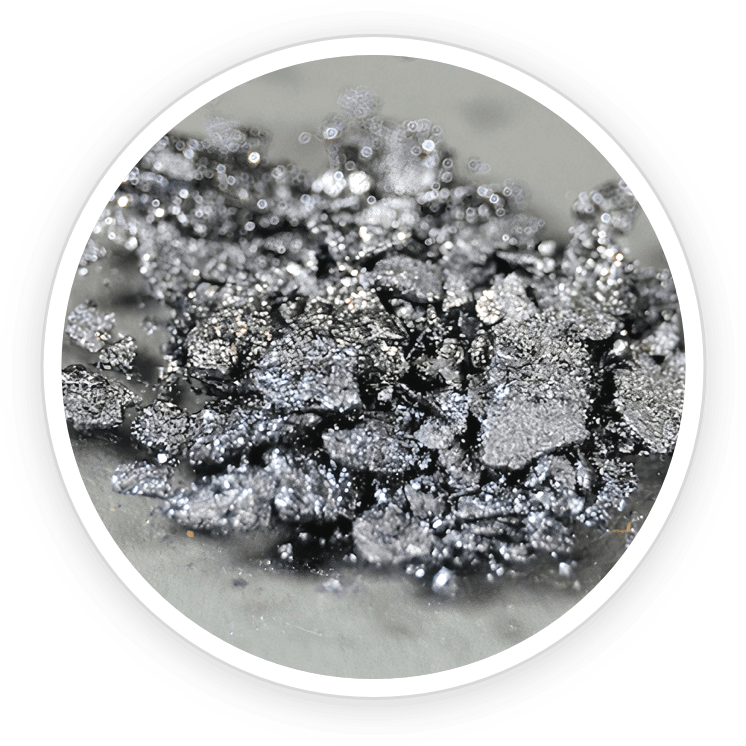 Iodine
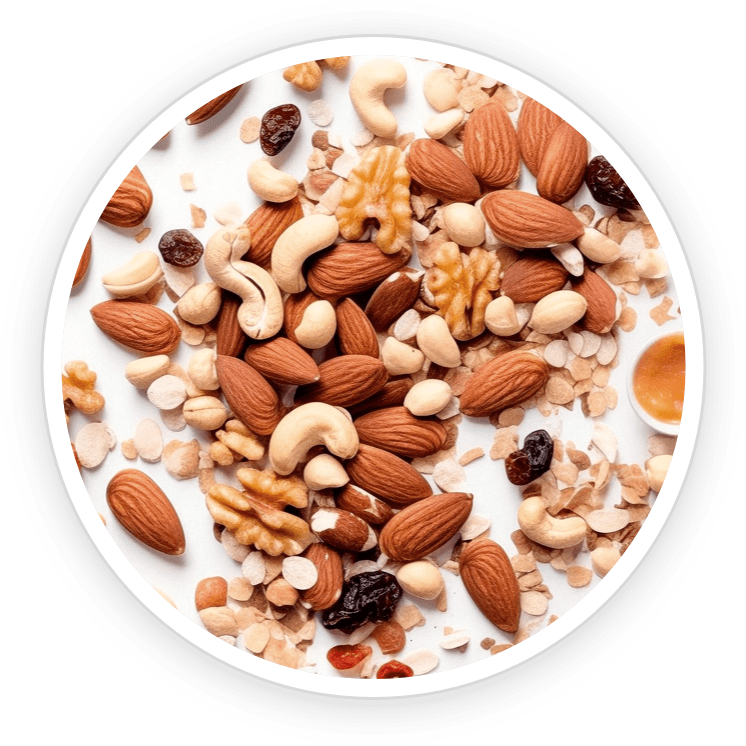 Copper
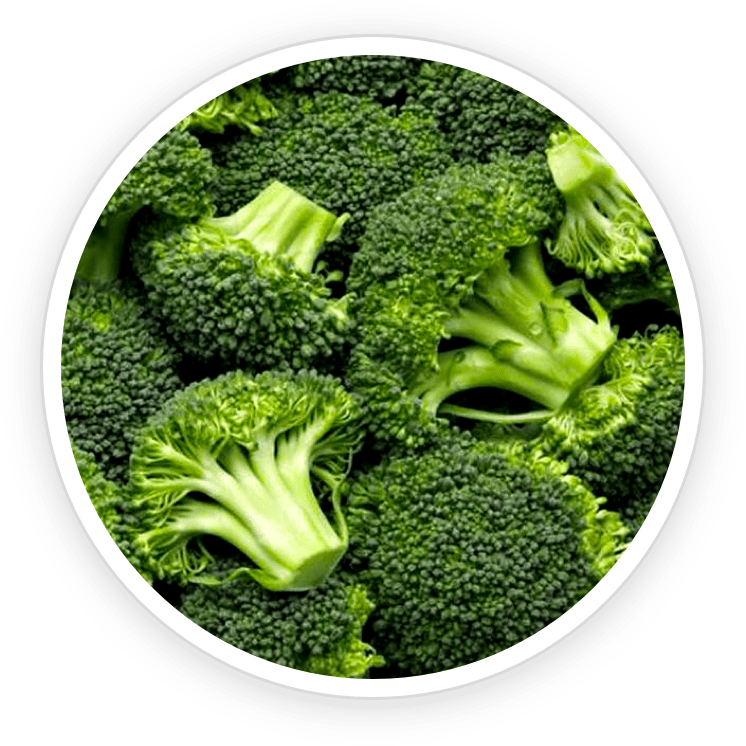 Chromium
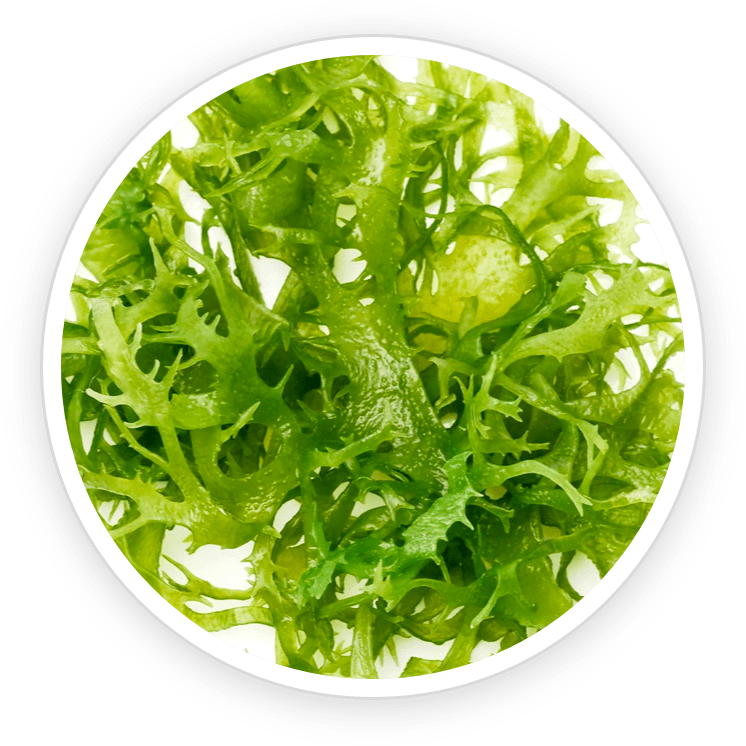 Chlorella vulgaris
 Chlorophyllin
 Boron Citrate Complex
 Shilajit Extract
Image note: ingredient graphics identify the materials promoted by the seller; they do not verify dose, purity, absorption, or clinical effectiveness.
DentiCore Ingredient Evidence at a Glance
| Ingredient | Established role or evidence | Oral-health relevance | Key limitation |
|---|---|---|---|
| Calcium | Essential mineral; a major component of bones and teeth. | Biologically relevant to mineralized tissue. | Indirect Normal physiology does not prove a chewable supplement repairs teeth. |
| Iodine | Required for thyroid hormone production. | No strong basis located for treating routine dental disease through this product. | Weak fit Dose and iodine form matter for safety. |
| Copper | Supports enzymes involved in connective-tissue synthesis and other functions. | Plausible biological relevance, but not product-level proof. | Indirect Amount and form are undisclosed. |
| Chromium | Supplement research is largely metabolic; clinical significance is often uncertain. | A direct dental benefit is not established. | Unclear Can interact with diabetes medicines and levothyroxine. |
| Chlorella vulgaris | Algae studied for several nutritional and metabolic outcomes. | Limited basis for claims about the complete DentiCore formula. | Limited Species, preparation, dose, and quality vary. |
| Chlorophyllin | Water-soluble chlorophyll derivative studied in contexts unrelated to routine oral care. | No finished-product evidence located. | Distant Evidence from another route or condition is not transferable. |
| Boron citrate complex | Boron has proposed roles in mineral metabolism, but no adult RDA is established. | Only indirect biological plausibility. | Indirect Exact elemental boron amount is unknown. |
| Shilajit extract | Natural mineral-organic material with variable composition. | No reliable evidence located that this ingredient makes DentiCore effective for dental disease. | Quality concern Purity and standardization are important. |
Ingredient-by-Ingredient Review
1. Calcium
Calcium has the clearest connection to teeth at the level of normal human biology. The NIH Office of Dietary Supplements explains that calcium forms much of the structure of bones and teeth. However, teeth do not remodel like bone, and this general role cannot establish that an oral supplement reverses tooth decay or rebuilds damaged enamel.
The calcium form and elemental amount are essential for interpretation. Calcium carbonate and calcium citrate, for example, differ in elemental calcium and absorption conditions. Without the Supplement Facts panel, buyers cannot compare the serving with dietary reference values or estimate total intake.
2. Iodine
Iodine is primarily an essential thyroid nutrient. Both insufficient and excessive intake can affect thyroid function, and the NIH notes potential interactions with antithyroid medicines and certain other drugs. That makes an undisclosed amount especially unhelpful for people already taking iodine, thyroid medication, or medications that affect potassium.
The presence of iodine does not by itself provide a convincing mechanism for treating cavities or periodontal disease. Any oral-health claim needs direct clinical evidence using the complete product, not merely the fact that iodine is biologically active.
3. Copper
Copper is a cofactor for enzymes involved in energy production, iron metabolism, connective-tissue synthesis, and other processes. Those functions make copper nutritionally important, but they do not demonstrate that extra copper improves dental outcomes in people who already have adequate intake.
The NIH sets an adult upper limit because excessive copper can damage the liver. People with Wilson's disease have a particular risk of copper toxicity. Exact dose disclosure is therefore relevant even when a nutrient is essential.
4. Chromium
Chromium supplements are most often discussed in relation to glucose metabolism rather than oral health. The NIH summarizes inconsistent findings and notes that the clinical importance of small changes observed in some diabetes studies is unclear. That evidence is too far removed to support a dental-effectiveness claim.
Chromium may interact with insulin or other diabetes medicines and may reduce levothyroxine absorption when taken at the same time. Anyone using those medicines should not guess about an undisclosed chromium dose.
5. Chlorella vulgaris
Chlorella vulgaris is a microalga used in dietary supplements. Research on chlorella preparations cannot automatically be applied to DentiCore because products can differ in strain, processing, nutrient profile, contamination testing, and dose. We did not locate persuasive finished-product evidence tying the DentiCore combination to a clinically meaningful dental outcome.
6. Chlorophyllin
Chlorophyllin is a water-soluble derivative of chlorophyll. Human and laboratory research exists in several non-dental contexts, but that is not direct support for preventing tooth decay or treating gum disease. Route matters too: evidence involving a topical preparation cannot establish what an orally consumed chewable product does.
7. Boron Citrate Complex
Boron is a trace element studied for possible relationships with mineral metabolism and other functions. The NIH notes that an adult recommended dietary allowance has not been established. “Boron citrate complex” also does not tell the buyer how much elemental boron a serving supplies.
At most, the ingredient provides an indirect biological hypothesis. A plausible hypothesis still requires product-specific testing before it becomes a reliable efficacy claim.
8. Shilajit Extract
Shilajit is a complex natural material whose composition can vary by source and processing. With this type of ingredient, identity, purification, standardization, and contaminant testing matter as much as the name. A front-label ingredient list cannot answer those quality questions.
We did not locate reliable evidence that shilajit makes the complete DentiCore formula effective for common dental conditions. Buyers should avoid interpreting broad traditional-use or antioxidant language as clinical proof.
Why the Missing Supplement Facts Panel Matters
A useful label should allow the buyer to identify serving size, the quantity of each dietary ingredient, percent Daily Value where established, and other ingredients. Without that information, even a careful ingredient review reaches a hard limit.
- You cannot determine whether the amounts resemble doses studied in humans.
- You cannot reliably check combined intake from food, multivitamins, and other supplements.
- You cannot evaluate whether a nutrient is present in a trivial or potentially excessive amount.
- You cannot confirm sweeteners, flavors, binders, allergens, or other inactive ingredients.
- You cannot make a responsible product-level effectiveness judgment from ingredient names alone.
Safety and Interaction Considerations
DentiCore should not be treated as risk-free simply because several ingredients are nutrients or natural materials. The FDA advises consumers to discuss supplements with a doctor, pharmacist, or other healthcare professional because supplements can involve risks and interactions. FDA also does not approve dietary supplements for safety and effectiveness before marketing.
Extra caution is reasonable for people who are pregnant or breastfeeding, have thyroid disease, diabetes, kidney or liver disease, Wilson's disease, known allergies, or use prescription medicines. Children should not use an adult supplement unless a qualified pediatric professional specifically recommends it.
Dental pain, swelling, bleeding gums, loose teeth, fever, or a suspected infection needs professional dental assessment. A supplement should not delay diagnosis or replace fluoride toothpaste, brushing, interdental cleaning, a suitable diet, or treatment recommended by a dentist.
See effectiveness, complaints, price, refund terms and the final evidence-based verdict in the pillar review.
Our Verdict on the DentiCore Formula
The ingredient list contains recognized nutrients and several less conventional materials, but the available information does not support a confident product-level conclusion. Calcium has a clearly established structural role in teeth; copper, iodine, chromium, and boron have broader physiological roles. Chlorella, chlorophyllin, and shilajit add hypotheses, not proof.
The deciding limitation is formula transparency. Until exact amounts, ingredient forms, other ingredients, warnings, and quality documentation are available, shoppers cannot determine whether DentiCore meaningfully matches research, fits their total intake, or presents avoidable interaction risks.
Practical conclusion: the ingredient names are not automatically a red flag, but they are also not enough to validate the marketing. Evaluate DentiCore as an incompletely documented supplement—not as a proven treatment for teeth or gums.
Related DentiCore Research
Frequently Asked Questions
What are the main ingredients in DentiCore?
The current seller presentation lists calcium, iodine, copper, chromium, Chlorella vulgaris, chlorophyllin, boron citrate complex, and shilajit extract.
Are the exact DentiCore ingredient amounts disclosed?
We have not verified a readable Supplement Facts panel showing exact amounts, serving details, and inactive ingredients. That prevents dose-level comparison with independent research.
Do the ingredients prove DentiCore works?
No. Ingredient-level evidence and normal nutrient functions do not prove that the finished combination produces a dental benefit. Product-specific human trials would provide much stronger evidence.
Can DentiCore rebuild enamel or cure gum disease?
The listed ingredients do not establish that DentiCore rebuilds enamel, cures periodontal disease, or replaces dental treatment. Disease claims require appropriate clinical evidence and professional diagnosis.
Who should ask a professional before using it?
People who use prescription medicines or have thyroid, diabetes, kidney, liver, copper-metabolism, allergy, pregnancy, or breastfeeding considerations should discuss the complete label with a qualified professional first.
Sources and Editorial Notes
Seller source: current DentiCore presentation for the marketed ingredient list. Independent references: NIH calcium fact sheet, NIH iodine fact sheet, NIH copper fact sheet, NIH chromium fact sheet, NIH boron fact sheet, and FDA supplement guidance. Reviewed September 2026. This article distinguishes seller claims from independent evidence and does not provide medical or dental advice.