
Supplement Ingredients Guide
Explore the existing ingredient library, including evidence, dosage context, safety and interactions.
Editorial identity: Biraj Health Care
FitnessLifeMag • Ingredient Research
From Magnesium to Melatonin — A Research-Backed Look at 25 Common Supplement Ingredients
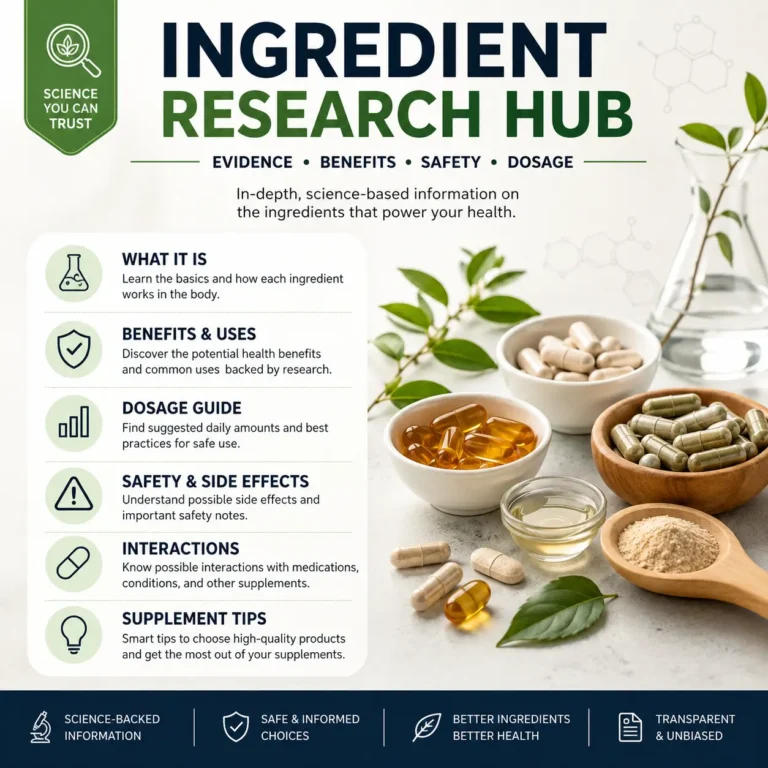
Choosing the right supplement starts with understanding what’s actually in it. This ingredient guide breaks down 25 commonly used vitamins, minerals, amino acids, and botanical compounds—covering what each ingredient does, how much research supports it, typical dosage ranges, safety considerations, and potential drug interactions.
Whether you’re comparing magnesium forms, checking vitamin D guidance, or trying to understand what the research says about ashwagandha or collagen, this guide provides clear, evidence-informed information—without the marketing hype.
Browse the Ingredient Guide
Edited by Biraj Health Care • Updated September 13, 2026
Evidence-informed educational content; not medical advice.
Magnesium: Benefits, Dosage, and What the Research Really Shows
Magnesium is one of the most essential minerals in the human body, playing a foundational role in over 300 biochemical reactions. It contributes to normal muscle contraction and relaxation, proper nerve signaling, energy metabolism at the cellular level, electrolyte balance, and the ongoing maintenance of healthy bones and teeth. Despite its importance, many people don’t get enough magnesium through diet alone, which is why magnesium supplements have become a staple in the wellness and fitness space.
Why Do People Take Magnesium?
Magnesium supplements are most commonly used to help close the gap between dietary intake and the body’s actual needs. This is particularly relevant for people with restrictive diets, high physical activity levels, or certain digestive conditions that limit mineral absorption. Beyond general nutritional support, magnesium is frequently marketed for muscle recovery, sleep quality, and stress management — though the strength of evidence varies across these specific uses.
What Does the Research Say?
Scientific research on magnesium has focused heavily on its role in muscle and nerve function, cellular energy metabolism, and the correction of magnesium deficiency. The research is fairly consistent in confirming magnesium’s essential physiological roles, but less consistent when it comes to whether supplementation provides measurable benefits for people who already have adequate magnesium status. In other words, results tend to depend heavily on a person’s baseline intake, the chemical form of magnesium used, and individual health factors.
Dosage Guidance
For most healthy adults, total daily magnesium intake (from food and supplements combined) generally falls in the range of 310–420 mg/day, depending on age and sex. It’s worth noting that the U.S. Tolerable Upper Intake Level (UL) specifically for supplemental (non-food) magnesium is capped at 350 mg/day for adults — a distinction that’s often missed on product labels.
Safety Considerations & Side Effects
The most commonly reported side effects of magnesium supplementation are gastrointestinal — diarrhea, nausea, and abdominal cramping — and these tend to occur more frequently at higher doses or with certain forms (like magnesium oxide or citrate). People taking certain antibiotics or bisphosphonate medications should space out their magnesium intake, as absorption can be affected.
Choosing the Right Form
Not all magnesium supplements are created equal. Common forms include magnesium citrate, glycinate, oxide, malate, and threonate, each with different absorption rates and gastrointestinal tolerability. When comparing products, always check the elemental magnesium content — not just the total compound weight — since this is what actually determines the effective dose.
Creatine: The Most Researched Ingredient in Sports Nutrition
Creatine is a naturally occurring compound produced by the body and obtained through foods like red meat and fish. It’s stored primarily in skeletal muscle tissue, where it plays a critical role in the rapid regeneration of ATP — the body’s primary energy currency during short bursts of high-intensity effort.
Why Is Creatine So Popular?
Creatine has become a cornerstone supplement in strength training, bodybuilding, and high-intensity sports because of its well-documented ability to support performance during repeated bouts of intense exercise. Unlike many trending supplements, creatine monohydrate has decades of research behind it, making it one of the few ingredients where the evidence base is genuinely robust.
What Does the Science Show?
Research consistently supports creatine’s role in improving performance during repeated high-intensity exercise, and — when paired with an appropriate resistance training program — its contribution to gains in strength and lean muscle mass. This makes it particularly relevant for athletes, gym-goers, and anyone engaged in explosive or repeated-effort training.
Recommended Dosage
The most evidence-supported protocol is a simple maintenance dose of 3–5 grams per day. Some users opt for a “loading phase” (roughly 20g/day split into smaller doses for 5–7 days) to saturate muscle stores faster, but this step is entirely optional — daily maintenance dosing achieves similar saturation over a slightly longer timeframe.
Side Effects & Safety
The most frequently reported effect is a temporary increase in body weight, which is primarily due to increased water retention within muscle cells — not fat gain. Mild digestive discomfort can occur, especially with large single doses. Individuals with pre-existing kidney conditions should consult a healthcare provider before starting creatine.
Buying Tips
Stick to creatine monohydrate, which remains the gold standard with the most supporting research. Other forms (HCl, ethyl ester, buffered creatine) are marketed as “improved” alternatives, but they lack comparable evidence of superiority. Consistency in daily use matters far more than complicated cycling protocols.
Vitamin D: Why Deficiency Is So Common — and What Supplementation Can (and Can’t) Do
Vitamin D is a fat-soluble vitamin that plays a central role in calcium absorption and is essential for normal bone density, muscle function, and immune system regulation. Unlike most nutrients, the body can synthesize vitamin D through skin exposure to sunlight, though this makes intake highly variable depending on geography, season, skin tone, and lifestyle.
Who Typically Needs It?
Vitamin D supplementation is most relevant for individuals with limited sun exposure, certain dietary patterns, darker skin tones, older adults, or those with medical conditions affecting absorption. It’s one of the most commonly deficient nutrients globally, which is part of why it’s so heavily marketed.
What the Evidence Shows
Research is fairly clear that supplementation benefits people with genuinely low vitamin D levels — supporting bone health and reducing deficiency-related risks. However, for individuals who already maintain adequate levels, the evidence for additional benefit from supplementing further is much weaker and less consistent.
Dosage Guidelines
The general adult recommendation is 600 IU (15 mcg) per day up to age 70, increasing to 800 IU (20 mcg) after age 70. The adult Tolerable Upper Intake Level sits at 4,000 IU (100 mcg) per day, unless a healthcare provider recommends a higher therapeutic dose for a diagnosed deficiency.
Safety Notes
Because vitamin D is fat-soluble, it can accumulate in the body over time. Excessive long-term intake can lead to abnormally high calcium levels, which carries its own health risks. This is a key reason why “more is better” thinking doesn’t apply here.
What to Check on the Label
Look for whether the product uses vitamin D3 (cholecalciferol) or D2 (ergocalciferol) — D3 is generally considered more effective at raising blood levels. Also account for total vitamin D intake from fortified foods and other supplements to avoid unintentionally exceeding safe limits.
Omega-3 Fatty Acids: Separating Marketing Claims from What EPA and DHA Actually Do
Omega-3 fatty acids are a family of polyunsaturated fats found naturally in fatty fish, seafood, flaxseed, chia seeds, and walnuts. Among the various omega-3 types, EPA (eicosapentaenoic acid) and DHA (docosahexaenoic acid) — both primarily sourced from marine sources — are the most extensively studied for health outcomes.
Common Reasons People Supplement
Fish oil and algae-based omega-3 supplements are typically used to increase EPA and DHA intake for people who don’t consume enough fatty fish in their regular diet. This has made omega-3s one of the most widely purchased supplement categories globally.
What Research Actually Supports
Omega-3s have been extensively studied in relation to cardiovascular health, triglyceride levels, and brain function, among other areas. However, the strength and consistency of the evidence varies considerably depending on the specific fatty acid, dosage used, the population studied, and the health outcome being measured — meaning broad marketing claims don’t always reflect the full picture of the research.
How Much Should You Take?
There is no single universal dose that applies to every goal. Instead of focusing on the total fish-oil weight listed on a bottle, the more meaningful comparison is the actual milligrams of EPA and DHA per serving — this can vary dramatically between products even at similar price points.
Safety and Side Effects
Common side effects include a fishy aftertaste, mild heartburn, nausea, and general digestive discomfort. At higher supplemental doses, omega-3s may have a mild blood-thinning effect, which is worth discussing with a healthcare provider if you’re on anticoagulant medication.
Smart Shopping Tips
Prioritize products that clearly disclose their EPA and DHA content per serving (not just “1000mg fish oil”), and look for third-party purity/quality testing, since fish oil is prone to oxidation and contamination if not properly processed.
Vitamin C: Beyond Immune Support — What This Antioxidant Vitamin Really Does
Vitamin C (ascorbic acid) is a water-soluble vitamin that plays a critical role in collagen formation, antioxidant protection against cellular damage, immune system function, and enhancing the absorption of dietary iron. Because the human body cannot produce or store vitamin C, consistent daily intake — whether through food or supplements — is necessary to maintain healthy levels.
Why People Take It
Vitamin C supplements are most commonly used to help maintain adequate daily intake, and the nutrient appears in the vast majority of multivitamins and general wellness formulas. It’s also popular as a standalone supplement, often marketed around immune support and skin health, even though the evidence for these specific claims is more nuanced than typical marketing suggests.
What the Research Shows
Vitamin C is unquestionably essential — that part of the science is settled. What’s less settled is how much additional benefit comes from supplementing beyond what a typical diet already provides. Effects of supplementation tend to depend heavily on a person’s baseline dietary intake and the specific health outcome being studied, meaning results can look very different from one study population to another.
Recommended Dosage
Adults generally need about 75–90 mg per day, which is easily achievable through a diet with regular fruit and vegetable intake. The Tolerable Upper Intake Level for adults sits at 2,000 mg/day from all sources combined — a threshold that’s easy to exceed with high-dose supplements, especially when stacked with fortified foods or multivitamins.
Safety Considerations
Large supplemental doses of vitamin C are most commonly associated with digestive symptoms such as diarrhea, nausea, and stomach cramping. Individuals with a history of kidney stones should be particularly cautious with high-dose vitamin C and are generally advised to discuss use with a healthcare provider first.
Smart Buying Tips
For most people, a food-first approach — citrus fruits, bell peppers, broccoli, strawberries — is genuinely sufficient to meet needs. If supplementing, compare the total vitamin C contribution across all products you’re taking (multivitamin + standalone + fortified drinks), since it’s easy to unknowingly double or triple your intake.
Zinc: A Small Mineral With a Big Role in Immunity and Recovery
Zinc is an essential trace mineral involved in immune system function, DNA and protein synthesis, wound healing, and hundreds of enzymatic reactions throughout the body. Despite being needed only in small amounts, zinc deficiency can have wide-ranging effects on health, which is part of why it remains a popular supplement category.
Common Reasons for Use
Zinc supplements are primarily used to help maintain adequate intake, particularly for individuals with restrictive diets, higher physical demands, or absorption-related conditions. It’s also frequently marketed around immune support, especially during cold and flu season.
What Does Research Suggest?
Zinc’s essential biological role is well established, but the benefit of supplementing beyond adequate levels depends heavily on a person’s baseline nutritional status. In other words, someone who already gets enough zinc from their diet is unlikely to see meaningful additional benefit from supplementing further.
Dosage Guidelines
The recommended daily intake for adults is approximately 8–11 mg/day (varying by sex), with an upper intake limit of 40 mg/day from all combined sources.
Safety Notes
One of the lesser-known risks of zinc supplementation is its long-term interference with copper absorption when taken in excess. Chronic high-dose zinc intake can lead to a copper deficiency over time, alongside more immediate effects like nausea.
What to Look For on Labels
Always check the elemental zinc amount rather than the total compound weight, and avoid stacking multiple products that each contain high-dose zinc (a common issue with combined multivitamin + standalone zinc use).
Vitamin B12: Why This Nutrient Matters More Than Most People Realize
Vitamin B12 (cobalamin) is essential for red blood cell formation, normal neurological function, and DNA synthesis. It’s one of the few nutrients that’s almost exclusively found in animal-based foods, which makes supplementation particularly relevant for certain dietary patterns.
Who Commonly Needs It?
B12 supplements are especially important for people following vegan or vegetarian diets, older adults (who often have reduced absorption capacity), and individuals with digestive conditions that impair nutrient uptake. It’s a nutrient where insufficiency can develop gradually and go unnoticed for a long time.
What Research Shows
B12’s essential role in the body is well documented — deficiency can lead to serious neurological and hematological issues. Whether additional supplementation benefits someone who already has adequate B12 status is less clear-cut, and largely depends on individual absorption and dietary factors.
Dosage Guidance
The general adult recommendation is 2.4 mcg/day. Unlike many nutrients, there’s no established Tolerable Upper Intake Level for B12, reflecting its generally low toxicity risk — though this doesn’t mean high doses are automatically necessary or beneficial.
Safety Profile
B12 is generally very well tolerated, even at doses well above the recommended daily amount, making it one of the lower-risk supplements from a safety standpoint.
Buying Considerations
Since B12 is already included in most multivitamins, check whether you’re already getting adequate coverage before adding a separate high-dose B12 product. Also consider the form used — methylcobalamin and cyanocobalamin are the two most common, with some evidence suggesting differences in absorption for certain populations.
Iron: An Essential Mineral That Requires a More Cautious Approach
Iron is essential for the formation of hemoglobin and other proteins responsible for oxygen transport throughout the body, as well as several energy-related cellular processes. Unlike many supplements marketed for general wellness, iron is one where supplementation should typically be guided by an actual identified need rather than general precaution.
When Is Iron Supplementation Used?
Iron supplements are primarily used to address inadequate dietary intake or a diagnosed iron deficiency, ideally under professional guidance. This distinguishes iron from many other supplement categories, where general “just in case” use is more common.
What Research Suggests
While iron is unquestionably essential for health, supplementation is most clearly beneficial for individuals whose intake or lab-confirmed status indicates an actual need. Supplementing without an identified deficiency doesn’t have the same evidence base of benefit and may carry more risk than reward.
Dosage Considerations
Iron needs vary substantially depending on sex, age, and life stage (with notably higher needs during pregnancy). The adult upper intake limit is 45 mg/day. Because of this variability, iron supplementation is best guided by dietary assessment, blood work, and professional advice when deficiency is suspected.
Safety and Side Effects
Iron supplementation commonly causes gastrointestinal side effects like constipation, nausea, abdominal discomfort, and darkened stools. Importantly, excessive iron intake can be genuinely dangerous — iron overdose is one of the leading causes of accidental poisoning in young children, so storage and dosing precision matter significantly.
Practical Tips
Always check the elemental iron content on labels, keep iron supplements securely stored away from children, and review potential interactions with a pharmacist, since iron can interfere with the absorption of several medications.
Calcium: Foundational for Bone Health, But Timing and Form Matter
Calcium is best known for its role in building and maintaining strong bones and teeth, but it also plays a critical part in muscle contraction, nerve signaling, blood clotting, and several other physiological processes throughout the body.
Why People Supplement Calcium
Calcium supplements are typically used when dietary intake — through dairy, fortified foods, leafy greens, or other sources — doesn’t meet daily needs. This is particularly common among people who avoid dairy, older adults, and individuals focused on long-term bone health.
What Does Research Say?
Adequate calcium intake is well established as important for skeletal health, especially during childhood, adolescence, and older age when bone density naturally declines. That said, the value of supplemental calcium (versus dietary calcium) depends heavily on a person’s existing diet and individual risk factors — simply adding a supplement doesn’t automatically translate to better bone outcomes for everyone.
Dosage Guidelines
Adult recommendations generally fall between 1,000–1,200 mg/day depending on age and sex, with an upper intake level of 2,000–2,500 mg/day depending on age group.
Safety Considerations
The most commonly reported side effects are constipation and general digestive discomfort. Importantly, calcium can interfere with the absorption of certain medications and other minerals (like iron) when taken at the same time, so timing supplements apart is often recommended.
Smart Shopping Tips
Always check the elemental calcium amount, and calculate your total intake from food sources first before deciding whether — and how much — supplementation is actually needed. Many people overestimate their supplemental needs because they don’t account for dietary calcium.
Potassium: An Essential Electrolyte That’s Usually Best Left to Food
Potassium is a vital electrolyte involved in normal muscle contraction, nerve signaling, and fluid balance throughout the body. Unlike many other minerals commonly sold as high-dose standalone supplements, potassium is somewhat unique in that food remains the primary — and generally preferred — source.
Why Potassium Is Different
Most potassium supplements on the market are formulated in relatively low doses compared to daily needs, largely due to safety concerns around high-dose supplementation. This isn’t a marketing limitation — it reflects genuine physiological risk when potassium levels rise too high.
What Research Shows
Adequate potassium intake is well recognized as important for normal muscular and cardiovascular function. However, individual needs vary considerably, and unlike many nutrients where “supplement to be safe” is a reasonable default, potassium is one where high-dose self-supplementation carries genuine risk.
Dosage Reality
Potassium needs are generally best met through food sources — bananas, potatoes, leafy greens, beans — rather than concentrated supplements. There is no standard “supplement dose” recommended for the general population.
Safety Warning
This is one of the more important safety notes across all supplement categories: excess potassium can be genuinely dangerous, particularly for individuals with kidney problems or those taking medications that already raise potassium levels (such as certain blood pressure medications). High-dose potassium supplementation should never be self-directed.
Practical Guidance
Unless a healthcare provider has specifically identified a need for supplemental potassium, prioritizing potassium-rich foods is both the safer and more evidence-supported approach.
Vitamin B6: Essential in Small Doses, Risky in Large Ones
Vitamin B6 (pyridoxine) is involved in amino acid metabolism, nervous system function, red blood cell formation, and numerous other biochemical processes. It’s a nutrient that’s easy to get enough of through diet, yet it appears in high doses in many “energy” and B-complex products — which is worth paying attention to.
Common Uses
Vitamin B6 is commonly included in multivitamins and B-complex supplements, often marketed for energy support, mood, and general wellness.
What the Evidence Shows
B6 is unquestionably essential for normal bodily function, but — like several other B vitamins — the benefit of supplementing beyond adequate dietary intake depends on baseline status and individual need. Simply taking more doesn’t equate to greater benefit once nutritional needs are already met.
Dosage Information
Adult needs are relatively modest — around 1.3–1.7 mg/day depending on age and sex. The U.S. adult upper intake level is set at 100 mg/day, though some health authorities recommend even more conservative limits.
Important Safety Note
Unlike many water-soluble vitamins considered “safe in excess,” long-term excessive B6 intake has been specifically associated with nerve damage (peripheral neuropathy). This is a meaningful distinction from vitamins like B12, and it’s worth checking cumulative B6 intake across all products, especially energy drinks and B-complex supplements that often use unnecessarily high doses.
Buying Tips
Don’t assume higher B6 doses in “energy” or “focus” products are automatically better — check the actual milligram amount and compare it against the upper intake level, especially if using multiple B-vitamin-containing products simultaneously.
Folate / Folic Acid: Critical for Cell Division, Especially Important in Pregnancy
Folate is a B vitamin essential for DNA synthesis and cell division, while folic acid refers to the synthetic form commonly used in supplements and fortified foods. This nutrient has one of the clearest and most well-established supplementation use cases of any vitamin on this list.
Why This Nutrient Stands Out
Unlike many supplements where evidence is mixed or context-dependent, folic acid has an established and well-documented role in supporting healthy fetal development before and during early pregnancy, which is why it’s specifically recommended for women who are pregnant or planning to become pregnant.
What Research Confirms
Adequate folate intake is essential for normal cellular processes throughout life, with needs increasing significantly during pregnancy due to the demands of rapid cell division and fetal growth.
Dosage Guidelines
Adults generally need about 400 mcg DFE (Dietary Folate Equivalents) per day, with higher requirements during pregnancy. The upper intake level for folic acid specifically from supplements and fortified foods is 1,000 mcg/day for adults.
An Important Safety Consideration
One notable safety issue: high folic acid intake can mask the symptoms of an underlying vitamin B12 deficiency, potentially delaying diagnosis of a separate, serious problem. This is particularly relevant for older adults, who are at higher risk for B12 deficiency.
What to Check on Labels
Look for whether the product specifies its folate content in mcg DFE (rather than a simpler mcg figure) and identify which folate form is used, especially if you’re taking it for a pregnancy-related purpose where guidance may differ from general supplementation.
CoQ10: An Antioxidant Compound With Growing Popularity — and Mixed Evidence
Coenzyme Q10 (CoQ10) is a naturally occurring compound that plays a central role in cellular energy production within mitochondria, alongside antioxidant activity that helps protect cells from oxidative stress. Unlike vitamins and minerals, CoQ10 has no established daily requirement, which makes dosing guidance a bit different from typical nutrients.
Why People Take CoQ10
CoQ10 is commonly marketed for energy support, cardiovascular wellness, and general antioxidant protection, often targeted at older adults or those interested in heart health support.
What Does Research Show?
CoQ10 has been studied across several health contexts, but results vary considerably depending on the specific condition being examined, the formulation used, dosage, and the population studied. This variability means that broad marketing claims often outpace what any single study actually demonstrates.
Dosage Reality
There is no official daily requirement or single universal supplement dose for CoQ10. Clinical studies have used a wide range of formulations and amounts, so following the specific product’s directions — or professional guidance — is the most practical approach.
Safety and Side Effects
Mild digestive symptoms are the most commonly reported side effect. Notably, CoQ10 may interact with certain medications, including warfarin and some blood pressure treatments, making a conversation with a healthcare provider worthwhile before starting.
Buying Considerations
When comparing products, pay attention to whether the supplement uses ubiquinone or ubiquinol (two different forms with different absorption characteristics), the serving size, and whether the brand provides third-party quality testing information.
Probiotics: Why “One Size Fits All” Doesn’t Apply to Gut Health Supplements
Probiotics are live microorganisms that may provide health benefits when the specific strain and usage context are appropriate. This is one of the most important nuances in the entire supplement category — probiotics are fundamentally strain-specific, meaning results from one product don’t automatically apply to another, even if both are labeled “probiotics.”
Common Uses
Probiotic supplements are most commonly marketed for digestive health and general gut-related wellness, though specific strains have been studied for more targeted purposes as well.
What the Evidence Actually Shows
This is a category where the phrase “the evidence is mixed” needs real context: research findings for one probiotic strain genuinely cannot be generalized to a different strain, even within the same genus and species. A product’s marketing claims should be evaluated based on evidence for that exact strain — not probiotics as a broad category.
Dosage Considerations
There’s no universal probiotic dose. Products list their potency in CFUs (colony-forming units), ranging anywhere from millions to billions, but a higher CFU count doesn’t necessarily mean a more effective product — the specific strain and supporting research matter more than raw quantity.
Safety Notes
Mild gas or digestive changes are common when starting probiotics. Individuals who are seriously ill or immunocompromised should discuss probiotic use with a clinician before starting, as there are specific safety considerations in these populations.
What to Look for on Labels
The most useful information on a probiotic label includes the specific genus, species, and strain designation (not just “probiotic blend”), the CFU count guaranteed through the expiration date (not just at manufacturing), storage requirements, and evidence tied to that specific strain for your intended use.
Turmeric / Curcumin: Popular for Joint Support, But Formulation Makes All the Difference
Curcumin refers to a group of naturally occurring compounds found in turmeric, a spice long used in traditional practices and now widely available in concentrated supplement form. It’s important to distinguish between culinary turmeric and concentrated curcumin extracts, as their effects and dosing are quite different.
Common Uses
Curcumin supplements are commonly marketed for joint comfort and general anti-inflammatory wellness support.
What Research Suggests
Research has examined curcumin in inflammatory and joint-related contexts, with results varying significantly depending on the specific formulation and dose used. This is a category where formulation technology matters enormously — curcumin has notoriously poor natural bioavailability, which has led to various delivery-enhancing formulations.
Dosage Reality
There is no single standard dose for curcumin, largely because extracts and formulations vary so widely in concentration and bioavailability. Following the specific product’s standardized directions is more meaningful than comparing raw milligram amounts across different products.
Safety and Side Effects
Mild gastrointestinal upset can occur. Concentrated curcumin extracts may interact with certain medications and may not be appropriate for people with gallbladder issues or bleeding-related concerns.
Buying Tips
Rather than looking at the word “turmeric” on a label, compare the actual curcuminoid content, the extract standardization percentage, and the specific formulation technology used (since this significantly affects absorption).
Ashwagandha: A Popular Adaptogen With Promising but Still-Developing Evidence
Ashwagandha is a botanical ingredient with roots in traditional Ayurvedic practices, now widely incorporated into stress-support and general wellness supplements in Western markets.
Common Uses
Ashwagandha is most commonly marketed for stress management, sleep support, relaxation, and exercise-related wellness benefits.
What Does Research Show?
A growing number of clinical studies have examined ashwagandha’s effects on stress, sleep, and exercise-related outcomes, but the evidence isn’t fully uniform — different studies use different plant extracts, doses, and preparation methods, which makes direct comparisons between products difficult.
Dosage Considerations
There is no universally accepted dose, since studies vary significantly in the extract and amount used. Following the specific standardized extract’s label directions — along with professional guidance if needed — is the most sensible approach.
Safety Profile
Possible side effects include drowsiness, nausea, and loose stools, with rare reports of liver-related issues. Ashwagandha may also affect thyroid function and can interact with sedatives, blood pressure medications, diabetes medications, and immunosuppressive drugs.
Important Caveat
Long-term safety data for ashwagandha is not as well established as for more thoroughly studied ingredients like creatine or vitamin D, which is worth factoring into any long-term use decision.
What to Check on Labels
Look for whether the product uses root extract or root-plus-leaf extract, and whether the withanolide content (the primary active compound group) is clearly disclosed — many products omit this detail entirely.
Green Tea Extract: Catechins, Caffeine, and an Important Safety Nuance
Green tea extract is derived from the leaves of Camellia sinensis and typically contains concentrated catechins (a class of antioxidant compounds) along with varying amounts of naturally occurring caffeine, depending on how the extract is processed.
Common Uses
Green tea extract is frequently included in weight-management, antioxidant, and energy-focused supplement products, capitalizing on both its catechin content and its caffeine content.
What Research Suggests
Studies have examined green tea compounds in relation to metabolic outcomes and general antioxidant activity, but effects depend heavily on the dose, caffeine content, and overall composition of the specific extract used — meaning results can differ significantly between a standardized extract and a simple brewed cup of tea.
Dosage Reality
There is no universal dose for green tea extract, since catechin and caffeine content varies substantially between products. It’s important not to assume a concentrated extract capsule is simply “equivalent” to drinking brewed green tea — the concentration is typically much higher.
An Important Safety Note
This is one of the more notable safety considerations across the supplement category: concentrated green tea extracts have been associated with rare but serious cases of liver injury, particularly with certain high-dose products or under specific circumstances (such as taking the extract on an empty stomach). This risk is generally not associated with drinking brewed green tea itself.
What to Check on Labels
Rather than focusing on total extract weight, look specifically at the catechin (particularly EGCG) content and the caffeine amount, since these are the components most relevant to both effects and safety.
Caffeine: The World’s Most Studied Stimulant — and Why “More” Isn’t Better
Caffeine is a naturally occurring stimulant found in coffee, tea, cocoa, and a wide range of supplements and beverages, including pre-workout products and energy drinks. It has one of the largest and most consistent research bases of any compound on this list.
Common Uses
Caffeine is primarily used to increase alertness and support certain aspects of exercise performance, particularly endurance and power output in trained individuals.
What Does the Evidence Show?
Caffeine has a substantial body of research supporting its effects on alertness and specific exercise-performance outcomes. That said, individual responses vary considerably based on dose, habitual caffeine use, and personal tolerance — someone who regularly consumes caffeine will typically experience different effects than someone who rarely does.
Dosage Guidance
There’s no inherent need for most healthy adults to supplement caffeine beyond dietary sources. For context, total daily caffeine intake from all sources (coffee, tea, supplements, energy drinks) is commonly kept at or below approximately 400 mg/day for healthy adults, though individual tolerance varies significantly.
Safety Considerations
Common side effects at higher intakes include jitteriness, anxiety, insomnia, rapid heartbeat, acid reflux, and general digestive upset. A particularly important safety point: avoid stacking multiple stimulant-containing products (pre-workout + coffee + energy drink), as this can push total intake well beyond safe or comfortable levels without the person realizing it.
Practical Tracking Tip
The most useful habit for caffeine users is simply totaling intake across all sources in a day — coffee, tea, energy drinks, pre-workout supplements, and standalone caffeine pills — rather than evaluating any single product in isolation.
Collagen: What the Research Actually Says About Skin and Joint Claims
Collagen is a structural protein found throughout the body, particularly in skin, connective tissue, and joints. Most collagen supplements use hydrolyzed collagen peptides, which are broken down into smaller, more easily absorbed units.
Common Uses
Collagen supplements are heavily marketed for skin appearance, connective tissue support, and joint-related wellness, making it one of the most commercially popular supplement categories in recent years.
What Does Research Suggest?
Studies have examined collagen peptides for both skin and musculoskeletal outcomes, with results varying by the specific product formulation and outcome measured. It’s worth noting that collagen research is still a developing field, and results from one collagen product (specific peptide type, molecular weight, dose) don’t necessarily generalize to all “collagen” products on the market.
Dosage Reality
There’s no official daily requirement for collagen supplementation. Studies use different peptide products and dosing amounts, so following the specific product’s tested dose is more meaningful than assuming all collagen products are interchangeable.
Safety Profile
Collagen is generally well tolerated. Digestive symptoms or allergy-related concerns can occur occasionally, largely depending on the source material (bovine, marine, or other).
What to Look For
Check the collagen source, the specific peptide amount per serving, and scan for added sweeteners or allergens. It’s also reasonable to treat specific skin or joint claims with some skepticism until you’ve reviewed the evidence behind that particular product’s formulation.
L-Carnitine: Exercise and Metabolism Support With Realistic Expectations
L-carnitine is a compound involved in transporting fatty acids into mitochondria, where they’re used for energy production. It’s naturally produced by the body and also obtained through certain foods, particularly red meat.
Common Uses
L-carnitine is frequently marketed for exercise performance, recovery support, and weight-management purposes, often as part of broader “fat-burning” supplement formulas.
What Research Shows
Studies have explored L-carnitine’s role in exercise and metabolic contexts, but outcomes vary considerably across different populations, doses, and study protocols. It’s important to set realistic expectations here — the research doesn’t support treating L-carnitine as a guaranteed fat-loss solution.
Dosage Considerations
There’s no universal daily requirement for supplemental L-carnitine. Research studies have used varying forms (L-carnitine, acetyl-L-carnitine, propionyl-L-carnitine) and doses, so following the specific product’s directions is the most practical approach.
Safety and Side Effects
Mild digestive upset and a distinctive fishy body odor are the most commonly reported side effects. Individuals with seizure disorders or those on relevant medications should seek professional advice before use.
A Practical Reality Check
Don’t equate L-carnitine supplementation with guaranteed fat loss — this is one of the more overstated claims in the supplement marketing space. Evaluate your actual fitness or health goal and match it against what the specific research on L-carnitine genuinely supports.
L-Theanine: A Calming Amino Acid Often Paired With Caffeine
L-theanine is an amino acid naturally found in tea leaves, particularly green and black tea. It has gained popularity in recent years, often paired with caffeine in “smooth energy” or focus-support products.
Common Uses
L-theanine is commonly used for relaxation, mental focus, and calm alertness — often specifically combined with caffeine to offset caffeine’s jittery effects.
What Research Suggests
Studies have investigated L-theanine’s effects on relaxation, attention, and stress-related measures, with results varying depending on dose and whether it’s combined with other compounds like caffeine.
Dosage Reality
Research studies use varying amounts, and there’s no officially established daily requirement. Following the specific product’s label is the most practical approach.
Safety and Side Effects
Headache, dizziness, or mild digestive symptoms can occur in some people. Combining L-theanine with sedating substances may increase drowsiness.
What to Check
Look at whether the product also contains caffeine or other stimulants/sedatives, since L-theanine’s effects are often studied specifically in combination with these compounds.
Electrolytes: Matching the Formula to the Activity
Electrolytes include minerals like sodium, potassium, magnesium, and chloride, which regulate fluid balance, nerve signaling, and muscle function throughout the body.
Common Uses
Electrolyte supplements are commonly used during prolonged exercise, heavy sweating, hot-weather activity, or other situations where fluid and mineral replacement becomes genuinely important.
What Research Shows
Electrolyte needs depend heavily on activity level, sweat rate, environmental conditions, diet, and individual physiology — there’s no single formula that fits every situation.
Dosage Reality
There is no single “electrolyte dose.” Needs are highly individual and situational, based on sweat loss, exercise duration, heat exposure, and dietary intake.
Safety Considerations
Excess sodium or potassium intake can be problematic, especially for people with kidney, heart, or blood-pressure conditions.
Buying Tips
Compare sodium, potassium, and magnesium content per serving, and match the product’s formula to the actual activity and environment (a casual gym session has very different needs than an endurance event in heat).
Fiber / Psyllium Husk: A Well-Studied Digestive Support Option
Psyllium is a soluble fiber derived from the husk of Plantago ovata seeds, widely used as a fiber supplement to support digestive regularity.
Common Uses
Psyllium is used to increase daily dietary fiber intake and support regular bowel function, making it one of the more straightforward and well-supported supplement categories.
What Research Suggests
Soluble fiber has been studied for both digestive and cardiometabolic outcomes, with benefits generally tied to total fiber intake and overall dietary patterns rather than psyllium alone as an isolated “magic” ingredient.
Dosage Guidance
A reasonable approach is gradually increasing fiber intake toward general dietary recommendations, with psyllium amounts individualized based on the specific product and personal tolerance.
Safety and Side Effects
Gas, bloating, or even constipation can occur if fluid intake isn’t sufficient alongside psyllium use. It’s also worth noting that psyllium can alter the absorption of certain medications.
Practical Tips
Always take psyllium with plenty of fluid, and separate its use from medications when advised by a pharmacist. Increasing the dose gradually helps minimize digestive side effects.
Melatonin: Timing Matters More Than Dosage
Melatonin is a hormone that plays a central role in regulating the body’s natural sleep-wake cycle (circadian rhythm).
Common Uses
Melatonin is commonly used to help with sleep timing issues, such as jet lag or shifting sleep schedules, rather than as a general sedative.
What Research Shows
Research supports melatonin’s effects in specific sleep and circadian-rhythm contexts, but its overall usefulness varies significantly depending on the individual and the specific reason for use — it’s not a universal sleep aid for every type of sleep difficulty.
Dosage Reality
There is no universal dose for all sleep-related situations. Products vary widely in strength, and using the lowest effective amount is generally recommended over defaulting to high-dose products.
Safety Considerations
Drowsiness, headache, dizziness, and vivid dreams can occur. Melatonin may interact with sedatives, anticoagulants, and other medications.
Important Caution
Extra caution is warranted for children, during pregnancy, and while breastfeeding — professional guidance is particularly important in these situations.
Practical Tip
Focus on consistent sleep timing and routine rather than simply increasing the melatonin dose when it doesn’t seem to be working — more isn’t necessarily the solution here.
Glucosamine & Chondroitin: Mixed Evidence for Joint Support
Glucosamine and chondroitin are naturally occurring compounds found in connective tissue, commonly combined together in joint-support supplements.
Common Uses
This combination is primarily marketed for joint comfort and mobility, particularly in the context of osteoarthritis-related symptoms.
What Research Suggests
Clinical evidence for glucosamine and chondroitin is genuinely mixed, varying by the specific formulation, the population studied, and the outcome being measured — this is one of the supplement categories where the evidence base is less consistent than more established ingredients like creatine or vitamin D.
Dosage Reality
There’s no single universal dose for this combination, since studies use varying formulations and amounts. Following the specific product’s label or a clinician’s guidance is the most reasonable approach.
Safety and Side Effects
Digestive upset can occur. Glucosamine sourced from shellfish may be relevant for people with shellfish allergies, and interactions with anticoagulant medications have also been reported.
What to Check on Labels
Identify whether the glucosamine is in sulfate or another chemical form, and check the chondroitin amount and source, since formulations vary considerably between products.
Trusted Research Sources
Use these primary U.S. health-agency resources to check evidence, intake guidance, interactions, and safety details. A source covering an ingredient does not automatically prove that every finished supplement product works as advertised.
- NIH Office of Dietary Supplements — Fact Sheet Index
- NIH ODS — Vitamin and Mineral Fact Sheets
- NIH ODS — Exercise and Athletic Performance Supplements
- NCCIH — Health Topics A–Z
- NCCIH — Using Dietary Supplements Wisely
- U.S. FDA — Dietary Supplements
- U.S. FDA — Caffeine Intake Guidance
Benefits and Limitations of Dietary Supplements
Pros
- May help fill nutritional shortfalls that diet alone doesn’t cover
- Several well-studied ingredients — such as creatine, vitamin D, and magnesium — are backed by strong scientific research
- Offers an easy, consistent way to get a specific dose of a nutrient or compound daily
- Clear labeling and independent lab testing make it easier to judge product quality and safety
- Can support specific goals like athletic performance, correcting a diagnosed deficiency, or meeting increased needs (e.g., during pregnancy)
- Most ingredients, taken at recommended amounts, have a solid history of being well tolerated
- Practical option for people with dietary restrictions or higher-than-average physical/nutritional demands
Cons & Limitations
- Results differ from person to person, depending on dose, ingredient form, and existing nutrient levels
- Advertising claims sometimes go further than what the actual studies demonstrate
- Possible side effects and medication interactions exist, particularly at higher doses or when combining multiple products
- Absorption and effectiveness vary by form — the same ingredient isn’t identical across every formulation
- Supplement manufacturing isn’t held to the same regulatory standard as pharmaceuticals, so quality can differ brand to brand
- Assuming “higher dose = better outcome” is a common mistake — many ingredients have real safety ceilings
- Using several products at once can unknowingly push total intake of an ingredient past safe limits
Frequently Asked Questions About Supplement Ingredients
Q: Is it safe to take multiple supplements together?
A: It can be, but overlapping ingredients across different products (multivitamins, protein powders, pre-workouts, standalone supplements) can add up to more than intended. Always review the full Supplement Facts label across everything you take, not just one product at a time.
Q: Does a higher dose mean better results?
A: Not necessarily — and in several cases (vitamin D, vitamin B6, iron, zinc, potassium), higher doses carry real safety risks rather than added benefit. Effective dosing is ingredient-specific and often has an upper safety limit.
Q: How do I know if a supplement is actually necessary for me?
A: This depends on your diet, health status, goals, and any diagnosed deficiencies. Ingredients like iron, folate, and vitamin D are most clearly beneficial when there’s an identified need — not simply “just in case.”
Q: Should I talk to a doctor before starting a new supplement?
A: Yes, especially if you take prescription medications, have an existing health condition, are pregnant or breastfeeding, or are considering a supplement for a child. Many ingredients on this page can interact with common medications (anticoagulants, blood pressure or blood sugar medicines, sedatives, antibiotics).
Q: Why do different products of the “same” ingredient vary so much in effectiveness?
A: Form, extract standardization, dosage, and manufacturing quality all significantly affect how a supplement performs — which is why comparing the active ingredient amount (not just the marketing name) is essential.
Q: How long should I take a supplement before expecting results?
A: This varies by ingredient and purpose. Avoid assuming that longer use is automatically better, especially for ingredients where long-term safety data is still limited (such as ashwagandha or high-dose green tea extract).
Q: What should I always check before buying a supplement?
A: The active ingredient amount per serving, the specific form used, additional/inactive ingredients (fillers, allergens, stimulants), manufacturing transparency, and whether the evidence actually matches the marketing claims.
Final Recommendation
Supplements can be a genuinely useful tool — but only when the right ingredient is matched to the right need, at the right dose, from a quality product. The ingredients with the strongest, most consistent research on this page (creatine, magnesium, vitamin D, omega-3s, vitamin B12, folate) tend to have clear, well-defined use cases. Others (ashwagandha, collagen, glucosamine & chondroitin, CoQ10) show promise but come with more variable evidence, meaning individual results and expectations should be more conservative.
Practical advice for readers:
- Start with your actual need — diet gaps, a diagnosed deficiency, or a specific performance/health goal — rather than starting with a trending ingredient.
- Check the label, not the marketing — active amount, form, and third-party testing tell you more than front-of-bottle claims.
- Watch for stacking — many people unknowingly duplicate ingredients (e.g., B12 in a multivitamin and a separate energy supplement).
- Respect upper limits — several ingredients here (vitamin D, iron, zinc, B6, potassium) carry real risk at high doses, unlike what “more is better” marketing implies.
- When in doubt, talk to a professional — especially with medications, pregnancy, existing conditions, or supplementing for children.
Continue your research: Compare our product reviews, explore the research guides, and see how we evaluate evidence in our editorial methodology and sources policy.
This guide is designed to help you evaluate supplement ingredients critically—not to provide a personal diagnosis, treatment plan, or blanket recommendation. When a decision depends on a medical condition, medication, pregnancy, breastfeeding, or a child’s health, consult a qualified healthcare professional.
Our editorial standards
Understand how this site evaluates evidence and discloses commercial relationships.
Educational information only; not medical advice. Some links may earn us a commission at no extra cost to you. Read our affiliate disclosure.