
Prosta Peak Ingredients: 6 Highlights, Missing Doses
This site uses affiliate links. Read the disclosure. Health education, not individualized medical advice.
Prosta Peak is marketed as a prostate-support capsule supplement. This page asks a narrower question than the main Prosta Peak review: can a buyer identify the full formula and compare its daily amounts with human research? Six promotional highlights are visible, but they do not establish an ordered, dose-defined Supplement Facts panel.
| Seller highlight | Daily amount | Identity detail | Human-evidence connection | Transparency finding |
|---|---|---|---|---|
| Cat’s Claw | No amount was established. | Plant part and extract specification were not established. | Interaction screening is more actionable than a formula efficacy inference. | A common name is not a complete specification. |
| Green Tea | No amount was established. | Catechin, EGCG and caffeine content were not established. | Safety depends in part on the type of preparation. | Tea-leaf artwork cannot quantify an extract. |
| Pygeum | No amount was established. | Extract identity and standardization were not established. | An older ingredient review is available. | Dose and preparation matching remain unresolved. |
| Raspberry | No amount was established. | Plant part and extraction details were not established. | Food familiarity is not proof of a supplement outcome. | A botanical highlight is not an active-dose panel. |
| “Soursoup” | No amount was established. | This is the seller’s spelling, not a verified species identification. | No product-matched trial was identified. | Request the exact botanical identity. |
| Saw Palmetto | No amount was established. | Extraction and fatty-acid standardization were not established. | Major human trials tested specific extracts. | Do not transfer a trial dose from the name alone. |
| Inactive ingredients | A complete list was not established. | Capsule shell, excipients and allergen information require the label. | Ingredient studies cannot fill in missing excipients. | Full formulation information is needed before allergy screening. |
Why blend arithmetic cannot be completed
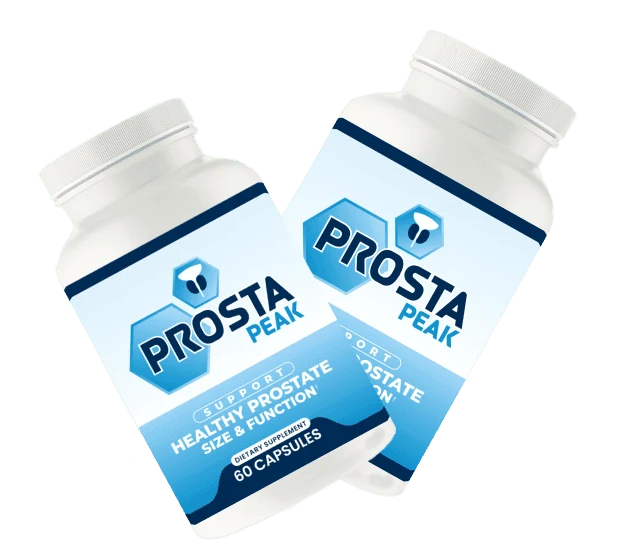
Neither a total blend weight nor individual milligram amounts was established from the inspected seller material. Consequently, dividing an assumed blend by six or by 20 would create a false numerical result. The 60-capsule front label supplies a container count, not a serving size or daily botanical dose.
A valid blend calculation starts with a disclosed total in milligrams per serving and a confirmed number of constituents. Even then, the arithmetic average would not show that every ingredient occurs at that average. Ingredient order, extract strength and serving frequency would still matter. None should be supplied from an unrelated prostate formula.
- A container count answers how many capsules are pictured or declared.
- A serving size answers how many capsules the directions define as one serving.
- An amount per serving answers how much of an ingredient is supplied.
- An extract specification answers what preparation that amount represents.
The seller’s three descriptions—20+ ingredients, six highlights and a four-plant blend—may refer to different marketing groupings. They do not establish a complete formula or prove a deliberate contradiction. Until the panel resolves them, preserve the distinctions rather than selecting whichever count makes a cleaner headline. Official product information [1]
What the human dose evidence actually says
Saw-palmetto studies provide numerical trial doses, but they do not establish an effective daily target for Prosta Peak. Bent et al. studied 320 mg/day in 225 men without a significant advantage over placebo. A dose comparison must preserve that negative outcome rather than relabeling the amount as clinically effective.
| Research | Participants and duration | Studied preparation | What can transfer |
|---|---|---|---|
| Bent et al. (2006) PMID: 16467543 [2] | 225 men were followed for one year. | Saw palmetto extract was given at 160 mg twice daily. | The tested extract did not outperform placebo, and the product match is unestablished. |
| Barry et al. (2011) PMID: 21954478 [3] | 369 men were studied over 72 weeks. | Saw palmetto increased from 320 to 640 to 960 mg/day. | Dose escalation did not establish superiority or a reason to increase this product’s dose. |
| Ishani et al. (2000) PMID: 11099686 [4] | 18 pygeum trials included 1,562 men, with mean follow-up of 64 days. | Preparations varied across short-term trials. | Some ingredient findings were favorable, but long-term and formula-transfer conclusions are limited. |
These studies involved men with urinary symptoms attributed to benign prostatic enlargement, not an unrestricted population seeking general wellness. Their findings concern defined outcomes, preparations and follow-up. They cannot validate a six-botanical combination whose individual doses and extraction methods are not established.
An exact milligram match would still be only one part of the comparison. Species, plant part, extraction solvent, marker-compound standardization and co-ingredients can differ. Conversely, a different number alone does not prove inferiority. The effectiveness analysis owns the broader question of whether the finished formula has clinical support.
Excipients, allergens and the limits of artwork
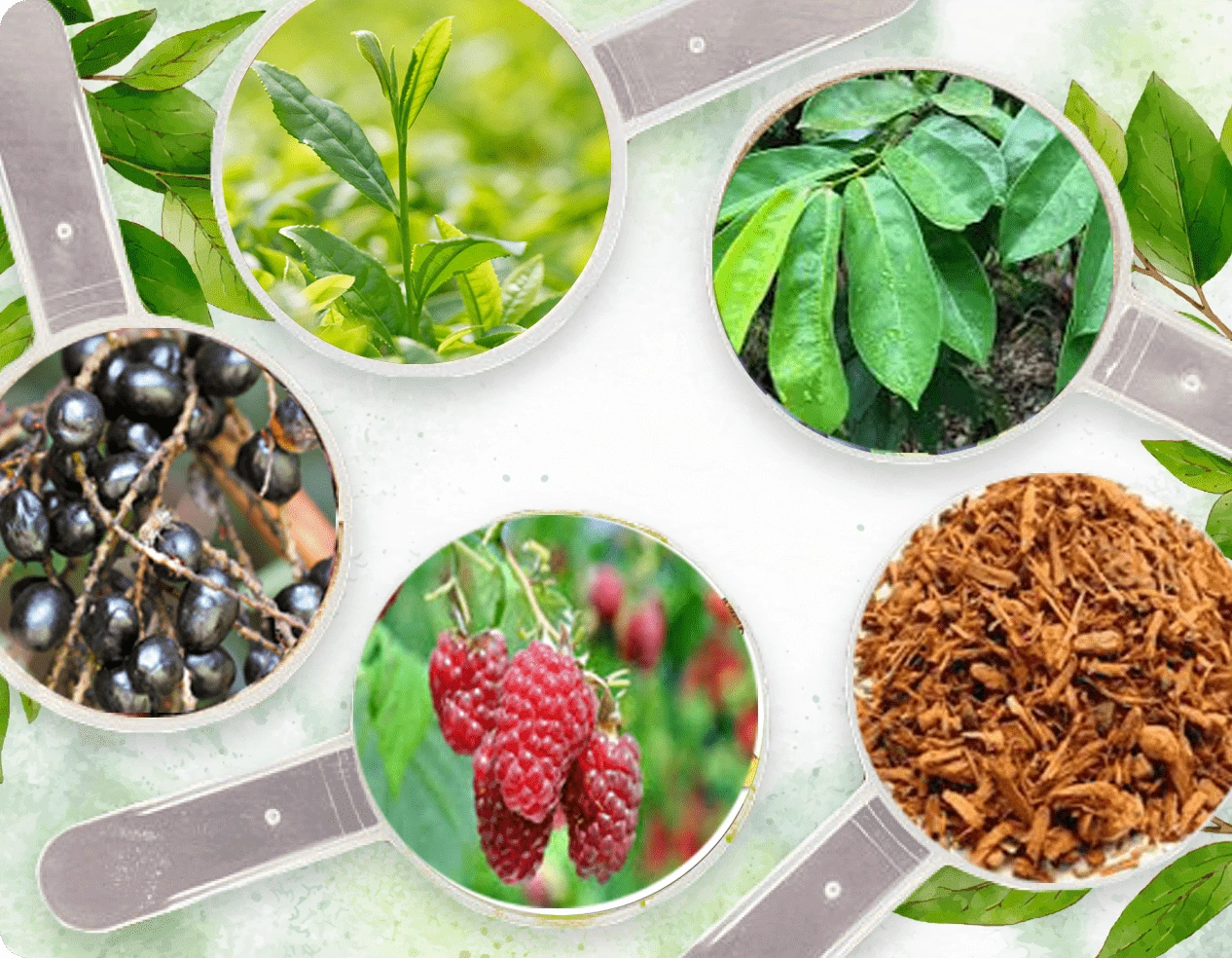
The inspected front artwork identifies a dietary supplement containing 60 capsules, but it is not a complete back-panel label. A complete inactive-ingredient list, capsule-shell material and allergen declaration were not established. The botanical collage is promotional artwork and cannot safely substitute for those missing label details.
For a reader with an allergy, the missing excipient list is a practical limitation rather than a cosmetic one. Ask for clear photographs of every current label panel, including the “other ingredients” section and warnings. Do not assume that a white capsule bottle contains gelatin, cellulose or a particular filler without a source.
- Check the label version and exact product name against the bottle being sold.
- Request the amount per serving and serving frequency together.
- Look for plant parts, extract specifications and caffeine information where relevant.
- Ask support to clarify allergen and manufacturing cross-contact statements if needed.
Seller manufacturing or facility claims do not answer whether a particular batch has independent identity, purity or potency verification. No independent batch certificate or USP/NSF product verification was established in the inspected material. A genuine certificate would need an identifiable laboratory, tested product, batch reference and actual results, not merely a decorative seal. FDA: what the agency does and does not approve [5]
Questions to bring to a pharmacist or clinician
The next useful step is a complete label review, not a guessed regimen. Six botanical highlights are enough to prompt focused questions, especially about concentrated green tea and cat’s claw, but not enough to clear the whole formula. Bring every prescription, over-the-counter medicine and supplement to the discussion.
NCCIH distinguishes green tea beverages from extracts, describes uncommon liver injury with extracts and identifies medication interactions. Cat’s claw also raises potential interaction concerns. The dedicated safety page addresses those issues without assuming that an undisclosed amount is harmless or necessarily dangerous. NCCIH: Green Tea [6] NCCIH: Herb-Drug Interactions [7]
- Is the advertised formula the same as the current label and the product being supplied?
- Do any ingredients overlap with other supplements I already take?
- Are the botanical identities and amounts adequate for an interaction assessment?
- Does my urinary symptom pattern need diagnosis before I consider a supplement?
A useful support response should provide the panel itself rather than another promotional paragraph. If the answer supplies only the six highlights, the key dose and excipient questions remain open. Keep the response and panel together so a clinician can assess the actual information rather than a remembered ingredient name.
Ingredient questions answered
Ingredient transparency has several separate parts: identity, quantity, preparation and the complete inactive list. A 60-capsule count or a six-item promotional list cannot resolve them all. The following answers focus on reading those disclosures correctly, without replacing an authentic label with assumptions drawn from other products.
Is a proprietary blend always ineffective?
Can I calculate milligrams from the number of capsules?
Does the botanical collage prove all six ingredients are present?
Should “Soursoup” be treated as a verified botanical species?
Would matching 320 mg of saw palmetto prove benefit?
Sources and references
- Official product information
- Bent et al. (2006). Saw palmetto for benign prostatic hyperplasia. N Engl J Med. 354:557–566.
- Barry et al. (2011). Effect of increasing doses of saw palmetto extract on lower urinary tract symptoms. JAMA. 306:1344–1351.
- Ishani et al. (2000). Pygeum africanum for the treatment of patients with benign prostatic hyperplasia: a systematic review and quantitative meta-analysis. Am J Med. 109:654–664.
- FDA: what the agency does and does not approve
- NCCIH: Green Tea
- NCCIH: Herb-Drug Interactions