
Prosta Peak Side Effects: 6 Botanicals & Safety Gaps
This site uses affiliate links. Read the disclosure. Health education, not individualized medical advice.
Prosta Peak is a multi-botanical capsule supplement marketed for prostate support. This safety page complements the main Prosta Peak review by focusing on tolerability, medication questions and situations requiring clinical care. Six seller highlights provide starting points for screening, but incomplete dose and excipient information prevents a complete product-specific risk assessment before use.
| Safety question | Relevant disclosure | Evidence boundary | Practical next step |
|---|---|---|---|
| Green tea extract and liver injury | The seller names green tea without an established extract amount. | Extract-associated liver injury is an ingredient-level concern, not a demonstrated product event. | Review liver history and the complete panel with a clinician. |
| Caffeine and tolerability | A caffeine amount or decaffeination specification was not established. | The botanical name does not quantify stimulant exposure. | Ask for the current caffeine specification. |
| Cat’s claw and medicines | Cat’s claw is highlighted without an established daily amount. | Several interaction concerns are potential rather than product-specific observations. | Have a pharmacist check the entire medication list. |
| Allergens and excipients | A complete inactive list and capsule-shell identity were not established. | Absence of a disclosed allergen is not proof of absence. | Obtain the current label before allergy screening. |
| Urinary red flags | A supplement is not an emergency-care substitute. | Symptoms can require diagnosis independent of any supplement. | Seek urgent care for inability to urinate. |
Short-term tolerability: what can be said responsibly?
There is no defensible percentage estimate for Prosta Peak side effects from the inspected product evidence. Green tea extracts can cause gastrointestinal discomfort and other adverse effects, but an ingredient report is not a product event rate. Missing amounts also prevent a reliable estimate of total daily exposure from the marketed capsule.
NCCIH lists nausea, constipation, abdominal discomfort and increased blood pressure among adverse effects reported with green tea extracts. A capsule containing a concentrated extract should not automatically be treated like a cup of brewed tea. The amount, preparation and other ingredients matter, and none should be reconstructed from a decorative leaf image. NCCIH: Green Tea [1]
A user’s symptoms can also reflect another medicine, illness or change in diet. That uncertainty does not justify continuing a product through a serious reaction, but it does mean a review should avoid assigning causation without evidence. Save the packaging, current label and lot information if a clinician needs to investigate a suspected event.
- Do not add overlapping botanical products to compensate for an unknown amount.
- Read the current warnings before the first use.
- Do not treat “natural” or “non-habit forming” wording as a universal safety guarantee.
- Discuss unexpected or persistent symptoms with a qualified clinician.
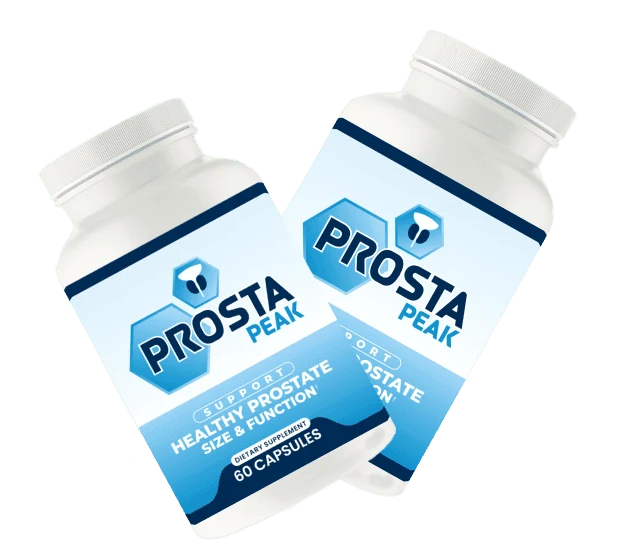
The ingredient transparency page explains why the front artwork’s 60-capsule statement cannot establish either the serving size or the actual daily botanical quantities. Those missing details are important for tolerability as well as efficacy.
Green tea, caffeine and the liver screen
Concentrated green tea extract has been implicated in uncommon liver injury, while its caffeine content can vary across preparations. Prosta Peak’s daily extract amount, EGCG standardization and caffeine exposure were not established. This creates a screening question, not evidence that the product has caused liver damage or contains a dangerous stimulant dose.
LiverTox describes reported acute liver injury associated with green tea extracts and notes substantial variation among marketed preparations. Ordinary tea drinking and concentrated capsules should not be treated as identical exposures. The reviewed source does not provide a Prosta Peak-specific incidence estimate or a threshold that clears this undisclosed formula. LiverTox: Green Tea [2]
NCCIH also describes green tea extract interactions and increased blood pressure among reported adverse effects. No stimulant-free claim can be verified merely because caffeine is not listed among the six highlights. Similarly, the highlighted list does not establish that the complete formula contains or excludes a stimulant or laxative ingredient. NCCIH: Green Tea [1]
- Ask whether the extract is decaffeinated and how much caffeine the daily serving contains.
- Ask for extract identity and catechin or EGCG specifications if green tea extract is used.
- Discuss existing liver disease, prior supplement-related injury or relevant medicines before use.
- Stop the suspected supplement and obtain prompt medical advice for signs of a serious reaction.
A liver-injury concern deserves particular attention if jaundice or otherwise concerning symptoms develop. Do not retry a suspected product simply to check whether the reaction happens again. Clinical assessment should determine the cause and the appropriate response rather than a review offering a self-directed rechallenge.
Medication interactions: distinguish potential from proven
Cat’s claw raises potential interaction concerns with anticoagulants, antiplatelets, blood-pressure medicines and immunosuppressants. Green tea also has documented interactions with selected medicines. These are reasons for an individual medication review, not grounds to claim that every combination is harmful or that no interaction exists below an undisclosed dose.
| Ingredient | Medicines or circumstances | Source-level concern | What this review cannot decide |
|---|---|---|---|
| Cat’s claw | Anticoagulants and antiplatelets require review. | NCCIH describes potential bleeding-related interactions. | It cannot quantify the risk of this formula for a specific patient. |
| Cat’s claw | Blood-pressure drugs and immunosuppressants require review. | Potential pharmacologic and metabolism-related interactions are discussed. | It cannot advise stopping or adjusting prescribed medicines. |
| Green tea | Nadolol, atorvastatin and raloxifene are examples. | NCCIH identifies interactions that can affect drug exposure or effect. | It cannot infer equivalence from the unspecified extract amount. |
| Complete combination | All prescriptions, OTC medicines and supplements matter. | Unlisted ingredients could change the screening result. | A six-item highlight list cannot clear the whole formula. |
NCCIH’s interaction guidance distinguishes the evidence underlying different concerns, including theoretical or limited data. A potential interaction is not the same as a controlled study showing that Prosta Peak causes it. A pharmacist can review the complete list, dose, timing and clinical circumstances more usefully than a blanket “safe with medicines” claim. NCCIH: Herb-Drug Interactions [3] NCCIH: Green Tea [1]
Do not stop a prescribed prostate, heart, blood-pressure or immune medicine to make room for a supplement. Do not assume that taking the capsule several hours apart solves an interaction. The appropriate response depends on the mechanism and the treatment involved, which this product-level review cannot determine.
Who should defer use pending professional review?
People with unexplained urinary symptoms, substantial medication complexity, relevant liver history or unresolved allergy questions should not treat this formula as cleared for use. Its 60-capsule artwork does not resolve those concerns. An impending procedure or immunosuppressive treatment also warrants a discussion of the cat’s claw highlight before any self-directed trial.
NCCIH notes concerns around cat’s claw in autoimmune conditions and potential bleeding or medication interactions. Do not turn that guidance into a universal diagnosis-based prohibition without a clinician’s assessment. The practical decision is to obtain individualized advice with the full panel rather than treating the product as inherently safe because it is botanical. NCCIH: Herb-Drug Interactions [3]
Pregnancy and pediatric use are not the intended context of this prostate-support review, and no safety claim for those groups is made. The exact current label and manufacturer warnings should govern any discussion of use. A product promoted to adults does not thereby have established safety for every adult.
- Bring the actual label rather than a remembered ingredient list.
- Mention all supplements, including products used intermittently.
- Describe the urinary symptoms and when they started.
- Ask what signs should prompt reassessment or urgent care.
Safety questions answered
Safety decisions depend on the actual formula and the person using it. Six botanical names cannot establish every contraindication or interaction, and a lack of published product events cannot establish a zero-risk rate. These answers help frame a clinical discussion without prescribing a regimen or attributing unverified injuries to the seller.