
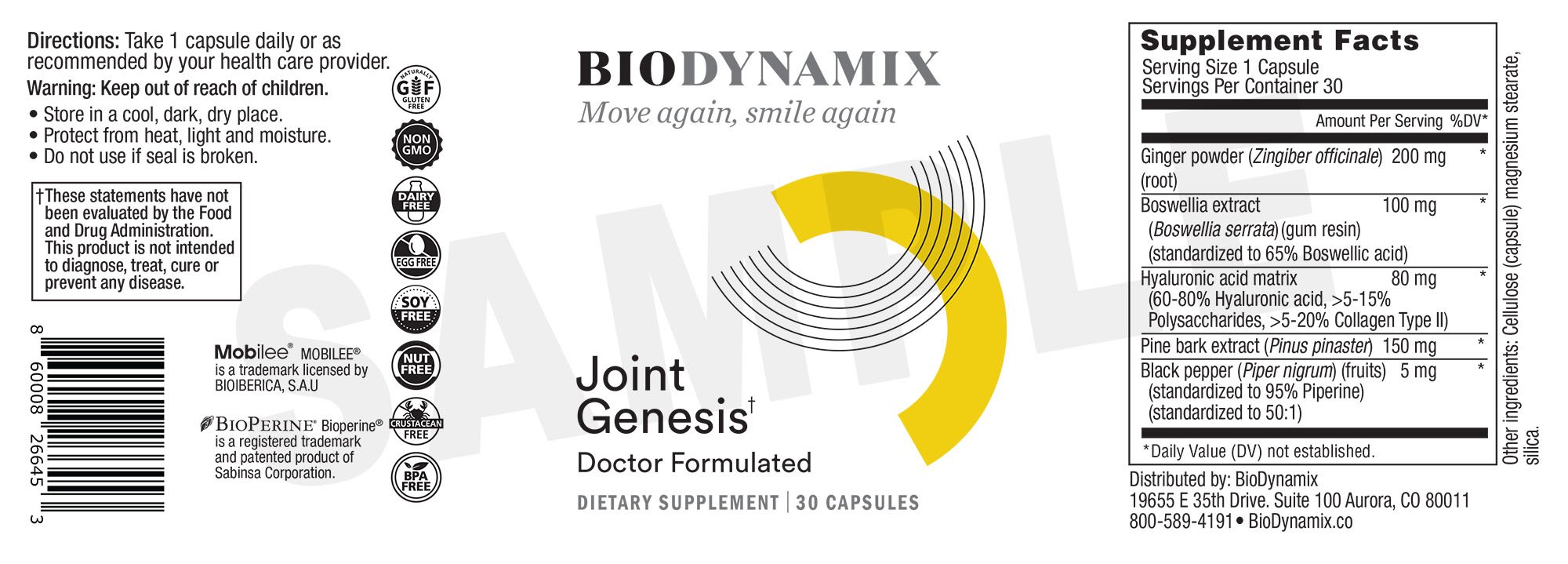
Joint Genesis ingredients are individually quantified on the inspected Supplement Facts panel. The useful question is not simply whether the bottle contains familiar joint-support ingredients. It is whether the amounts, source materials and extract specifications can be meaningfully compared with the preparations studied in people.
This analysis explains the label's transparency and remaining gaps. For the overall decision, use the Joint Genesis review of evidence, suitability and value.
Affiliate disclosure: FitnessLifeMag may earn a commission through marked purchase links, at no additional cost to you. Our evidence standards and conclusions remain independent.
Joint Genesis ingredients: what the panel discloses
The seller-published panel shows one capsule per serving and 30 servings per bottle. Five main ingredient amounts are given. This differs from a label that provides only a single total for an entire undisclosed blend.
| Ingredient | Label exposure | Additional specification | What still needs checking |
|---|---|---|---|
| Ginger root powder | 200 mg | Zingiber officinale root | Powder is not automatically a concentrated extract |
| Boswellia gum-resin extract | 100 mg | 65% boswellic acid | Individual acid profile and trial-extract equivalence |
| Hyaluronic-acid matrix | 80 mg | 60–80% HA, with other components listed | Actual composition within the range and source identity |
| Pine bark extract | 150 mg | Pinus pinaster | Brand and standardization beyond botanical name |
| Black pepper ingredient | 5 mg | Piper nigrum; 95% piperine, 50:1 | Exact extract specification and medication suitability |
Cellulose capsule, magnesium stearate and silica appear in the other-ingredients entry. These names do not establish batch purity. We transcribed a seller-provided image, not a laboratory certificate or a bottle purchased for this review.
The full-resolution Supplement Facts image is more useful than a tiny thumbnail when checking amounts and directions.
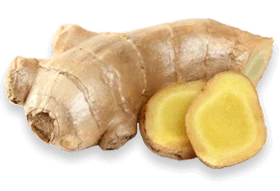
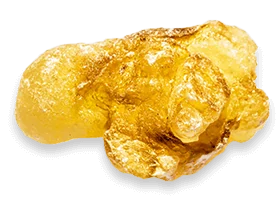
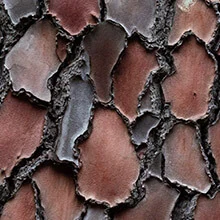
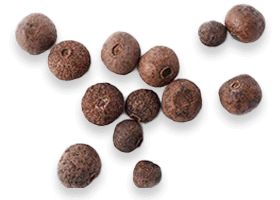

Ingredient visuals identify components. They do not establish the capsule’s quantities, source purity or effectiveness.
How much hyaluronic acid does the matrix imply?
The 80 mg entry describes a matrix rather than 80 mg pure hyaluronic acid. Multiplying the disclosed matrix amount by the HA percentage gives a label-implied range:
80 mg × 60–80% = 48–64 mg HA.
That is a transparent arithmetic estimate, not a batch measurement. It does not tell us where within the range a particular bottle falls, how the remaining matrix components are distributed, or how much reaches a joint.
Two errors to avoid are treating the whole matrix as pure HA and comparing matrix weight with pure-ingredient weight as though they were equivalent. Conversely, a study of a similar 80 mg matrix may be more relevant than a study using 80 mg of a different isolated preparation. Matching the preparation is essential; the number alone cannot settle the question.
What extract standardization can and cannot establish
Standardization tells you something about a defined component in an extract. It does not make different extracts interchangeable.
The Boswellia entry provides a percentage for boswellic acid. It does not specify the full acid profile or prove equivalence to a proprietary preparation used in a trial. Pine bark's botanical species identifies the plant, but it does not establish that the capsule contains a particular branded research extract. Ginger root powder likewise cannot inherit the concentration or extraction method of a studied ginger extract.
For a useful comparison, record four things side by side: product form, daily exposure, study preparation and measured outcome. Mark a match only when the source supports it. “Same plant” is a partial match, not a finished comparison.
Why ingredient research remains limited for this formula
Ginger: powder and extract are different inputs
The bottle's 200 mg root-powder entry does not disclose a concentration of gingerols or establish equivalence to an extracted study preparation. Increasing a powder serving would not solve that comparison and is not advised here. A 2020 systematic review found the knee-osteoarthritis evidence heterogeneous and methodologically weak, with insufficient support for the oral comparison assessed. Primary review.
Pine bark: species does not establish a research brand
The 150 mg amount permits a numerical comparison, but the botanical name does not identify every extract characteristic. The Cochrane review found very-low-certainty evidence and could not draw definitive efficacy or safety conclusions. A familiar dose alone cannot remove that uncertainty. Cochrane.
Black pepper: specify exposure before discussing absorption
At the label's 95% specification, 5 mg corresponds arithmetically to approximately 4.75 mg piperine; this is not a batch assay. A human interaction study used 20 mg piperine, so it cannot predict the same drug-exposure effect for this capsule. The practical consequence is medication review, not a promise that all ingredients work better. Human study.
Boswellia: total acid is not a complete extract fingerprint
The 100 mg and 65% specification implies roughly 65 mg total boswellic-acid material by label arithmetic. It does not identify individual acids or reproduce the specification of every enriched extract. Do not relabel this as a verified AKBA dose. The calculation can clarify the label, but it cannot determine absorption or clinical effectiveness.
Different ingredient findings have different strength. NCCIH notes that Boswellia research is generally small and low quality, so a plausible ingredient choice does not establish reliable benefits for this capsule. NCCIH: Boswellia.
A small Mobilee study used a yogurt delivery format and evaluated muscle function. Its preparation and outcome should be considered before extrapolating to a multi-ingredient capsule or cartilage-repair claim. Primary research report.
This page's main contribution is label-to-research comparability, not a declaration that the product works. The effectiveness analysis examines endpoints and finished-product evidence separately. Keeping those tasks distinct prevents a long ingredient list from becoming an implied efficacy verdict.
A preparation-matching worksheet
Use this worksheet before copying a trial result into a product conclusion. A matching quantity is only one part of the comparison.
| Label component | Comparison that is justified | Comparison still unverified |
|---|---|---|
| 80 mg HA matrix | Matrix weight against a defined matrix intervention | Identical supplier material and batch composition |
| 200 mg ginger powder | Powder exposure against a powder study | Equivalence to an unspecified concentrated extract |
| 100 mg Boswellia extract | Total extract amount and stated acid percentage | Same individual-acid profile and preparation as a proprietary trial |
| 150 mg pine bark | Species and total weight | Same standardization, brand and impurity profile |
| 5 mg black pepper ingredient | Label-implied piperine estimate | Same medicine-exposure effect as 20 mg isolated piperine |
Write “not established” where a specification is missing. Neither increasing the serving nor adding another product can make an unverified preparation match valid. Your delivered label and an identifiable supplier specification are more useful than a familiar ingredient photograph.
Animal-origin, allergy and vegan questions
Seller marketing describes the formula as vegan-friendly. Bioiberica’s current supplier page identifies Mobilee as rooster-comb-derived; this is supplier identity information, not independent benefit evidence. Bioiberica ingredient specification. The matrix also lists collagen type II. These observations create a source question; they do not identify the origin or allergen status of the batch a customer will receive.
If animal origin or a serious allergy matters to your choice, ask the seller for the current ingredient-source specification, the basis of the vegan claim and applicable allergen testing. An egg-free symbol does not answer every question about poultry-derived source materials. Do not treat an unclear marketing badge as sufficient clearance for a severe allergy.
The animal-source issue is grounded in the ingredient research, not a claim that FitnessLifeMag tested the finished batch. Primary Mobilee report. The supplier description was checked remotely; the origin of the delivered finished batch was not independently authenticated.
What to request when a label is not enough
| Your question | Useful evidence to request | What a vague answer does not establish |
|---|---|---|
| Is this the current formula? | Current label version tied to the offered product | That an older image matches every bottle |
| Is the ingredient the studied preparation? | Supplier identity and extract specification | That plant names alone show equivalence |
| What is the matrix made from? | Source-material and component specification | Vegan suitability from a generic badge |
| Has this batch been tested? | Relevant lot-specific test documentation | Purity from a broad “tested” statement |
| Is it suitable with my medicine? | Pharmacist review of the exact label | Compatibility from an absorption claim |
These requests distinguish missing evidence from negative evidence. A missing document should be recorded as unverified; it should not automatically become an accusation of contamination, false labeling or fraud.
Ingredient questions
Does Joint Genesis contain turmeric or vitamin C?
Neither appears among the five main ingredients on the panel we inspected. Do not import an ingredient list from another page using the product name. Always compare with the current physical label.
Is the complete formula an undisclosed proprietary blend?
The inspected label gives individual amounts for the five listed main ingredients. There is still uncertainty inside the mixed HA matrix and some extract specifications, but that is different from having no ingredient quantities at all.
Does the label prove the dose is clinically effective?
No. A label permits exposure comparison. Clinical effectiveness also depends on preparation, population, outcome and the finished formula's evidence.
Do ingredient pictures verify ingredient amounts?
No. Our gallery visually identifies components and includes a seller illustration for the HA matrix. It is not a microscopy image, batch assay or clinical result.
Method and next decision
We read the seller-published Supplement Facts image and compared disclosed specifications with selected primary research and authoritative ingredient guidance. We did not purchase or chemically analyze capsules. No independent clinical reviewer participated.
The label is more transparent than a single unexplained blend total. The remaining task is to confirm source and extract identity, then evaluate evidence and suitability without confusing those questions.
Next question: use the safety checklist for medicines and source concerns before deciding whether this exposure fits your circumstances.
Read Editorial Methodology, Sources Policy and Affiliate Disclosure. Corrections: Contact Us.
Educational information only: Joint Genesis is a dietary supplement. This analysis is not medical diagnosis, treatment or individual advice.
Affiliate disclaimer: FitnessLifeMag may earn a commission through marked purchase links. This page's scientific references are evidence sources, not purchase recommendations.