
Pineal Guardian X Ingredients: Nine Botanical Highlights
Disclosure: We may earn a commission from purchases through our links, at no extra cost to you.
Official Website Offer: Save on 3 & 6-Bottle Bundles + 365-Day Money-Back Guarantee.
| Sales highlight | Category | Amount verified here | Interpretation | Panel question |
|---|---|---|---|---|
| Yamabushitake | Mushroom | Not established from inspected sales text | Commonly called lion’s mane. | Which species, part and preparation? |
| Bacopa monnieri | Botanical | Not established from inspected sales text | Standardized extracts differ from raw material. | What extract and bacoside specification? |
| Ginkgo biloba | Botanical | Not established from inspected sales text | Leaf preparations require medicine review. | What extract and amount per serving? |
| Tamarind | Botanical extract | Not established from inspected sales text | Dietary fruit research is not equivalent to an extract. | What plant part and concentration? |
| Spirulina and chlorella | Algal highlights | Not established from inspected sales text | Identity and quality documentation matter. | What species and contaminant testing? |
| Moringa, pine bark and neem | Botanical highlights | Not established from inspected sales text | Plant part and extraction method affect interpretation. | What exact materials and quantities? |
| Carrier and other ingredients | Inactive ingredients | Not established from inspected sales text | Not established from inspected source text. | What solvents, preservatives and allergens are listed? |
Which ingredients have relevant human research?
Bacopa and Yamabushitake are the most directly relevant highlights in the inspected cognitive research. They should be evaluated by preparation rather than by matching the ingredient name alone. Calabrese et al. (2008) [1] used standardized bacopa for 12 weeks; Lopresti & Smith (2025) [2] used a different branded extract and found no primary cognitive advantage. That contrast is useful when comparing a bottle panel with study material.
Mori et al. (2009) [3] studied dried Yamabushitake tablets over 16 weeks in a small group with mild cognitive impairment. Its preparation and population differ from a general adult liquid supplement. A matching mushroom name is a starting point for comparison, not proof that the same result transfers.
Ginkgo has a wider but inconsistent research history. NCCIH [5] distinguishes possible symptom findings from negative prevention results. The remaining sales highlights contribute formulation interest, but their individual presence does not verify a memory benefit or a combined mechanism. See the effectiveness analysis for claim-by-claim conclusions.
What should be checked in the liquid base?
The inspected sales-page text highlights active ingredients without establishing the carrier, preservatives, sweeteners, solvents or complete allergen statement. This is a limit of the material reviewed, not proof that the manufacturer omits those details from every label. Use the current bottle panel to answer these practical questions before first use.
| Panel item | Why it matters |
|---|---|
| Measured serving | Connects directions to the quantity actually swallowed. |
| Other ingredients | Identifies ingredients relevant to allergies, dietary preferences or avoidance requirements. |
| Extract specification | Helps distinguish concentrated extracts from powders and unstandardized preparations. |
| Quality documentation | Clarifies exactly what a certificate tested and whether it applies to the product and lot. |
Do not calculate a blend average or declare an ingredient underdosed without a verified total and serving. Even a valid average cannot reveal the actual allocation among ingredients. The ingredient research library can provide background after the exact materials are identified.
Useful questions for your pharmacist or clinician
Bring the actual bottle panel and a list of medicines and supplements. Ask whether ginkgo fits your medication profile, whether neem or other botanical ingredients change monitoring needs, and whether a liquid carrier conflicts with your requirements. Those questions are more actionable than asking whether a nine-ingredient formula is simply “natural.”
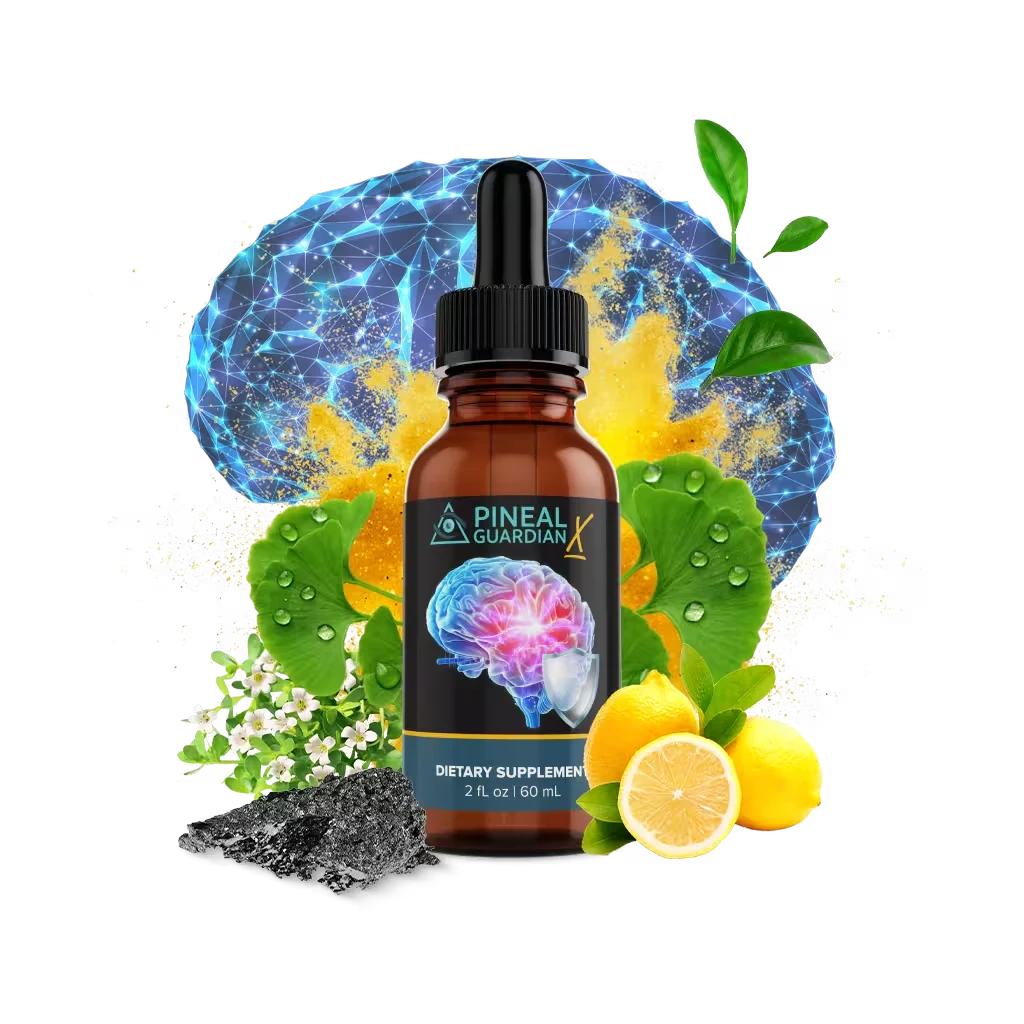
For a label request, ask support for the current X version, readable Supplement Facts, other ingredients and measured directions together. A front bottle picture confirms branding and container size, while the rear panel answers composition and use questions. Keep the two roles separate.
Ingredient takeaway
The current sales page offers a recognizable nine-highlight botanical/algal formula. Its strongest research connections concern selected ingredient preparations, so the useful next comparison is the actual panel against those preparations. Readers who prefer the liquid format can use the Pineal Guardian X to consider package choices alongside that ingredient review.