
Does Pineal Guardian X Work? Memory Research Explained
Disclosure: We may earn a commission from purchases through our links, at no extra cost to you.
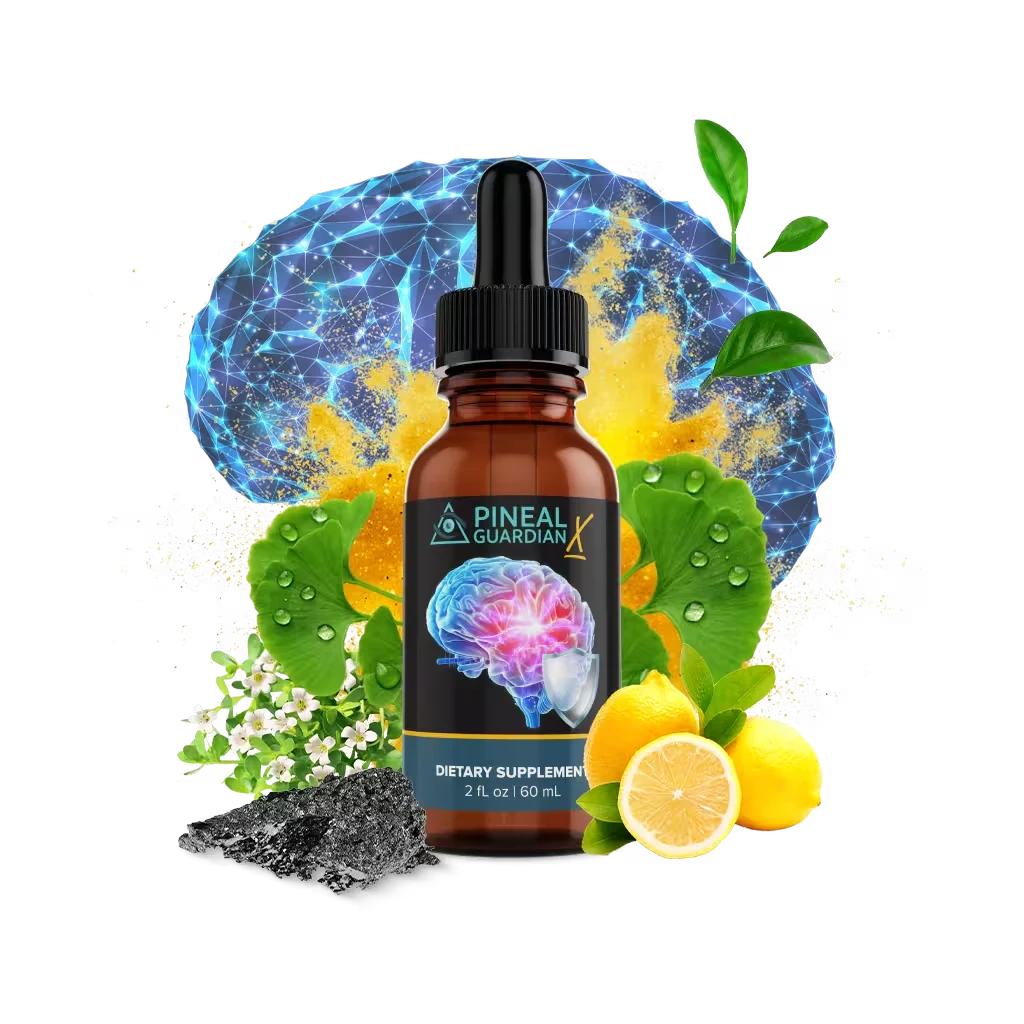
Official Website Offer: Save on 3 & 6-Bottle Bundles + 365-Day Money-Back Guarantee.
| Advertised benefit | Relevant inspected evidence | Applicability | Realistic interpretation |
|---|---|---|---|
| Memory and recall | Small ingredient trials, with both favorable and null findings. | Different preparations and populations. | A research rationale rather than a predictable finished-product outcome. |
| Focus and clarity | Newer bacopa trial did not improve primary attention/working-memory outcomes. | One branded extract, 12 weeks. | Do not promise immediate focus enhancement. |
| Pineal fluoride clearance | Tamarind dietary study measured urinary fluoride. | Children, dietary fruit, not pineal imaging. | Does not demonstrate pineal detox. |
| Natural melatonin restoration | No matching human X outcome established in inspected sources. | Mechanism remains a seller claim. | Do not promise restored hormone production. |
How does the proposed mechanism compare with the evidence?
The seller connects fluoride, the pineal gland and melatonin to memory. Testing that chain requires more than showing that an ingredient changes an excretion marker. Khandare et al. (2002) [4] used dietary tamarind and measured urine, not pineal deposits or cognitive recovery. It therefore cannot validate all steps of the advertised chain.
Likewise, antioxidant activity or a plausible biological pathway cannot by itself establish an everyday memory improvement. Useful evidence would identify the exact intervention, dose, participants and meaningful outcome. This keeps the botanical research relevant without turning a mechanism description into a treatment promise.
What do the human studies actually show?
| Study | Preparation / design | Finding | Limit for this product |
|---|---|---|---|
| Calabrese (2008) | 54 older adults randomized; standardized bacopa 300 mg/day for 12 weeks. | Selected recall and Stroop measures improved. Calabrese et al. (2008) [1] | A specific extract, not an X trial. |
| Lopresti & Smith (2025) | 101 randomized; 300 mg/day Bacumen for 12 weeks. | Primary cognition measures did not differ; some secondary stress/fatigue findings favored bacopa. Lopresti & Smith (2025) [2] | Results vary by measure and preparation. |
| Mori (2009) | 30 adults with MCI; dried mushroom tablets for 16 weeks. | Cognitive-scale improvements during intake; scores fell after stopping. Mori et al. (2009) [3] | Small population and a different preparation. |
This document-based review inspected the cited abstracts and NIH guidance. Exact-name web searches targeted PubMed-indexed material but did not identify a matching finished-product trial in the retrieved results; that search scope cannot establish that no trial exists. The useful distinction is between the ingredient findings above and outcomes demonstrated for this exact liquid.
Ginkgo evidence also needs its negative findings: NCCIH [5] reports that large studies did not show dementia prevention. An optional supplement should not be presented as preventing or reversing Alzheimer’s disease.
What timeline is reasonable to expect?
The cited cognitive ingredient trials ran for roughly 12–16 weeks, rather than demonstrating a reliable immediate response. Those durations describe research protocols, not instructions to take this product for a particular period or proof that an effect will appear by a deadline. Its label and your clinician’s advice govern use.
If trying a suitable product, define a practical goal before starting and note sleep, stress and other routine changes. Changes in self-rated clarity can have several explanations. Continuing, changing or stopping a supplement should take account of tolerability and professional advice, rather than relying on marketing milestones.
Why can individual experiences differ?
Baseline sleep, workload, medicines, health conditions and expectations can influence perceived mental clarity. The Brain & Memory Guide explains those broader contributors without assigning every memory complaint to one gland or nutrient. Persistent functional change deserves assessment regardless of a supplement experience.
Dose, extract composition and concurrent products also affect interpretation. Use the ingredient guide for panel questions and the safety guide for medicine-related precautions. A customer story cannot separate these influences as a controlled trial can.
Effectiveness takeaway
Bacopa and Yamabushitake provide relevant avenues of ingredient research, with mixed and preparation-specific outcomes. Pineal Guardian X is best approached as an optional botanical wellness purchase with realistic expectations, rather than a proven pineal-cleansing intervention. The Pineal Guardian X review connects that evidence to the actual product format and purchase terms.