
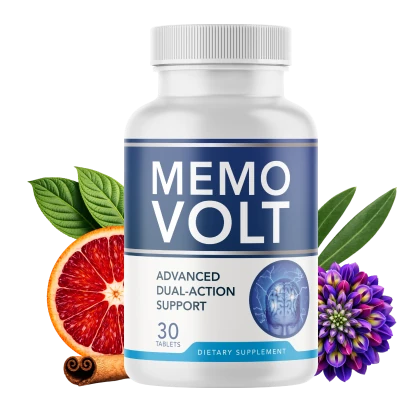
MemoVolt Ingredients: Topic Summary
MemoVolt ingredients combine marine compounds, botanical extracts and metabolic components. This page explains the ten seller-named ingredients, the difference between a marketing list and a complete panel, and what to check before comparing a study dose. For overall fit, pricing and our editorial assessment, read the MemoVolt review.
| Component | Status | Named source/form | Evidence context | Useful check |
|---|---|---|---|---|
| Saffron extract | Seller-named component | Crocus sativus L.; label specifies bulb | Small human cognition trials in diagnosed patient groups. Akhondzadeh (2010) [1] | A relevant research starting point; extract identity and serving amount matter. |
| Fucoxanthin | Seller-named component | Japanese sea kelp | Marine carotenoid; the seller emphasizes antioxidant and inflammation pathways. | Mechanism language is different from a demonstrated memory benefit. |
| Fucoidan | Seller-named component | Japanese sea kelp | Marine polysaccharide; seller positioning concerns neural support. | Check the exact extract specification rather than treating all seaweed extracts alike. |
| Oleuropein | Seller-named component | Olive leaf extract | Seller-described antioxidant component. | Olive-leaf composition is relevant; Mediterranean diet outcomes are not tablet outcomes. |
| Berberine HCl | Seller-named component | Plant alkaloid | Metabolic research and clinically relevant interactions. NCCIH [4] | Medication compatibility is a practical priority, especially with glucose treatment. |
| Ceylon cinnamon bark | Seller-named component | Cinnamomum verum | Seller positions it for metabolic support. | Species, preparation and quantity determine whether a study is comparable. |
| Corosolic acid | Seller-named component | Banaba leaf | Seller describes a glucose-transport rationale. | A pathway explanation does not show that everyday recall improves. |
| Kudzu flower extract | Seller-named component | Flower, as named by seller | Seller describes an isoflavone/metabolic role. | Flower and root preparations must not be treated as interchangeable. |
| Orange component | Seller-named component | Label: Citrus sinensis; presentation: Morosil | A standardized Moro extract has human weight-management research. Briskey (2022) [3] | Body-composition outcomes do not establish cognitive improvement. |
| Xylitol | Seller-named component | Sugar alcohol | Included among the ten named components. | Its presence alone does not establish an effective brain-energy dose. |
Active Ingredients: Form Matters as Much as Name
Saffron is the most direct cognition-research lead among the sources checked; the marine and metabolic groups need their own preparation-specific evidence.
Saffron research commonly uses a defined extract. The inspected label specifies Crocus sativus L. bulb extract. That matters because a study of another saffron preparation does not establish the same botanical part or composition. Individual quantities and standardization are unspecified in the 458 mg blend. Akhondzadeh et al. (2010) [1]
Fucoxanthin and fucoidan share a sea-kelp source description but are different substances: a carotenoid and a polysaccharide. Counting them as separate components does not establish their quantities. Likewise, kudzu flower should not be silently substituted for kudzu root or an isolated puerarin preparation when reading research.
Is Morosil the same as any orange extract?
Morosil is a branded standardized Moro blood-orange extract. Briskey et al. (2022) [3] used a specified preparation in a weight-management trial. The sales presentation names Morosil, while the label prints Citrus sinensis without confirming the trademark or amount. The printed generic name should not automatically inherit every branded-extract finding.
How should I read the full Supplement Facts?
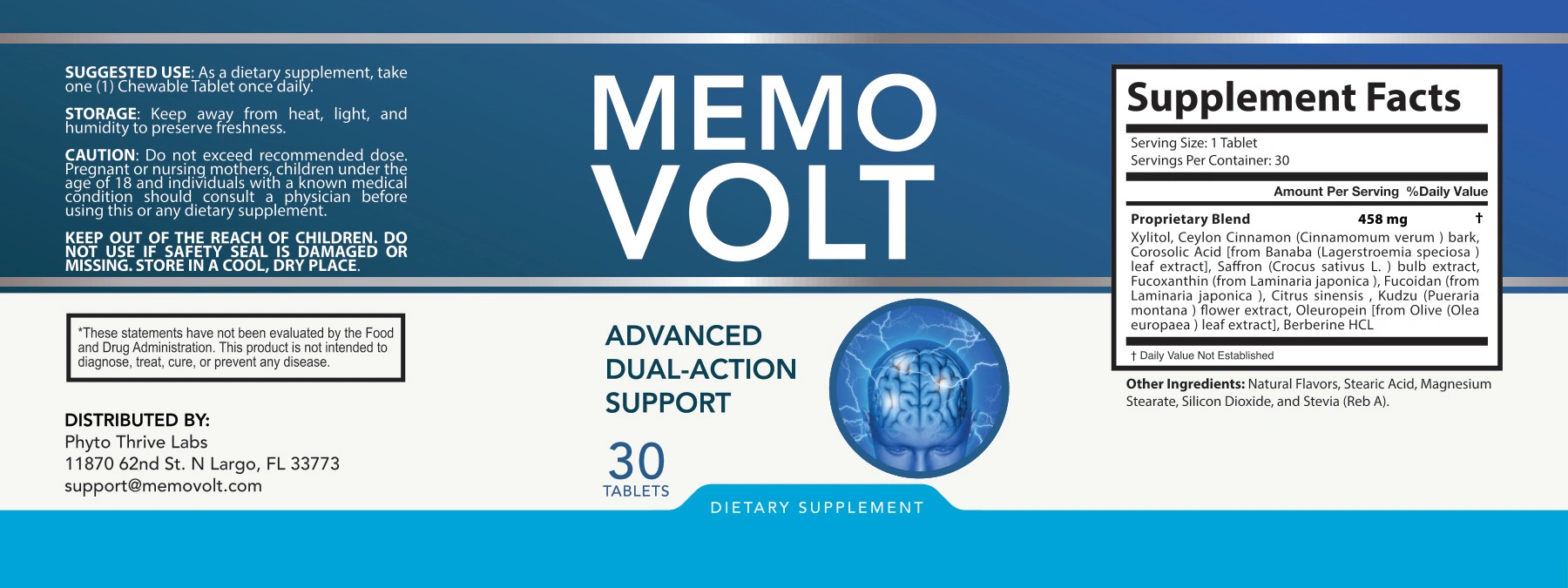
The seller’s contact page hosts a readable label with a 458 mg proprietary blend. The table below transcribes that artwork; it is not an assay of a purchased bottle. No SAMPLE marking was visible. Compare the received container for any revision.
Complete Supplement Facts & Label Transcription
| Printed field | Label transcription |
|---|---|
| Serving Size | 1 Tablet |
| Servings Per Container | 30 |
| Proprietary Blend | 458 mg; † Daily Value Not Established |
| Blend ingredients, printed order | Xylitol, Ceylon Cinnamon (Cinnamomum verum) bark, Corosolic Acid [from Banaba (Lagerstroemia speciosa) leaf extract], Saffron (Crocus sativus L.) bulb extract, Fucoxanthin (from Laminaria japonica), Fucoidan (from Laminaria japonica), Citrus sinensis, Kudzu (Pueraria montana) flower extract, Oleuropein [from Olive (Olea europaea) leaf extract], Berberine HCL |
| Other Ingredients | Natural Flavors, Stearic Acid, Magnesium Stearate, Silicon Dioxide, and Stevia (Reb A). |
| Suggested Use | As a dietary supplement, take one (1) Chewable Tablet once daily. |
| Storage | Keep away from heat, light, and humidity to preserve freshness. Store in a cool, dry place. |
| Caution | Do not exceed recommended dose. Pregnant or nursing mothers, children under the age of 18 and individuals with a known medical condition should consult a physician before using this or any dietary supplement. Keep out of reach of children. Do not use if safety seal is damaged or missing. |
| Distributed by | Phyto Thrive Labs, 11870 62nd St. N, Largo, FL 33773; support@memovolt.com |
The general label consultation wording is supplemented here by the more specific berberine pregnancy/breastfeeding precaution from NCCIH. This image does not independently establish batch testing or organic certification.
| Panel field | What to establish from the current container |
|---|---|
| Serving size / servings | The actual tablet or capsule unit, administration directions and servings per container. |
| Active amounts | Each declared quantity or complete blend total, in the printed units. |
| Extract details | Plant part, standardized constituents and any proprietary ingredient identity. |
| Other ingredients | Complete excipients, coating, flavoring, sweetener and capsule-shell details, if relevant. |
Excipients, Dietary Attributes & Allergen Checks
Seller-described non-GMO and stimulant-free attributes are useful starting points; strict dietary exclusions need the complete current label.
Xylitol is first in the label’s proprietary-blend list. Other ingredients are natural flavors, stearic acid, magnesium stearate, silicon dioxide and stevia (Reb A). The label identifies a chewable tablet; these ingredients help explain why a full formulation check matters beyond the botanical highlights.
For gluten, soy, dairy or vegan requirements, seek product-specific confirmation covering the whole formulation and manufacturing context. Sea-kelp origin alone does not establish iodine content or shellfish-allergen status. Do not infer either a thyroid risk or an allergen-free certification from a botanical illustration.
For background on reading botanical forms, visit the ingredient research library.
Questions to Bring to a Pharmacist
Take the full label and your medicine list together so the review concerns the actual combination.
- Does berberine fit my current glucose-lowering or other prescription treatment?
- Do the disclosed extracts, quantities and excipients fit my allergies and health history?
- Does my goal call for nutritional support or assessment of a new memory symptom?
The MemoVolt safety analysis explains the relevant precautions; the effectiveness page compares ingredient findings with the claims.
Our Topic Conclusion
The named formula offers a useful starting point for botanical comparison. The most useful next step is matching the full current label to your goals and medicines, especially where extract identity matters. Read the pillar’s pricing and overall assessment before choosing a package.
We may earn a commission if you purchase through the offer links.
View MemoVolt Package OptionsTopic Questions
Does MemoVolt list ten ingredients?
Yes. The seller-hosted label lists ten components within a 458 mg proprietary blend, alongside the other ingredients. That total does not disclose each component’s quantity. The three presentation groups organize the marketing rationale rather than three separately quantified label blends.
Can I divide a blend total by ten?
No. Dividing a total would produce an arithmetic average, not the amount of each component. Ingredients can have very different proportions. This review does not infer quantities or clinical equivalence from a name count, marketing group or position in the presentation.
Does kelp origin establish iodine content?
No. Fucoxanthin and fucoidan are described as sea-kelp-derived, but the amount of iodine in a finished extract depends on the material and processing. Obtain the actual label or product-specific specification if iodine exposure is important for your medical or dietary needs.
Why distinguish kudzu flower from root?
A plant’s flower and root can contain different compounds and proportions. A study of root extract or isolated puerarin does not automatically test the seller-named flower extract. Compare the plant part, preparation and relevant outcome before applying that research to a buyer claim.
Do named ingredients prove a vegan formula?
No. Botanical actives do not establish the origin of coatings, processing aids or any shell material. If vegan status matters, request confirmation for the complete current product. The seller’s non-GMO description answers a different question from a vegan or allergen-free certification.
Explore the MemoVolt Review Series
Author, Method & References
References
- Akhondzadeh et al. (2010). Saffron: 16-week placebo-controlled trial in mild-to-moderate Alzheimer’s disease. PMID 20831681.
- Briskey et al. (2022). Moro blood-orange standardized extract: randomized weight-management trial. PMID 35276783.
- NCCIH. Berberine: evidence, gastrointestinal effects, interactions and pregnancy precautions.
Affiliate disclosure: FitnessLifeMag may earn a commission from purchases through the commercial links on this page, at no extra cost to you. Scientific and editorial links are separate.
Educational information, not personal medical advice. Dietary supplements are not intended to diagnose, treat, cure or prevent disease. Review symptoms and supplement decisions with a qualified healthcare professional.