
ProNail Complex Ingredients: 17 Items, One Listed Dose
Affiliate disclosure: FitnessLifeMag may earn a commission if you purchase through the offer links, at no extra cost to you. Disclosure policy.
Educational assessment; no hands-on test or independent medical review.
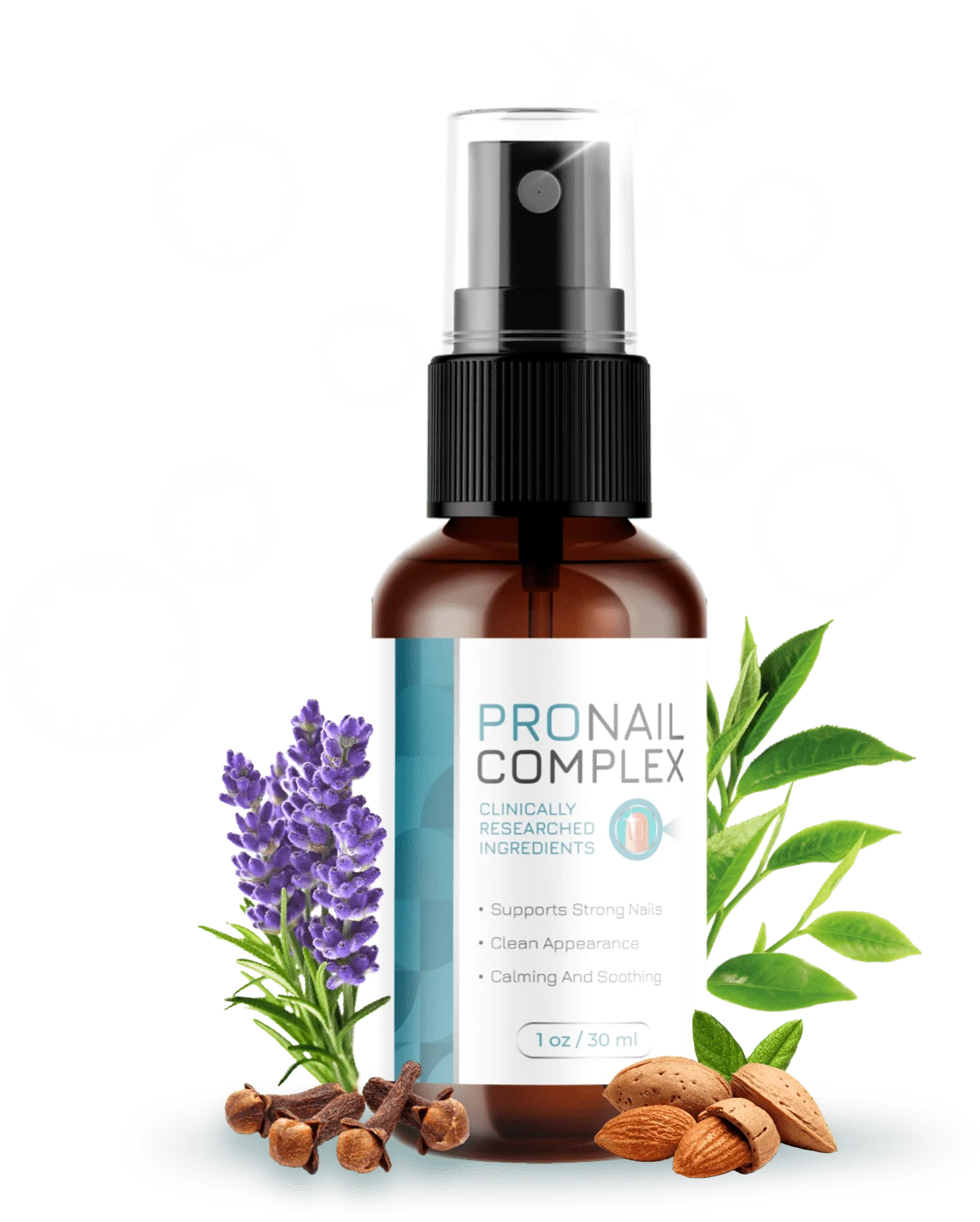
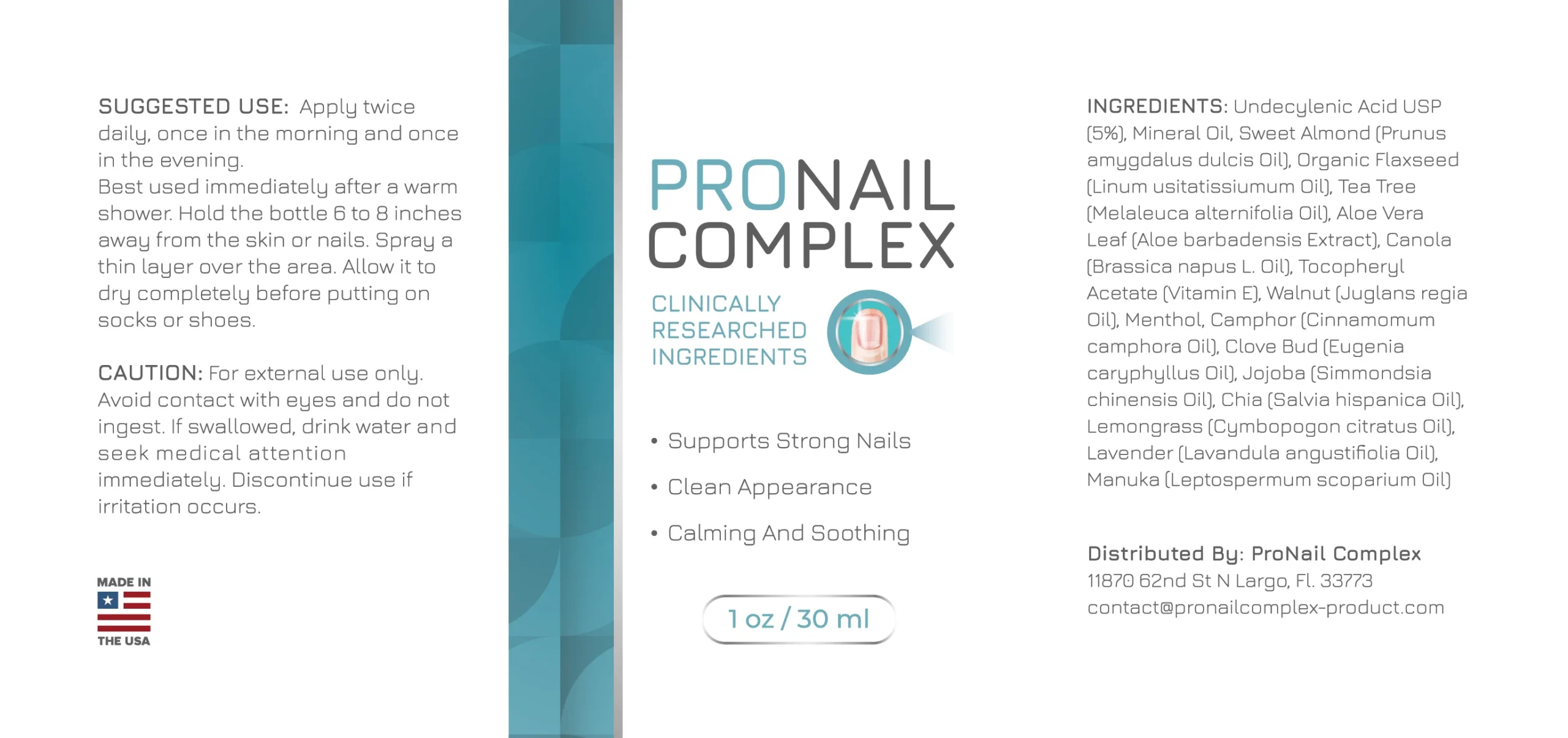
ProNail Complex ingredients raise two different questions: what is named, and what is quantified. This page checks the published 17-item panel, including Manuka and 5% undecylenic acid, against relevant preparation evidence. Use the main review for the overall verdict and buying terms; start here for the formula itself.
| Label entry | Printed amount | Printed identity | Reader implication | Useful question |
|---|---|---|---|---|
| Undecylenic Acid USP | The panel prints 5%. | The label specifies undecylenic acid USP. | This is the only separately quantified concentration on the inspected panel. | Is this concentration appropriate for the intended site? |
| Mineral Oil | The panel prints no individual percentage. | The label names mineral oil without a botanical species. | Its amount cannot be separated from the other carrier oils. | What is the mineral-oil percentage? |
| Sweet Almond Oil | The panel prints no individual percentage. | The label identifies Prunus amygdalus dulcis oil. | Almond identity matters when discussing a known nut allergy. | What allergen and refinement information accompanies the almond oil? |
| Organic Flaxseed Oil | The panel prints no individual percentage. | The label identifies Linum usitatissimum oil. | The organic descriptor does not supply a concentration. | Which documentation supports the organic descriptor? |
| Tea Tree Oil | The panel prints no individual percentage. | The label identifies Melaleuca alternifolia oil. | Its unspecified concentration prevents matching the 100% trial preparation. | What is the tea-tree concentration and storage guidance? |
| Aloe Vera Leaf Extract | The panel prints no individual percentage. | The label identifies Aloe barbadensis leaf extract. | An extract is named, but no extract strength is printed. | What extract strength and carrier are used? |
| Canola Oil | The panel prints no individual percentage. | The label identifies Brassica napus L. oil. | The listed oil has no separate percentage on this artwork. | What proportion of the oil mixture is canola? |
| Tocopheryl Acetate (Vitamin E) | The panel prints no individual percentage. | The label specifies tocopheryl acetate. | The vitamin-E name does not establish a tested nail outcome. | What concentration of tocopheryl acetate is used? |
| Walnut Oil | The panel prints no individual percentage. | The label identifies Juglans regia oil. | Walnut identity is relevant to a known nut-allergy discussion. | What allergen and refinement information accompanies the walnut oil? |
| Menthol | The panel prints no individual percentage. | The label names menthol without an amount. | A menthol listing does not quantify exposure per application. | How much menthol is delivered in the recommended application? |
| Camphor Oil | The panel prints no individual percentage. | The label identifies Cinnamomum camphora oil. | The named camphor component reinforces the external-use-only instruction. | What camphor concentration and child-storage precautions apply? |
| Clove Bud Oil | The panel prints no individual percentage. | The label identifies Eugenia caryophyllus oil. | The printed clove identity is distinct from a measured clinical dose. | What concentration and sensitivity guidance applies to clove bud oil? |
| Jojoba Oil | The panel prints no individual percentage. | The label identifies Simmondsia chinensis oil. | Jojoba is listed separately from the other named oils. | What percentage of this formula is jojoba oil? |
| Chia Oil | The panel prints no individual percentage. | The label identifies Salvia hispanica oil. | The botanical name supplies identity rather than demonstrated nail benefit. | What chia-oil concentration and stability information are supplied? |
| Lemongrass Oil | The panel prints no individual percentage. | The label identifies Cymbopogon citratus oil. | The label does not quantify this aromatic botanical component. | What concentration and skin-sensitivity guidance apply to lemongrass oil? |
| Lavender Oil | The panel prints no individual percentage. | The label identifies Lavandula angustifolia oil. | Lavender appears on the panel without a separate concentration. | What concentration and storage guidance apply to lavender oil? |
| Manuka Oil | The panel prints no individual percentage. | The label identifies Leptospermum scoparium oil. | Manuka is the seventeenth panel entry, absent from the sixteen-item sales highlight. | Does the bottle being ordered match this Manuka-containing panel? |
Concentrations: what can and cannot be calculated
The label gives ProNail Complex one percentage, not a measurable daily blend dose. Undecylenic acid is listed at 5%, while spray volume and other concentrations are unspecified. Dividing the 30 ml bottle among 17 ingredients would create fictional amounts rather than reveal how the product is formulated.
The 17 entries are ingredient identities, not equal shares. “USP” beside undecylenic acid describes the label’s terminology; it does not establish independent certification of the entire finished spray. No proprietary-blend milligram ceiling is printed, so oral blend-ceiling arithmetic does not apply.
| Calculation | Result | Interpretation |
|---|---|---|
| 5 ÷ 10 | 0.5. | The printed acid percentage is half the lower 10% concentration in FDA’s skin-antifungal range, not half an effective nail dose. |
| 30 ml ÷ number of days | Not a measured application volume. | Advertised bottle supply does not reveal the spray pump output or exposed surface area. |
| Unspecified tea tree percentage versus 100% study oil | No valid equivalence ratio. | An exact dose-gap percentage cannot be calculated. |
Match the preparation to the research
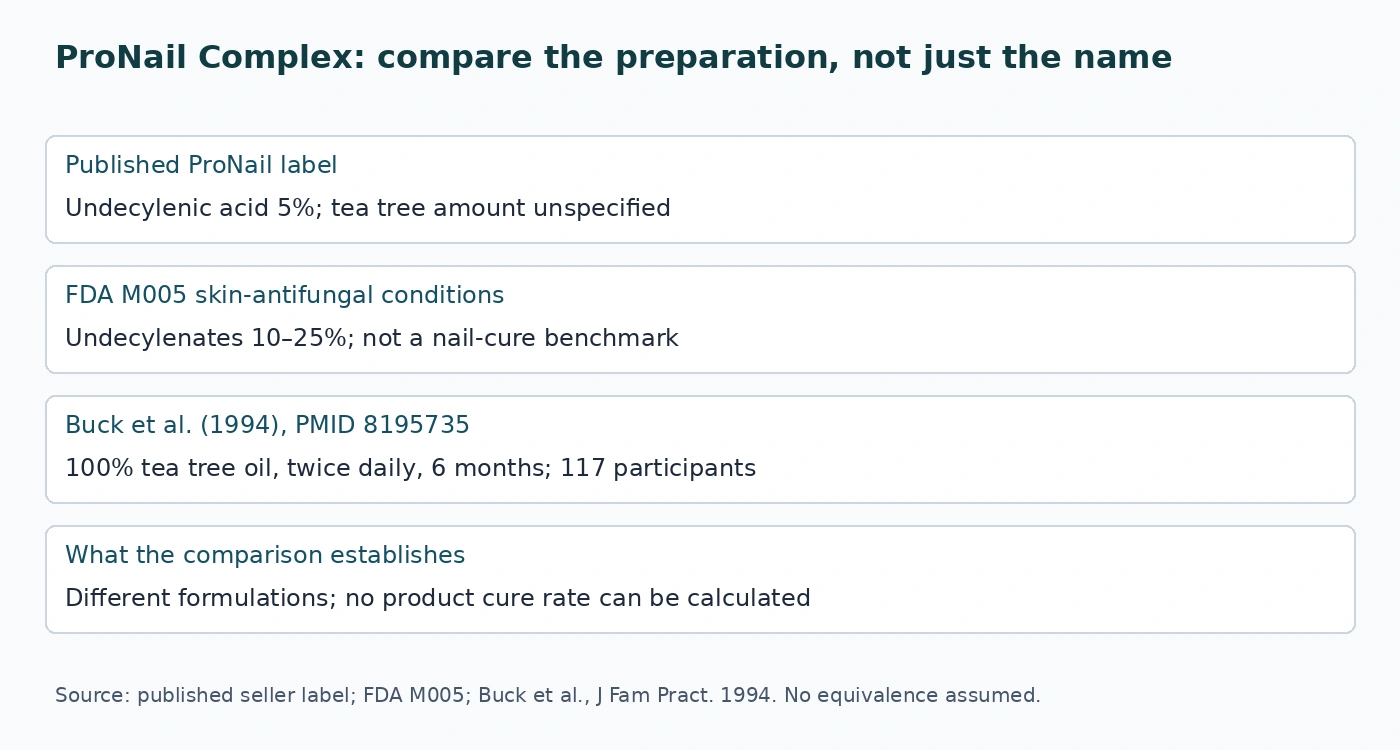
The most useful ingredient comparison is between actual preparations and outcomes. ProNail’s undecylenic acid has a stated percentage, but its tea tree concentration is unspecified. A human study of pure tea tree oil and a laboratory study of Candida cannot be combined into proof that this mist clears toenail infection.
Buck et al. (1994) tested 100% tea tree oil, with debridement, in culture-confirmed nail infection. ProNail is a multi-ingredient oil mixture; the trial does not establish its target-site exposure. Buck et al. (1994) [PMID: 8195735] [1]
Shi et al. (2016) examined Candida biofilm and morphology under laboratory conditions. Nail organisms, a hardened nail plate and real use present different questions. Converting that experiment’s millimolar concentrations into an assumed effective spray dose would be misleading. Shi et al. (2016) [PMID: 26902505] [2]
Carriers, botanicals and allergy questions
The complete ProNail panel is more useful for sensitivity screening than the shorter sales highlights. Almond and walnut oils, fragrant botanicals, menthol and camphor all deserve attention when reviewing past reactions. Their presence does not establish that every person with a food or fragrance allergy will react to this product.
The label does not divide the ingredients into a conventional Drug Facts active/inactive panel. The opening matrix therefore describes roles cautiously rather than inventing an approved active-status classification. For known allergy, a clinician can consider the specific material, refinement and prior exposure.
- Manuka is printed on the label even though it is absent from the 16-item highlights.
- Vitamin E appears as tocopheryl acetate; do not equate it with every preparation used in vitamin research.
- Botanical origin does not rule out contact dermatitis. de Groot and Schmidt (2016) [PMID: 27173437] [3]
- A lower ingredient count is not automatically safer; the identity, concentration and your history matter.
Questions worth taking to a clinician or supplier
A useful ProNail ingredient discussion starts with the complete panel and the intended outcome. Ask whether the concern is dryness, damaged appearance, a skin fungal problem or confirmed nail infection. Then check whether the formula’s actual concentrations and your skin history support that particular use without delaying appropriate care.
- Can the supplier identify the percentage of tea tree and the other essential oils?
- Is there a finished-formula trial using the same 30 ml product and intended application route?
- What testing supports the seller’s purity and manufacturing statements, and does it identify a relevant batch?
- Could my existing topical medicines or allergy history make this blend unsuitable?
- What finding would prompt stopping the spray and reassessing the diagnosis?
Review topical reactions and exposure cautions; broader context is in the essential oils and skin-care guide.
Ingredient questions answered
Ingredient questions are best answered from the complete ProNail panel, not a presumed oral-supplement template. The distinction between a percentage, a delivered amount and a studied preparation prevents false precision. These answers explain the 17-item list and identify which conclusions need supplier information or individual clinical advice.
Is the product’s ingredient list the same as its highlights?
Does 5% mean 5 mg per spray?
Are the remaining ingredients equally divided?
Does the USP wording certify the complete product?
Should I add pure tea tree oil to match a study?
Explore the ProNail assessment series
References
- Buck et al. (1994). Tea tree oil versus clotrimazole for onychomycosis. PubMed abstract; PMID 8195735.
- Shi et al. (2016). Undecylenic acid and Candida biofilm. Laboratory study; PubMed abstract; PMID 26902505.
- de Groot and Schmidt (2016). Tea tree oil contact allergy. PubMed review abstract; PMID 27173437.
- FDA (2021). OTC Monograph M 005, sections M 005.10 and M 005.50.