
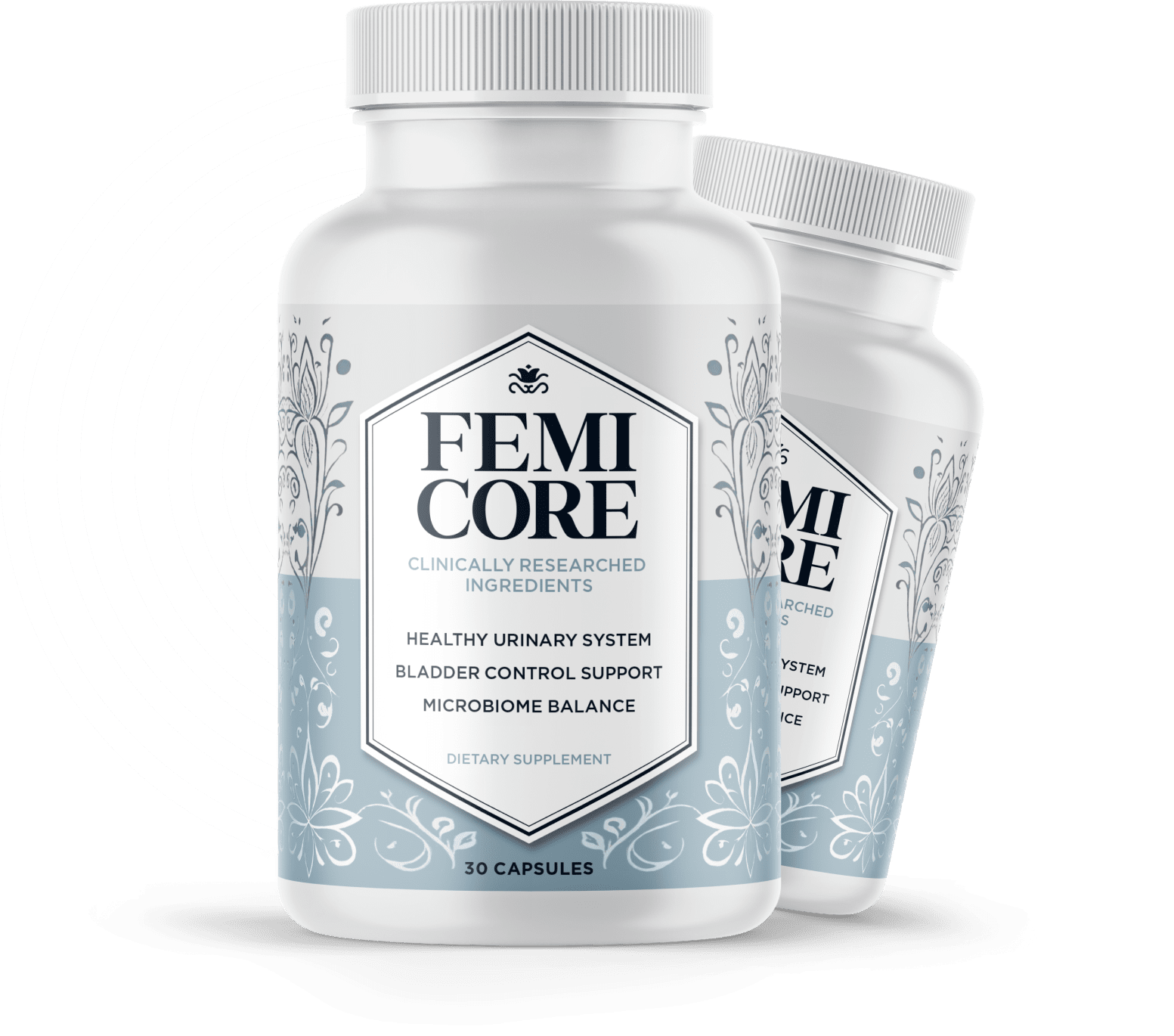
This focused FemiCore Ingredients analysis belongs to the main FemiCore review. Its detailed decision is separated from the other owners to keep the evidence and transaction questions clear.
What must a current FemiCore label confirm?
A full formula assessment needs readable serving, ingredient, excipient and warning panels; the current complete label remains unverified.
| Panel or specification | Status | Why it matters |
|---|---|---|
| Serving size and disclosed blend weights | Not independently verified | Per capsule and per serving can differ. |
| Individual botanical amounts and extract details | Not independently verified | Cannot match preparation or exposure to a trial. |
| Probiotic strain identifiers and viable counts | Not independently verified | Species and blend mass do not identify tested organisms. |
| Other Ingredients, allergens and shell material | Not independently verified | Active-name marketing omits these questions. |
| Vegan/gluten-free suitability | Not independently verified | Do not infer it from botanical ingredients. |
| Storage and warnings | Complete current panel unavailable | Handling and suitability need actual instructions. |
The FDA supplement overview explains ingredient and label distinctions. A front bottle with 30 capsules is a real package image, but it is not a substitute for a legible Supplement Facts photograph. This review does not transcribe exact amounts from competing review pages.
For the broader preparation and safety method, use the Dietary Supplements Guide.
Complete FemiCore Ingredient List
Below is the nine-ingredient list presented in the seller material reviewed for this update. This page distinguishes what is listed from what remains unverified. A current physical Supplement Facts panel should be treated as the preferred source if it differs from a sales page.
| Listed component | Category | Amount/strain visible in reviewed promotion? | Evidence-matching consequence |
|---|---|---|---|
| Mimosa pudica | Botanical | No individual amount or standardization confirmed | Cannot compare confidently with a specific human dose or extract |
| Bearberry (uva ursi) | Botanical | No individual amount or standardization confirmed | Duration and exposure cannot be assessed precisely |
| Cranberry extract | Botanical | No individual amount or PAC standardization confirmed | Cranberry trials using defined preparations cannot be transferred directly |
| Granular berberine | Botanical compound | No individual amount confirmed | Benefit, tolerability and interaction evidence cannot be dose-matched |
| L. crispatus | Probiotic species | No strain identifier or viable count confirmed | Species-level naming does not establish a strain-specific effect |
| L. acidophilus | Probiotic species | No strain identifier or viable count confirmed | Cannot assume equivalence to another commercial or trial strain |
| L. plantarum | Probiotic species | No strain identifier or viable count confirmed | Gut research does not automatically answer a bladder-health question |
| L. gasseri | Probiotic species | No strain identifier or viable count confirmed | Route, population and outcome differences remain important |
| L. casei | Probiotic species | No strain identifier or viable count confirmed | General probiotic evidence cannot prove this blend’s outcome |
Mimosa Pudica
A botanical with traditional wellness use. Direct human evidence for bladder-control outcomes remains limited.
Bearberry
Also called uva ursi. It has a history of urinary-related traditional use, but safety and duration of use deserve attention.
Cranberry Extract
One of the better-known urinary-health ingredients, particularly in research concerning recurrent urinary infections; it is not a treatment for an active UTI.
Granular Berberine
A bioactive plant compound researched in several metabolic and antimicrobial contexts. Bladder-specific conclusions are much less established.
Lactobacillus crispatus
Especially relevant to research on Lactobacillus-dominant vaginal microbial environments, though effects remain strain- and context-specific.
Lactobacillus acidophilus
A widely used probiotic species. General probiotic findings cannot automatically be transferred to every strain or commercial blend.
Lactobacillus plantarum
Studied across microbial and gastrointestinal contexts; direct conclusions about FemiCore or bladder control require product-specific evidence.
Lactobacillus gasseri
A species found in human microbiota and investigated in women’s health research, but its presence alone does not prove a clinical outcome.
Lactobacillus casei
A commonly researched probiotic species that adds diversity to the formula, without independently proving a bladder-control effect.
Ingredient-by-Ingredient Evidence Analysis
FemiCore’s listed ingredients have different evidence profiles; none independently validates the combination at unknown amounts.
Mimosa pudica
Why it may be included: botanical and traditional-use positioning. Laboratory and traditional-use discussions may suggest biological activity, but they do not answer whether oral Mimosa pudica improves urgency, leakage frequency or quality of life in women. Evidence strength for FemiCore’s intended outcome: limited. Key mismatch: no confirmed product dose or standardized preparation is available for comparison with relevant human research.
Bearberry (Uva ursi)
Why it may be included: historical urinary use, commonly connected to arbutin-containing preparations. Historical use is not the same as evidence for chronic bladder-control support. Evidence strength: limited and context-dependent. Key mismatch: exposure, standardization and intended duration are unclear, while safety considerations make long-term casual use inappropriate to assume.
Cranberry extract
Why it may be included: cranberry has the clearest urinary-health research footprint among the four listed botanicals, particularly for reducing recurrent UTI risk in some populations. That is a prevention question—not proof of treating an active UTI, stopping leakage or correcting every bladder symptom. Evidence strength: relevant but preparation- and population-dependent. Key mismatch: proanthocyanidin content and individual amount are not confirmed in the reviewed promotion, so results from a standardized cranberry intervention cannot be assigned to FemiCore.
Granular Berberine
Why it may be included: berberine is studied across metabolic and antimicrobial pathways. That wider research interest does not establish an oral bladder-control benefit. Evidence strength for FemiCore’s positioning: indirect. Key mismatch: the product amount is not confirmed, and medication-interaction and tolerability questions are dose-sensitive.
Lactobacillus crispatus
Why it may be included: L. crispatus is relevant to research on Lactobacillus-dominant vaginal microbial communities. This gives the ingredient biological plausibility for feminine microbiome positioning. Evidence strength: scientifically relevant but not automatically transferable. Key mismatch: probiotic outcomes depend on the exact strain, viable dose, route, storage stability, study population and endpoint; a species name alone cannot confirm equivalence.
L. acidophilus, L. plantarum, L. gasseri & L. casei
Why they may be included: probiotic diversity and broad microbiome-support positioning. Each species has research in particular strains and health contexts, but evidence from gastrointestinal, metabolic or vaginal studies should not be relabeled as proof of bladder control. Evidence strength: mixed and indication-specific. Key mismatch: no strain IDs, per-strain counts or guaranteed viable count through shelf life are confirmed in the reviewed material.
Sources for these boundaries include cranberry prevention evidence, probiotic specificity and safety and specified bearberry preparations. They do not identify FemiCore’s undisclosed amounts or validate the combined product.
Formula Transparency: What We Know and What We Don’t
Ingredient names are useful, but a serious formula assessment also needs individual amounts, standardized extracts where relevant, probiotic strain identifiers, viable counts, whether CFUs are guaranteed at manufacture or through expiration, storage requirements and a complete “other ingredients” list. Those details affect both evidence matching and safety evaluation.
Why blend arithmetic cannot solve the problem
Even if a label supplies one combined blend weight, that total only establishes the maximum material shared across the ingredients in that blend. It cannot reveal the amount of each botanical, the distribution among organisms, extract concentration, viable probiotic count, interaction between ingredients or finished-product performance. Therefore, arithmetic can identify a capacity limit but cannot prove which ingredient is adequately dosed or underdosed.
Source discrepancy rule
If a sales page, bottle photograph, checkout description and delivered Supplement Facts panel disagree, the current physical label should control ingredient and warning statements, while the live checkout should control transaction terms. Until a current label is inspected, exact dose, strain, excipient and allergen conclusions should remain marked as unverified.
Only inspect the commercial offer after considering symptoms, evidence and personal suitability. Confirm the current full label and terms before buying.
Verify Current Offer and Terms (affiliate link)FemiCore Ingredients FAQ
These questions summarize FemiCore’s product category, evidence limits, safety and purchase checks.
How many ingredients are listed in FemiCore?
The current manufacturer materials list nine primary ingredients: four botanicals and five Lactobacillus probiotic species.
Does FemiCore contain cranberry?
Yes. Cranberry extract is one of the listed botanical ingredients.
What probiotics are in FemiCore?
The listed species are Lactobacillus crispatus, L. acidophilus, L. plantarum, L. gasseri and L. casei.
Does FemiCore disclose the dose of every ingredient?
The promotional material reviewed for this update does not provide enough individual-dose, extract-standardization, strain and viable-count detail to match every listed component reliably with human research. Check the current physical label for the most authoritative formula details.
Why do probiotic strain numbers and CFUs matter?
Different strains within the same Lactobacillus species can behave differently, and a viable dose is part of the intervention tested in research. A species name alone does not establish that FemiCore matches a studied probiotic.
Are FemiCore ingredients clinically proven?
Some individual ingredients or probiotic species have been researched in relevant health contexts, but that is different from proving the exact finished FemiCore formulation.
Are the ingredients safe for everyone?
No supplement should be assumed safe for everyone. Individual health conditions, pregnancy, immune status and medications can change the risk profile.
Our Take on the FemiCore Formula
The formula’s most interesting feature is its combination of urinary-health botanicals with five Lactobacillus species. Cranberry and feminine-microbiome research provide a scientific rationale for parts of the concept, but the evidence is uneven and cannot be stretched into proof of the finished supplement.
Best-supported interpretation: FemiCore contains ingredients relevant to urinary or microbial-health research, yet missing individual amounts, botanical standardization, probiotic strain IDs and viable counts prevent a reliable study-to-formula match. Buyers should judge the product as an unproven combined formula—not as nine independently proven ingredients working together.
Before buying, compare the current physical label with the seller description, check all medicines and conditions with a qualified professional, and do not use the product to delay assessment of persistent or concerning urinary symptoms.
How should you request the missing formula details?
Ask for current bottle panels and product-specific specifications rather than repeating a broad benefit question.
Request front, back and side photographs, serving size, amounts, botanical parts/preparations, any standardization, strain identifiers and whether viable counts are guaranteed through expiry. Ask separately about a specific allergen or capsule-shell concern.
Keep the date and compare the reply with the delivered version. A generic statement about natural ingredients does not close a quantity or allergen question. Use the Herbal Supplements Guide for botanical-label interpretation and the safety owner for interactions.
How was this page prepared?
This is a document-based FitnessLifeMag editorial update, with inaccessible facts and unperformed tests explicitly recorded.
Research checked 12 October 2026. We inspected the existing page and seller presentation, reference and policy material, and relevant independent regulatory/clinical sources. We did not use the capsules, laboratory-test a bottle, complete checkout or perform a refund test. The current full label and exact payable total remain unavailable.
The Biraj Health Care byline is an editorial identity, not a medical qualification. No independent clinical reviewer is claimed. Read Editorial Methodology, Sources Policy and Affiliate Disclosure. Send corrections through Contact.
Only inspect the commercial offer after considering symptoms, evidence and personal suitability. Confirm the current full label and terms before buying.
Verify Current Offer and Terms (affiliate link)