
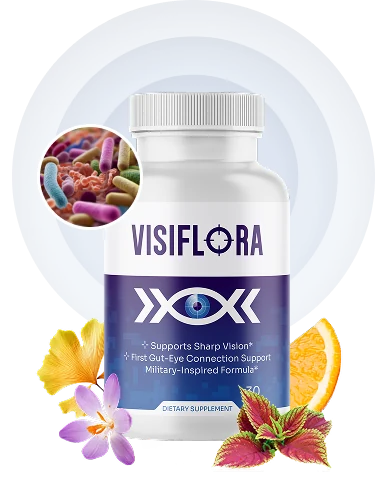
What is on the VisiFlora ingredient list?
The seller lists 21 individually named components under a 22-nutrient claim; a current full label is needed to reconcile that difference.
The broad product decision is covered in our VisiFlora review. This page addresses the narrower question: what information is actually available to evaluate the composition? The list below transcribes ingredient names from seller copy, rather than reconstructing a verified Supplement Facts panel.
| Seller group | Named entries | Disclosure status |
|---|---|---|
| Vision Defense Matrix | Astaxanthin; vitamin C; vitamin E; copper; selenium; chromium | Six named entries; amounts/forms generally missing |
| Gut-Eye Barrier Complex | Grape seed extract; rutin; quercetin; taurine; alpha lipoic acid | Five named entries; amounts and extract specifications missing |
| Vision Performance Boosters | Ginkgo biloba; coleus forskohlii; eyebright | Three named entries; no verified standardization |
| Macular & Lens Protection Blend | Vitamin A (beta carotene); lutein; zeaxanthin; zinc; bilberry extract; lycopene; saffron extract | Seven named entries; zinc displayed as 11 mg, serving basis unverified |
The count is reproducible: 6 + 5 + 3 + 7 = 21, counting vitamins C/E and lutein/zeaxanthin separately. It does not prove a missing nutrient, mislabeling or the actual bottle contents. Group names are seller categories; their use of “blend” does not tell us whether the physical label declares a proprietary blend or a total quantity.
Which Supplement Facts details are missing?
A readable full panel, serving basis, most ingredient amounts, other ingredients and relevant allergen information were not verified in the supplied sources.
One disclosed number cannot establish the rest of the formula. “Zinc 11 mg” appears in seller ingredient copy, but without a verified panel it should not be silently converted into a confirmed per-capsule or daily elemental amount. Nor can it identify the zinc compound used.
| Information needed | Why it changes the decision | What to request |
|---|---|---|
| Daily serving and servings per bottle | Determines exposure and usable duration | Legible panel and exact capsule count |
| Each nutrient amount and form | Allows comparison with research and existing supplements | Milligrams/micrograms/IU as appropriate, at the actual daily serving |
| Extract strength | Same plant name can describe different preparations | Standardized constituents, extraction details and amount |
| Other ingredients and allergens | Capsule shell, carriers and processing matter for suitability | Full other-ingredient list and manufacturer allergen statement |
| Identity/quality evidence | A marketing badge cannot establish batch composition | Attributable current laboratory report matching the product/batch |
FDA distinguishes dietary ingredients from fillers and other ingredients in supplement formulations. FDA supplement questions and answers. The seller’s ingredient headline does not replace those details. Use our supplement label guide to organize the questions before asking for a panel.
Do its amounts match those used in eye research?
Most comparisons cannot be completed because the product amounts and preparations are undisclosed; matching ingredient names alone is insufficient.
| Ingredient/comparator | Verified VisiFlora disclosure | Research reference | Applicability limit |
|---|---|---|---|
| Lutein + zeaxanthin | Named; amounts not verified | NEI lists 10 mg + 2 mg in the AREDS2 formulation | Specified formula and AMD context; not an interchangeable two-ingredient guarantee |
| Saffron | Extract named; dose/standardization unknown | 20 mg/day in a randomized 100-adult AMD trial | Cannot establish VisiFlora exposure or clinical equivalence |
| Zinc | 11 mg in seller prose; form/serving basis unverified | NEI lists 80 mg in its commercial AREDS2 table; lower-dose research also exists | Arithmetic difference is not proof of VisiFlora underdosing or ineffectiveness |
| Bilberry | Extract named; concentration unknown | An older controlled night-vision trial used a specified standardized extract | Different preparation/population/outcome; no product-level inference |
Sources: NEI formula guidance, saffron trial and bilberry night-vision trial. The compact comparison identifies what can be checked; the detailed outcome interpretation belongs in the VisiFlora effectiveness analysis.
What do the different ingredient groups mean?
The groups describe nutrients, pigments and botanicals associated with biological functions; they do not establish that their combination changes vision.
Lutein and zeaxanthin are relevant to macular nutrition, while the vitamin and mineral names identify familiar micronutrients. A biological role is not a promise that adding more helps someone already adequately nourished. Whether a preparation has a useful role depends on the need, formulation and clinical context.
The botanical portion adds a different uncertainty: a plant name can stand for several extracts, with different concentrations and studied doses. Saffron, ginkgo, bilberry, eyebright and coleus should not be assigned one shared evidence grade. A favorable finding for one preparation cannot verify every extract carrying the same common name.
Taurine and alpha lipoic acid add to the ingredient list but do not demonstrate gut-toxin removal. No probiotic strain, viable-organism count or corresponding strain-specific preparation was identified in the named list. Do not assume “Flora” or gut positioning means a clinically evaluated probiotic.
Is VisiFlora vegetarian, non-GMO or allergen-free?
The seller describes vegetarian-friendly, non-GMO and stimulant-free attributes, but a complete label and independent certification were not verified.
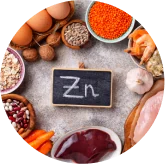
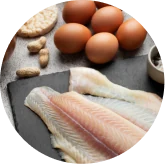
Those claims should remain attributed. They do not prove vegan status, gluten-free handling or freedom from individual allergens. Ingredient pictures showing foods are illustrations, not a declaration that the capsule contains those foods or their proteins.
For a medically important allergy, obtain the capsule-shell, carrier and cross-contact information directly from the responsible supplier. Avoid deciding from front-label icons or another website’s “fully verified” claim. The product can have an appealing dietary description while still lacking the documentation needed for your particular restriction.
Ingredient illustrations
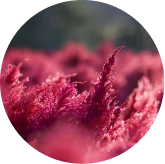
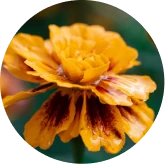
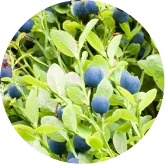
These seller-provided pictures identify selected listed components; they are not label photographs, dose measurements or evidence of benefit.

What is the useful next step for a buyer?
Ask for the complete current label and compare actual daily exposures before judging the formula’s transparency, evidence fit or suitability.
A good answer should resolve the ingredient count, show amounts and forms, identify the daily serving and disclose the other ingredients. A generic brochure that repeats nutrient names does not answer those questions. If documentation remains incomplete, compare a product that provides it rather than inventing missing data.
Keep interaction decisions separate from this composition audit: the VisiFlora safety page explains which ingredients and personal circumstances deserve review. The formula’s clearest positive is a named range of nutrients; its key limitation is incomplete verification of what those names mean at the daily serving.
Frequently asked questions
These answers address recurring topic-specific questions without replacing the analysis above.
Is the complete ingredient list verified?
The seller’s named list is available; complete Supplement Facts and other ingredients were not verified. Those are different levels of disclosure.
Does 22-in-1 mean a better formula?
No. Ingredient count does not establish adequate amounts, appropriate combinations or clinical benefit.
Can I calculate the amount of each ingredient from the capsule?
No. Without actual amounts, extract specifications and verified fill information, dividing a capsule across ingredient names would be invented arithmetic.
Method and sources
We separate seller statements from research findings and make consequential gaps explicit.
Research checked October 17, 2026. This is an online document and evidence review prepared for the Biraj Health Care editorial identity, not a clinical review or hands-on product test. No independent clinician or laboratory reviewed this article. We inspected the seller presentation, policy wording and product artwork; ingredient studies are distinguished from finished-product evidence. Commercial facts can change.
Seller documents checked: VisiFlora presentation/FAQ, refund policy, shipping policy and terms. Those documents establish what the seller states, not independent efficacy or verified manufacturing quality. The analyses above identify their uncertainties and any reproducible calculations.
Editorial methodology · Sources policy · Affiliate disclosure · About Biraj Health Care