
Advanced Amino Formula Side Effects: 5-Tablet Cautions
Affiliate disclosure: FitnessLifeMag may earn a commission from purchase links at no extra cost to you. How this works.
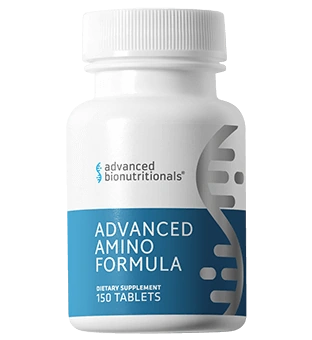
This safety assessment focuses on the tablet blend’s phenylalanine, tryptophan and practical precautions. The Advanced Amino Formula review owns the overall buying assessment. A seller’s reassurance is different from measured adverse-event evidence, and the hidden individual quantities prevent a precise exposure-based estimate for each amino acid in the formula.
| Issue | Why relevant | Evidence boundary | Practical response |
|---|---|---|---|
| PKU | The blend includes phenylalanine. | PKU requires individual phenylalanine control; this panel hides its amount. | Do not self-start; use the metabolic specialist’s plan. |
| Serotonergic medicines | The blend includes tryptophan. | Ingredient interaction evidence does not quantify this product’s risk. | Have a pharmacist review medicines and overlapping supplements. |
| Drowsiness / dizziness / nausea | These can occur in supplemental tryptophan literature. | They are not established product incidence rates. | Stop and seek advice about significant new symptoms; avoid driving if impaired. |
| Vulnerable groups | Pregnancy, children and kidney/liver disease change the assessment. | The cited healthy-adult studies do not establish suitability for these groups. | Use appropriate individualized professional advice. |
Which side effects are actually established?
A reliable frequency of side effects from Advanced Amino Formula was not established in this assessment. Relevant ingredient literature describes possible reactions, but the product’s hidden quantities and lack of a located matched safety trial prevent numerical estimates. A testimonial or a statement about no reported dangerous effects cannot establish universal tolerability.
Fernstrom’s narrative review describes occasional nausea, dizziness, tremor and drowsiness with supplemental tryptophan, often at substantially higher exposures than ordinary nutritional intake. It also emphasizes limited safety data. Fernstrom (2012), PMID: 23077193 [1]. The dose of tryptophan in these tablets is unspecified, so those observations should not be rewritten as a known rate in users of this blend.
- Record the product, serving, timing, other supplements and symptoms if a reaction occurs.
- Do not treat a new symptom as proof the product is “working” or a necessary adjustment phase.
- Avoid driving or hazardous tasks if drowsy or dizzy; seek advice rather than increasing the dose.
Stimulants, liver concerns and quality evidence
The inspected ingredient panel does not list caffeine, a stimulant botanical or a laxative ingredient. That narrow observation does not certify that the product is appropriate for every liver or kidney condition. Manufacturing statements, a readable label and an absence of a located product alert are different from independent testing of a delivered batch.
The seller’s quality page describes GMP-certified manufacturing, supplier checks and disintegration tests to USP guidelines. Those are company statements rather than a lot-specific independent assay supplied to this review. No verified product-specific liver-injury incidence or liver-safety clearance was established.
Historical tryptophan-related eosinophilia-myalgia cases were linked to contaminated production batches, according to Fernstrom (2012). That history supports attention to quality provenance; it is not evidence that Advanced Amino Formula is contaminated. Unrelated historical events should not become current product accusations.
- Ask for documentation tied to the actual product and batch when testing matters to your decision.
- Yellowing of the eyes/skin, dark urine, severe persistent abdominal symptoms or other significant reactions merit prompt medical advice. FDA supplement reaction guidance [2]
- Do not assume “natural” or “vegan” means free of interaction or quality risks.
Medicines and overlapping supplements
The most specific medicine concern identified here is supplemental tryptophan combined with drugs that enhance serotonin activity. The amount of tryptophan in Advanced Amino Formula is hidden, which prevents a precise interaction-risk calculation. A pharmacist should assess the complete regimen; simply spacing doses is not a verified solution for every interaction.
Fernstrom (2012) describes rare serotonin syndrome when tryptophan is combined with serotonergic medicines. This is ingredient-level evidence, not a measured Advanced Amino Formula event rate. Tell the prescriber or pharmacist about antidepressants, sleep/mood products and other amino-acid supplements before starting.
| What to review | Why it matters | Avoid this inference |
|---|---|---|
| Antidepressants and other serotonin-active medicines | Tryptophan is involved in serotonin synthesis. | A hidden dose does not prove there is no interaction. |
| Other EAA / tryptophan products | Total supplemental exposure can increase. | Different branding does not prevent ingredient overlap. |
| Alcohol, sedating medicines and driving | Impairment matters if drowsiness or dizziness occurs. | Do not assume the blend cannot affect alertness because it is sold for energy. |
Do not stop, replace or reduce a prescribed medicine to accommodate the supplement. For additional context, read the supplement guide’s interaction discussion.
Who needs a different level of review?
People with PKU should not self-start a phenylalanine-containing blend with hidden individual quantities. Pregnancy, breastfeeding, childhood and significant kidney or liver disease also require an appropriate professional assessment rather than a general seller reassurance. The available adult mixture studies do not establish this product’s safety in every vulnerable group or clinical situation.
MedlinePlus: phenylketonuria [3] explains why phenylalanine must be managed individually. The fact that amino acids are found in food does not remove the importance of concentrated supplementation, total intake or a prescribed metabolic diet.
- For PKU, bring the actual blend information to the treating metabolic specialist.
- For protein restrictions or organ disease, ask the treating clinician/dietitian how the supplement fits the existing plan.
- For pregnancy, breastfeeding or a child, do not copy a generic adult serving without the relevant professional’s advice.
If a suspected reaction includes breathing difficulty, throat swelling, chest pain, collapse or severe confusion/fever, seek urgent medical care. For significant suspected supplement reactions, stop the product and use appropriate medical advice and reporting. FDA supplement guidance [4].
Safety questions
Safety decisions depend on the actual formulation, exposure and person rather than the product’s general category. These answers keep ingredient cautions separate from measured product events. A review can identify reasons for professional assessment, but it cannot diagnose a reaction, clear a medicine combination or prescribe a safe personal serving from a hidden-dose blend.
Does “no dangerous side effects reported” mean it is safe for me?
No. A seller statement about reported experiences is not a controlled estimate of risk and may miss unreported reactions. Your medicines, conditions and total intake still matter. The product’s individual amino-acid amounts are hidden, so a precise personal exposure assessment is limited.
Can a person with PKU use the standard five-tablet serving?
Do not use the general adult serving as a PKU plan. These tablets contain phenylalanine without a disclosed individual amount. PKU management requires specialist-directed control of phenylalanine and overall nutrition, so the treating metabolic professional should decide whether any such supplement fits.
Should I stop an antidepressant before using it?
No. Do not stop or change prescribed antidepressants to take a supplement. Ask the prescriber or pharmacist to assess the tryptophan-containing blend and any other serotonin-active products. Changing timing or skipping medication is not an established way to make the combination appropriate.
Does a GMP statement prove the bottle is independently certified?
No. A manufacturing quality statement and an independently verified product or batch certification are different types of evidence. Ask which exact certificate, product and lot the claim covers. A statement about USP-guideline disintegration does not mean the product itself carries USP verification.
Can I continue if I feel dizzy or unusually sleepy?
Do not drive or perform hazardous tasks while impaired. Stop the suspected supplement and seek advice about meaningful new symptoms rather than assuming an adjustment period. Severe symptoms, breathing difficulty, collapse or marked confusion warrant urgent assessment, regardless of whether the supplement caused them.
For the panel itself, see ingredient disclosure. A careful medicine and nutrition review is more useful than treating the seller’s reassurance as individual clearance.
Complete Advanced Amino Formula series
References
Medical education notice: This article provides general information, not diagnosis, treatment or personal dosing advice. Discuss medicines, medical conditions and supplement decisions with an appropriately qualified professional.
Affiliate notice: Eligible purchase links may earn FitnessLifeMag a commission at no extra cost to you. Scientific citations and internal editorial links are not purchase links.