
Advanced Mitochondrial Formula Side Effects and Warnings
Disclosure: FitnessLifeMag may earn a commission when you buy through our links.
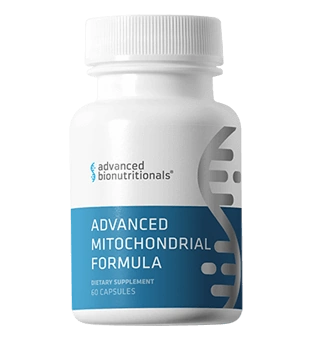
This page reviews relevant ingredient-level precautions for the seller’s listed formula. A personal risk assessment depends on medicines, health history and the actual current label. See the main review.
| Concern | What is known | Applicability | Practical step |
|---|---|---|---|
| CoQ10 and medicines | NCCIH names warfarin, insulin and some cancer treatments. [2] | The panel lists 50 mg CoQ10 per serving. | Ask a clinician or pharmacist about the complete label. |
| Curcumin and liver | Some enhanced-bioavailability preparations have been linked to injury. [1] | Specific product incidence is unknown. | Discuss liver history and follow NCCIH symptom advice. |
| Niacinamide | Adult supplemental-niacin UL is 35 mg. [3] | Panel lists 200 mg niacinamide; UL basis differs by form. | Review total supplemental intake with a clinician. |
Common Effects and Tolerability
Ingredient information can identify possible reactions, but it does not establish a product-specific incidence. NCCIH notes that oral turmeric may cause nausea, vomiting, reflux, stomach upset, diarrhea or constipation. The reviewed source does not tell us how frequently those effects occur in users of this exact formula. [1]
Stop using a supplement and seek appropriate medical advice for a concerning or serious reaction. Do not assume a reaction is impossible because the ingredients are naturally derived.
Curcumin and Liver Considerations
Some highly bioavailable curcumin preparations have been linked to liver injury. NCCIH explains that combining curcumin with piperine can increase bioavailability; the product’s panel lists curcumin extract and black pepper extract. The source does not establish a rate of liver injury for this particular formula. [1]
NCCIH recommends stopping turmeric or curcumin and contacting a health professional if symptoms such as dark urine, jaundice, poor appetite or unusual fatigue occur. [1]
Medication Interactions
CoQ10 can interact with certain medicines and treatments. NCCIH specifically identifies warfarin, insulin and some cancer treatments. The product also contains botanical extracts, so a clinician or pharmacist can review the complete label alongside prescription medicines and other supplements. [2]
Do not change prescribed medication based on this review. Ask your own clinician whether the combination is appropriate in your circumstances.
Who Should Seek Advice Before Use?
Pregnancy, breastfeeding, medical conditions and medicine use warrant a tailored discussion. NCCIH says turmeric supplements during pregnancy may be unsafe and breastfeeding evidence above food amounts is limited. NIH lists a 35 mg upper limit for supplemental niacin in adults, including niacinamide; the panel lists 200 mg. [1] [3]
The niacin limit is based on nicotinic-acid flushing, which is different from niacinamide’s profile. Exceeding the limit does not prove the amount causes harm; discuss total supplemental intake with a healthcare professional.
Frequently Asked Questions
These answers address the specific questions most relevant to this topic. They reflect the sources and label reviewed, not personalized medical advice. Evidence and commercial terms may change, so review the current packaging and transaction conditions before making a decision.
Does a money-back guarantee mean the product is safe?
Can CoQ10 interact with medicines?
What symptoms matter for curcumin products?
Is 200 mg niacinamide automatically toxic?
Is the product suitable during pregnancy?
Safety Takeaway
A seller guarantee protects a purchase under its terms, not a person’s health. Use the label to discuss relevant interactions and vulnerabilities with a healthcare professional. Ingredient-level safety information does not measure how often a specific reaction occurs with this finished product.
Disclosure: FitnessLifeMag may receive a commission from a qualifying purchase.
Explore the Research Series
References
Affiliate disclosure: FitnessLifeMag may receive a commission from qualifying purchases. This educational content is not medical advice.