
What ingredients does the seller list?
The current seller page names ten components, but a complete physical Supplement Facts panel and per-ingredient amounts were not verified.
The table separates the advertised ingredient identity from evidence that would be needed to connect it to the product’s memory claims. It does not certify the contents of a shipped bottle.
| Seller-listed component | What needs checking before drawing a conclusion |
|---|---|
| Saffron extract, Crocus sativus L. | Extract specification and daily amount; the saffron preparation studied elsewhere is not automatically this product’s preparation. |
| Fucoxanthin, described as Japanese sea kelp | Exact source, concentration and amount; the claimed neural effects need relevant human outcome evidence. |
| Fucoidan, described as Japanese sea kelp | Source and preparation, purity and amount; a marine-polysaccharide mechanism does not establish memory improvement. |
| Oleuropein, described as olive leaf extract | Extract versus constituent quantity and standardization; glucose or antioxidant claims need outcome-specific support. |
| Berberine HCl | Actual daily amount and interaction review; glucose-metabolism findings cannot stand in for cognitive findings. |
| Ceylon cinnamon bark, Cinnamomum verum | Species, preparation and amount; another cinnamon preparation’s result cannot be transferred without checking. |
| Corosolic acid, described as banaba leaf | Whether the label lists an extract, standardized constituent or both, and the respective amounts. |
| Kudzu flower extract | Plant part and specification; flower and root preparations should not be treated as identical. |
| Morosil, described as Sicilian red orange extract | Verified branded-ingredient identity, amount and relevant endpoints; weight-management results do not prove memory gains. |
| Xylitol | Quantity and actual formulation role; its presence does not demonstrate restored brain-energy processing. |
The inspected page does not provide enough information to reconstruct the formula’s dose distribution. We therefore do not assign a blend total, call it underdosed, or calculate whether its ingredients could match published doses. Claims such as non-GMO, stimulant-free and natural appear in seller copy; independent certification and complete label confirmation were not supplied.
Fillers, allergens, dietary suitability and a verified tablet or capsule count remain label questions. Someone with an allergy should not infer suitability from a short promotional ingredient list. Ask for the current front and back label, Supplement Facts, other ingredients and allergen information before purchase.
How closely does ingredient research match the product?
The available comparisons are incomplete: some human ingredient studies exist, but the product’s amounts and preparation specifications are missing.
| Product information | Studied preparation and population | Relevant finding | Applicability limit |
|---|---|---|---|
| Seller lists saffron extract; dose/specification unverified | 2010 randomized saffron trial: 30 mg/day, 16 weeks, 46 patients with mild-to-moderate Alzheimer’s disease | Cognitive and clinical scale results favored saffron over placebo; researchers called for larger confirmation. | Small disease-specific ingredient study; not Phytomem One, not brain-microplastic removal, and not a matched dose. |
| Seller lists Morosil/red orange; dose unverified | 2022 randomized Moro orange extract study: overweight adults, six months, body-weight/body-composition outcomes | Favorable weight-management findings alongside diet and exercise. | Different outcome and population; does not establish memory benefit or enhancement of every other ingredient’s bioavailability. |
| Seller lists berberine HCl; dose unverified | NCCIH evidence summary: studies in type 2 diabetes, with quality and population limitations | Some glucose/metabolic findings warrant investigation. | Different indication; no validated dose match or finished-blend cognitive conclusion. |
The practical value of this comparison is the mismatch itself. A paper can be authentic while the marketing interpretation goes beyond the tested outcome. The seller’s description of a “hero ingredient” or synergy does not remove the need to show the relevant combination was studied.
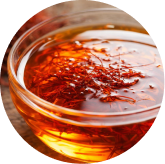
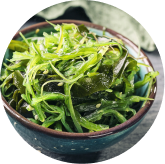
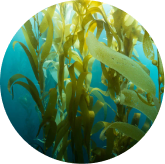
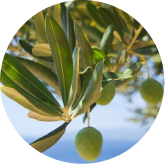
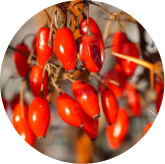
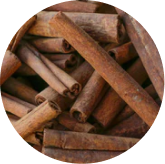
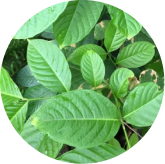
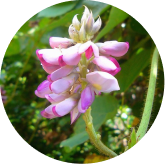
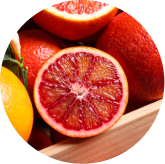
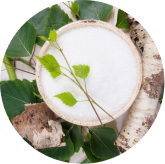
These are seller ingredient illustrations, not laboratory images of the actual blend, quantities or efficacy.
What would a usable Supplement Facts panel establish?
A readable current panel would establish serving size, named dietary ingredients and disclosed amounts; the inspected marketing list does not supply those details.
Use this document checklist before comparing the formula with research:
| Document field | Why it changes the interpretation | Current Phytomem One finding |
|---|---|---|
| Serving size and servings per container | Converts an ingredient amount per serving into actual daily exposure and supply duration. | Not confirmed from a complete current label. |
| Exact extract form and plant part | Root, flower, whole material and concentrated extract are not interchangeable preparations. | Seller names kudzu flower and several extracts; complete specifications unavailable. |
| Ingredient amount and standardization | Distinguishes extract weight from the amount of an identified constituent. | Individual quantities not verified. |
| Other ingredients | Helps identify binders, coatings, capsule materials and possible allergy concerns. | Complete list not verified. |
| Blend declaration, if present | Shows whether quantities are grouped and what total is actually disclosed. | Do not assume a proprietary blend or invent its total without the panel. |
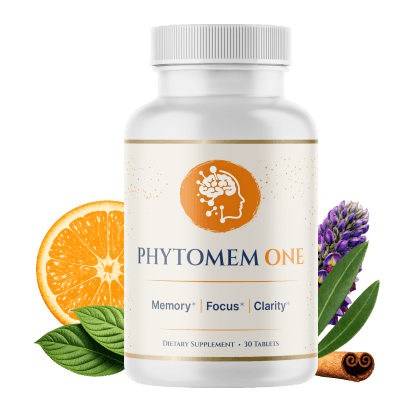
A promotional bottle image is useful for product recognition, but is not a substitute for its readable back label. The uploaded artwork carries front-panel wording; it does not establish the full formula, testing or what every shipped batch contains.
Does an undisclosed amount prove underdosing?
No. Without reliable quantities, an underdosing calculation cannot be made; the correct finding is that dose applicability cannot be assessed.
Adding the doses used in unrelated papers does not reveal how a blend distributes its ingredients. Extract concentration, composition and outcomes differ. Likewise, an advertised ingredient number cannot establish synergy. The useful next document is the current label and supporting specification, not a reconstructed formula based on assumptions.
Are dietary claims and allergens confirmed?
Seller language alone did not independently confirm vegan, gluten-free or allergen suitability for the current Phytomem One formula.
The seller describes the product as natural, non-GMO and stimulant-free. These terms answer different questions and should not be combined into an assumed safety or dietary certification. A plant-derived ingredient list can still omit processing aids, coatings or cross-contact information.
If an allergy or dietary restriction determines your purchase, ask for the complete label and the relevant manufacturer statement. A stock illustration of a plant cannot establish species, purity or allergen controls. The gallery on this page identifies the seller's ingredient imagery; it does not demonstrate an exact dose or clinical effect.
For interaction and suitability decisions, use the Phytomem One safety review. For the outcome evidence, see whether Phytomem One works; do not infer a memory result from the ingredient list alone.
Ask for the current label and formulation specification first; those documents can resolve several consequential uncertainties at once.
Request a clear front/back photograph of the version being sold, serving instructions, all active and other ingredients, amounts or a verified declared blend total, and any relevant allergen statement. For a standardized extract, ask what the percentage refers to and whether that specification applies to the marketed batch.
A certificate of analysis may help establish identity or tested contaminants within its scope, but it cannot demonstrate improved memory. Confirm its issuing laboratory, tested product/batch, date, methods and scope rather than accepting a decorative quality badge.
This ingredient review cannot recommend a dosage or diagnose a deficiency. The Brain & Memory Guide explains why product evidence, clinical deficiency care and general nutrition are separate questions.
Ingredient questions
These answers summarize what the current documents can and cannot establish.
Are the ten listed components verified laboratory contents?
No. They are names on the inspected seller page; this review did not laboratory-test the product or inspect a complete physical label.
Can the saffron study dose be used as this product's directions?
No. A dose in a different preparation's study is research context, not an instruction to increase or alter Phytomem One intake.
Is the product confirmed to use the branded Morosil ingredient?
The seller uses the Morosil name, but current branded-ingredient specification and batch authenticity were not independently verified here.
Ingredient decision
The seller's list supports an initial investigation, while the missing quantities and full label prevent a dependable research-dose or allergen match.
Choose whether to investigate further based on the documents supplied, rather than treating ten ingredients as ten established benefits. Return to the main Phytomem One review for the overall evidence and purchasing assessment.
The ten seller-listed components were checked against label information available on the presentation and selected study preparations. No full physical label, batch assay or extract specification was obtained; the comparison identifies disclosure gaps, not proven underdosing.
Biraj Health Care is FitnessLifeMag's editorial brand. AI assisted this document review; no hands-on product test or independent clinician review was performed.
Read our Methodology, Sources Policy and Affiliate Disclosure. Scientific links near each claim identify its evidence source.