
ProDentim Ingredients: What’s Inside and Does the Evidence Fit?
A label-focused analysis of the probiotics, supporting ingredients, strain transparency, dose limitations, and what the research can—and cannot—tell us about the finished formula.
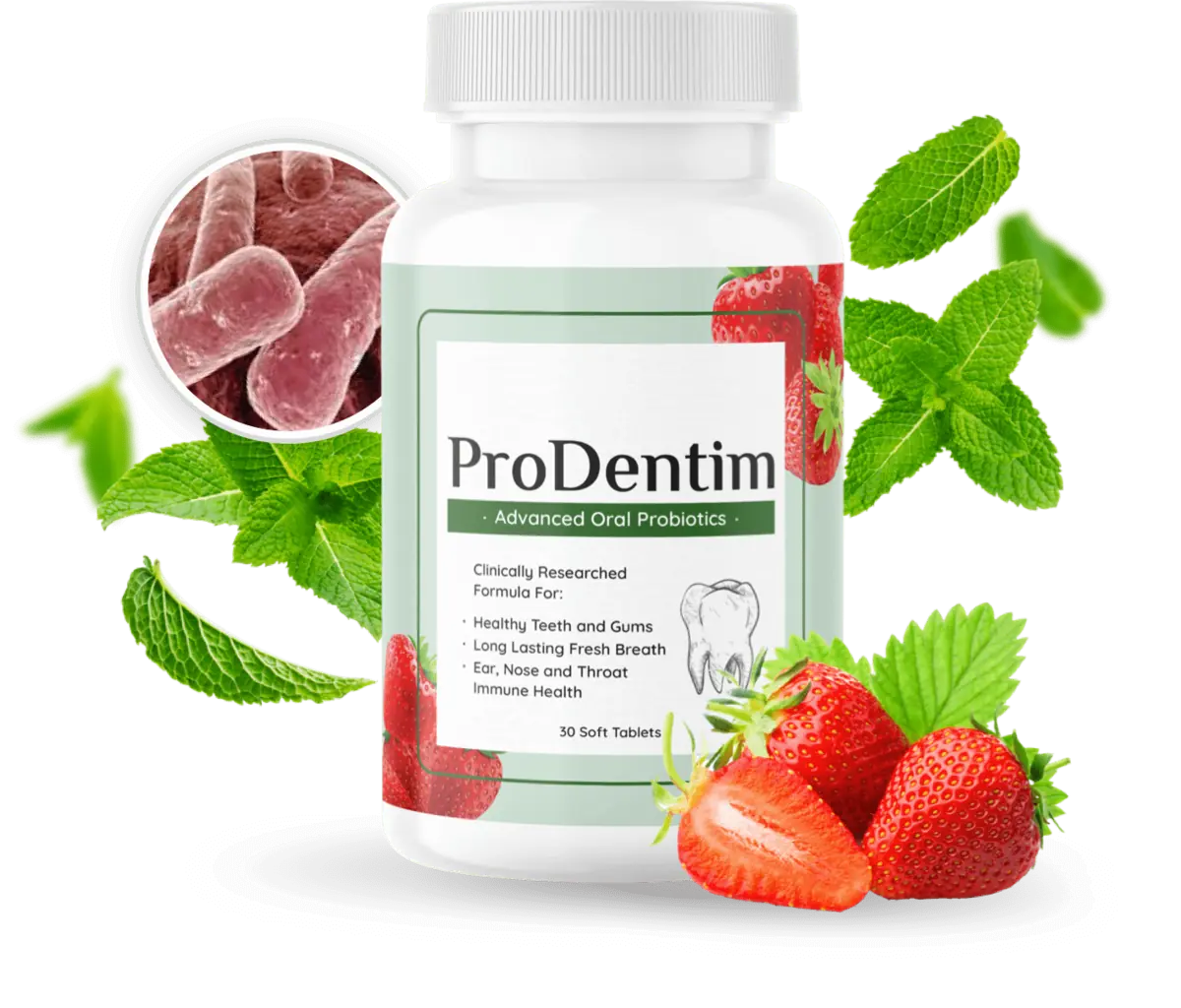
What Are the Main ProDentim Ingredients?
The current seller presentation names three probiotic organisms—Lactobacillus paracasei, Bifidobacterium animalis subsp. lactis BL-04, and Lactobacillus reuteri—along with inulin, malic acid, tricalcium phosphate, and peppermint. It represents the probiotic portion as a combined 3.5 billion organisms or CFU.
The formula is plausible as an oral-probiotic concept, but the accessible presentation does not show how the 3.5 billion total is divided among the organisms. It also does not provide a strain code for the two Lactobacillus entries. That matters because probiotic findings are strain-specific: research on one named strain cannot automatically validate an unnamed strain from the same species.
ProDentim Ingredient List and Evidence Snapshot
| Listed component | What is disclosed | Why it may be included | Evidence fit for ProDentim |
|---|---|---|---|
| L. paracasei | Species named; strain code not shown | Oral-microbiome support | Low and indirect because strain identity is missing |
| B. lactis BL-04 | Strain designation shown | Probiotic support | Precisely named, but direct dental evidence is limited |
| L. reuteri | Species named; strain code not shown | Studied in some periodontal settings | Selected strains have research; transfer to ProDentim is uncertain |
| Inulin | Listed; individual amount not shown | Prebiotic substrate and formulation support | Mechanistically plausible; product-specific dental evidence absent |
| Malic acid | Listed; individual amount not shown | Flavor/acidity; seller connects it with appearance | Insufficient evidence for a ProDentim whitening claim |
| Tricalcium phosphate | Listed; individual amount not shown | Calcium-phosphate source/formulation role | Dental-material evidence does not establish this blend’s effect |
| Peppermint | Listed; individual amount not shown | Flavor and freshness perception | No product-level evidence for lasting breath or gum outcomes |
The seller presentation was checked on September 14, 2026. Confirm the physical Supplement Facts panel before publication or purchase if the manufacturer changes the formula.
What the 3.5 Billion Figure Does—and Does Not—Reveal
A combined total can describe the formula’s overall probiotic count, but it cannot show how much of each organism is present. For example, the total could be divided evenly or concentrated heavily in one organism; the public number alone cannot distinguish those possibilities. Arithmetic therefore cannot reconstruct the individual doses.
The number also does not answer whether potency is measured at manufacture or guaranteed through shelf life, how storage affects viability, or whether the organisms remain viable after shipping. Those questions normally require the complete label, stability specifications, and manufacturer documentation.
Why strain codes matter
“Lactobacillus reuteri” identifies a species, not a specific tested strain. Two strains within the same species can differ in survival, adherence, metabolite production, and clinical results. If a study tested a DSM-coded strain, it supports that study material under those conditions; it does not automatically establish the performance of every L. reuteri ingredient.
Finished-product evidence remains the missing step
Ingredient research is useful for biological plausibility. The stronger question is whether this exact combination, in its marketed amounts and chewable format, produces meaningful outcomes in people. We did not identify a published randomized controlled trial of the finished ProDentim formula. That gap limits any claim that the complete formula is clinically proven.
ProDentim Probiotic Ingredients, Examined Individually
Lactobacillus paracasei
Evidence fit: low/indirect
L. paracasei is a probiotic species studied in several health contexts, including exploratory oral-health applications. Some named strains have been evaluated for effects involving cariogenic bacteria or periodontal markers. However, a species name is not enough to map those findings directly onto ProDentim. The seller’s accessible presentation does not identify the L. paracasei strain or its individual CFU allocation.
The defensible interpretation is that the species gives the formula a plausible research rationale. It is not evidence that ProDentim produces the same outcome as a trial using a different, precisely identified strain, dose, population, and duration.
Bifidobacterium lactis BL-04
Evidence fit: low/indirect for oral outcomes
BL-04 is the most precisely identified probiotic in the seller’s list. That improves traceability compared with a species-only entry. Yet much of the better-known BL-04 literature concerns immune or respiratory outcomes rather than direct dental endpoints. A strain name is valuable, but it does not replace relevant clinical evidence for the claims being assessed.
For an oral-health review, the right question is not merely whether BL-04 has been studied somewhere. It is whether comparable research tested oral outcomes, a similar delivery format, a comparable dose, and an appropriate duration. The accessible evidence does not establish that the BL-04 portion of ProDentim improves teeth or gums.
Lactobacillus reuteri
Selected strains: moderate; ProDentim fit: low/indirect
L. reuteri is among the more frequently studied probiotic species in periodontal research. Systematic reviews have reported mixed but potentially favorable results when certain strains were used as adjuncts to professional periodontal care. Outcomes vary by strain pair, dose, lozenge or tablet format, treatment duration, baseline condition, and concurrent dental treatment.
That is more encouraging than having no relevant research at all, but it still does not validate ProDentim directly. The seller does not show which L. reuteri strain is used. Trials of named commercial strains should therefore be described as category or strain-level evidence, not proof of this finished supplement.
Supporting ProDentim Ingredients
Inulin
Inulin is a fermentable prebiotic fiber commonly used to support probiotic organisms or provide formulation benefits. Its presence makes mechanistic sense, but the seller presentation does not disclose its individual amount. In sensitive users, inulin can contribute to gas, bloating, cramping, or changes in bowel habits. Those effects are gastrointestinal, not evidence that the product is “detoxing.”
Malic acid
Malic acid contributes tartness and may be used for flavor or formulation. The seller associates strawberry-derived malic acid with tooth appearance, but we did not locate a clinical trial showing that ProDentim whitens teeth. Acids can interact with enamel depending on pH, concentration, contact time, saliva, and the total formulation. Without product-specific measurements, it would be inaccurate either to promise whitening or declare that the marketed tablet causes erosion.
Tricalcium phosphate
Calcium-phosphate compounds have legitimate applications in dental materials and remineralization research. But evidence for a professionally formulated topical dental material cannot be transferred automatically to an undisclosed amount in a chewable supplement. The delivery system, contact time, particle form, concentration, and surrounding ingredients all influence performance.
Peppermint
Peppermint most clearly supports flavor and a temporary perception of freshness. Laboratory findings involving peppermint constituents do not demonstrate that the amount in ProDentim treats persistent bad breath, gum disease, or infection. Persistent breath changes deserve a dental or medical evaluation because flavoring can mask a symptom without addressing its cause.
ProDentim Ingredient Image Guide



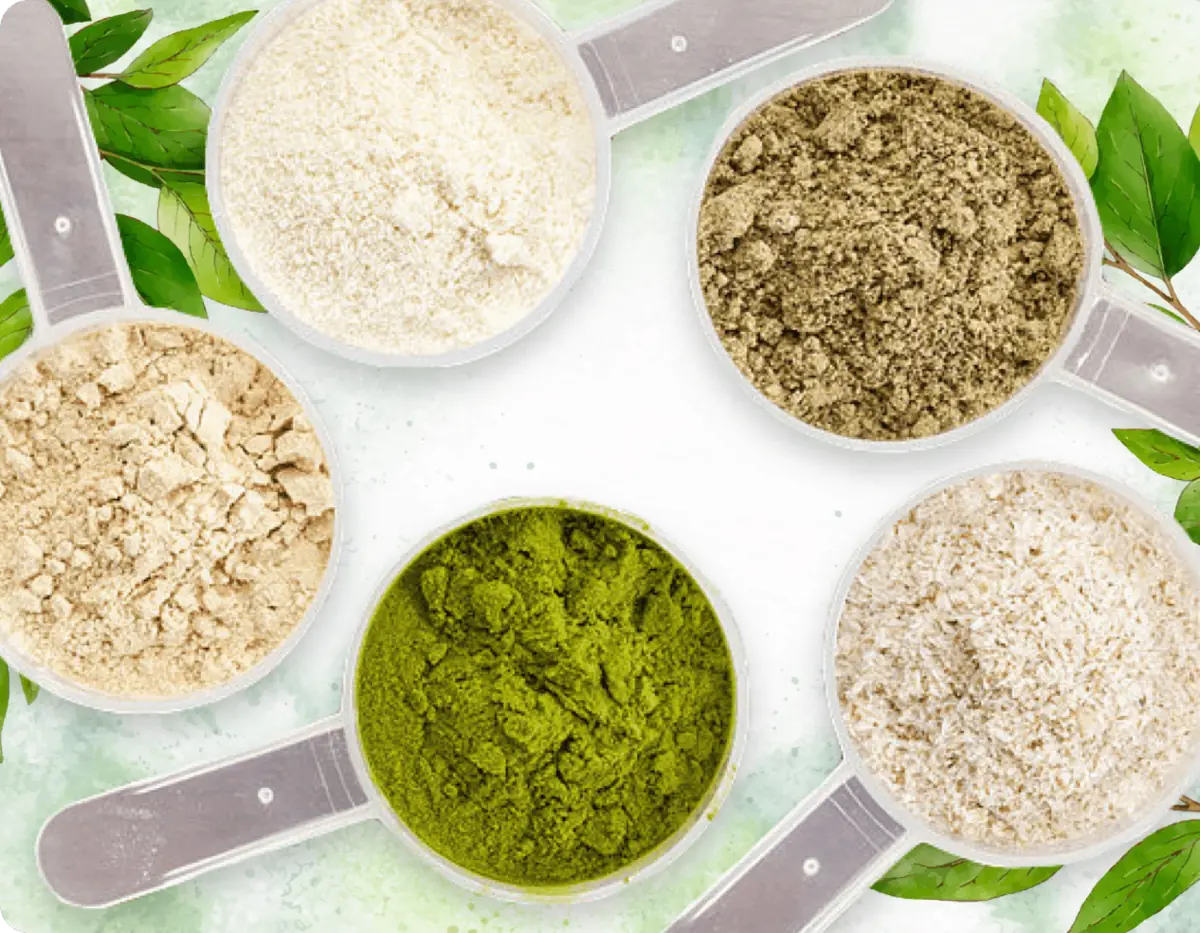
These visuals identify listed components. They do not verify ingredient quantity, purity, viability, bioavailability, or effectiveness.
Ingredient Questions to Resolve Before Buying
A supplement facts image should be treated as the primary label record, while seller copy is a commercial description. Before buying, compare the current checkout product, bottle label, serving instructions, allergen statement, other ingredients, storage directions, lot information, and expiration details. If any source disagrees, use the physical label and ask the seller for clarification.
- Are all probiotic strain codes disclosed, and is potency guaranteed through expiration?
- How is the 3.5 billion total divided among the named organisms?
- Are the amounts of inulin, malic acid, tricalcium phosphate, and peppermint disclosed?
- Does the full label identify sweeteners, flavors, allergens, or processing aids not highlighted in sales copy?
- What temperature and humidity limits apply during storage and shipping?
Healthy adults often tolerate probiotic products, but suitability is individual. People who are pregnant or breastfeeding, immunocompromised, seriously ill, preparing for surgery, giving a supplement to a child, or taking medicines should ask an appropriate clinician before use. Stop and seek timely help for signs of a severe allergic reaction or other serious symptoms.
How We Assessed the Formula
We inspected the seller’s text presentation, recorded the named organisms and supporting ingredients, separated species names from strain codes, and compared the claims with reviews and trials concerning oral probiotics. We looked for evidence relevant to the exact organism, oral outcome, dose, format, and duration. We did not personally test the supplement, verify laboratory certificates, or identify a randomized trial of the complete ProDentim formula.
Commercial and formula details were last checked September 14, 2026. Seller claims were treated as claims unless independently supported. Corrections, a revised Supplement Facts panel, new strain disclosure, or a finished-product clinical study should trigger an update.
Read the FitnessLifeMag Editorial Methodology, Sources Policy, and Affiliate Disclosure.
Key references
- ProDentim seller text presentation — formula and serving representations; accessed September 14, 2026.
- Probiotics for oral health: a critical evaluation of bacterial strains, Frontiers in Oral Health, 2024.
- Probiotics as an adjunctive therapy in periodontitis, systematic review and meta-analysis, Scientific Reports, 2024.
- NIH Office of Dietary Supplements: Probiotics—Health Professional Fact Sheet.
- FDA 101: Dietary Supplements.
ProDentim Ingredients FAQs
What probiotics are listed in ProDentim?
The seller presentation lists Lactobacillus paracasei, Bifidobacterium animalis subsp. lactis BL-04, and Lactobacillus reuteri. BL-04 is strain-identified; the two Lactobacillus entries are not shown with strain codes.
Does ProDentim disclose the amount of every ingredient?
Not on the accessible seller presentation we reviewed. It represents a combined 3.5 billion probiotic count but does not show the allocation per organism or individual amounts for the supporting ingredients.
Are ProDentim ingredients clinically proven?
Some listed probiotic species or specific strains have been studied independently. That is not the same as clinical proof for the complete ProDentim formula, and we did not identify a randomized trial of the finished product.
Can malic acid whiten teeth?
The seller links malic acid with tooth appearance, but we did not locate product-specific clinical evidence showing that ProDentim whitens teeth. Whitening should not be presented as an established result.
Why does the L. reuteri strain matter?
Probiotic effects can be strain-specific. Results from a study using a named L. reuteri strain cannot automatically be attributed to an L. reuteri ingredient whose strain code is not disclosed.
Can ProDentim replace brushing or dental treatment?
No. It is a dietary supplement and should not replace routine oral hygiene, fluoride toothpaste, professional dental care, or evaluation of persistent symptoms.
Ingredient Verdict: Plausible, but Not Fully Transparent
ProDentim’s ingredient list is not random: oral probiotics are an active research area, L. reuteri has relevant strain-specific literature, and inulin has a reasonable prebiotic role. The limitation is the distance between that general rationale and this finished formula. Missing strain codes, undisclosed individual allocations, and the absence of a located finished-product trial prevent a high-confidence conclusion.
A careful buyer should view the formula as a possible adjunct—not a proven dental treatment—and verify the current physical label before purchase. The most valuable improvement the seller could make would be full strain identification, per-organism amounts, potency-through-expiration information, and published testing of the complete product.
Educational information only: ProDentim is a dietary supplement. This page is not a substitute for professional evaluation, diagnosis, or treatment of an oral-health condition or any other health condition.
Explore ProDentim by Topic
Continue with the guide that matches your next question. Find detailed answers about effectiveness, safety, pricing and buying decisions in the guides below.
Swipe to explore more topics →
ProDentim Review
The complete evidence-led verdict and buyer overview.
Read the pillar review →Does ProDentim Work?
Finished-product evidence, mechanisms and realistic outcomes.
Examine effectiveness →Side Effects & Safety
Possible reactions, interactions and higher-risk groups.
Review safety →Reviews & Complaints
Independent signals, seller testimonials and fulfillment issues.
Assess feedback →Price & Refund
Bundle math, shipping and guarantee conditions.
Check cost and terms →Where to Buy
Seller identity, marketplaces and checkout verification.
Verify the seller →Legit or Scam?
Product, transaction, evidence and marketing assessed separately.
Inspect legitimacy →How to Take ProDentim
Label-first serving, routine, storage and tracking.
Read the usage guide →ProDentim Alternatives
Compare options by strains, evidence, format and cost.
Compare alternatives →