
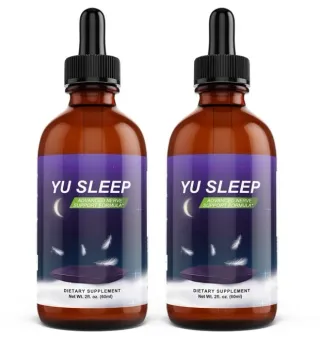
Formula source note: the seller lists 0.9 mg melatonin. The 0.5 mg B2/B6 and 637 mg blend figures are reported by secondary label analyses; a current complete manufacturer panel was not independently authenticated. Compare your bottle with the formula-source record before relying on those figures.
Yu Sleep Alternatives: The Short Answer
Yu Sleep combines vitamins B2 and B6, 0.9 mg melatonin and seven ingredients inside a 637 mg proprietary blend. That breadth may appeal to someone who wants a liquid all-in-one formula, but it also makes dose comparison, interaction review and attribution more difficult. A simpler alternative can be preferable when the goal is to test one mechanism at a time.
The alternative should follow the sleep problem. Circadian timing is different from stress-related wind-down, chronic insomnia, restless legs, pain or sleep-disordered breathing. Switching bottles without identifying the target can repeat the same mismatch under a new brand name.
Best-option rule: choose by problem, evidence, label transparency and safety—not by the longest ingredient list or strongest bedtime promise.
Yu Sleep vs Major Alternative Approaches
| Approach | Potential advantage | Main limitation |
|---|---|---|
| Yu Sleep multi-ingredient liquid | One liquid serving combines several pathways | Seven individual blend doses undisclosed |
| Single-ingredient melatonin | Clearer dose and easier attribution | Timing matters; not a universal insomnia solution |
| Single-ingredient magnesium | Simpler label and form comparison | Benefit is not guaranteed and relevance may depend on context |
| Single botanical or L-theanine product | Fewer variables than a broad blend | Evidence varies by extract, dose and outcome |
| Behavioral sleep program or CBT-I | Addresses habits and thoughts sustaining insomnia | Requires effort and access; not an instant sedative |
| Professional sleep evaluation | Can investigate an underlying disorder | Requires clinical access and follow-through |
Simpler Supplement Alternatives
Clearly labeled low-dose melatonin
A single-ingredient melatonin product with a disclosed amount can be easier to evaluate when circadian timing or sleep onset is the specific target. It removes the uncertainty created by 5-HTP, GABA, herbs and magnesium sharing a blend. It still may cause drowsiness, headache, dizziness or vivid dreams and can interact with medicines; simpler does not mean risk-free.
Single-ingredient magnesium
A magnesium-only product lets buyers compare the chemical form, elemental amount and label more directly. However, evidence is not a promise of benefit for every sleeper, and supplemental magnesium may cause gastrointestinal effects or be unsuitable in some medical contexts. Avoid assuming that “glycinate” guarantees superior sleep.
One calming ingredient at a time
L-theanine, lemon balm, apigenin or other single-ingredient choices reduce the number of moving parts. The label should identify the exact amount and standardized extract where relevant. Ingredient research must match the form, dose, population and outcome; marketing around a biological mechanism is not enough.
Evidence Checks Before Switching Supplements
The 2025 L-theanine review reports some subjective sleep improvements but limited pure L-theanine evidence. The oral GABA review found very limited sleep evidence. The 2024 magnesium review found small, heterogeneous studies, sometimes using other ingredients. None tests Yu Sleep at its undisclosed ingredient doses.
NHLBI identifies CBT-I as the usual first treatment for chronic insomnia. It is a structured treatment beyond generic sleep-hygiene advice. Choose assessment or treatment according to the sleep problem rather than assuming another supplement is a proven replacement.
Non-Supplement Yu Sleep Alternatives
A stable wake time, appropriate morning light, a consistent wind-down period, reduced late caffeine and an environment that is dark, quiet and comfortably cool can support sleep without adding ingredient exposure. These steps are not a cure-all, but they are easier to evaluate when changed deliberately rather than all at once.
For chronic insomnia, cognitive behavioral therapy for insomnia (CBT-I) is a structured evidence-based treatment that addresses sleep scheduling, stimulus control, unhelpful beliefs and related behaviors. It is not merely generic “sleep hygiene,” and it may be delivered in person, through telehealth or via validated programs depending on availability.
Good reasons to simplify
- You want transparent individual doses
- You need to identify what causes a reaction
- You already use overlapping supplements
- You prefer a non-supplement strategy
- You want to reduce ongoing cost
Do not self-manage indefinitely
- Persistent or worsening insomnia
- Loud snoring or breathing pauses
- Gasping or choking during sleep
- Severe daytime sleepiness
- Restless legs or unusual behaviors
When Evaluation Is the Better Alternative
A supplement comparison cannot diagnose obstructive sleep apnea, chronic insomnia, circadian disorders, medication effects, mood conditions or movement disorders. Loud snoring, witnessed breathing pauses, gasping, severe daytime sleepiness, near-miss driving events or persistent symptoms deserve professional evaluation.
Do not replace or stop prescribed sleep or mental-health medication to try an alternative supplement. Bring the complete ingredient list—including 5-HTP and melatonin—to a clinician or pharmacist so interaction and duplication risks can be reviewed.
How to Choose Among Yu Sleep Alternatives
- Define the target: timing, wind-down, awakenings or chronic insomnia.
- Check for symptoms that require clinical evaluation first.
- Prefer a complete label with exact amounts and recognizable manufacturer details.
- Compare evidence for the same ingredient form, dose and outcome.
- Review medicines, alcohol and other supplements for overlap.
- Change one variable at a time when professionally appropriate.
- Track both nighttime results and next-day alertness.
- Stop for concerning effects rather than escalating or stacking products.
Price belongs after suitability. A discounted six-month supply is not good value when the product is poorly matched or not tolerated. Likewise, a premium price does not establish stronger evidence.
Affiliate disclosure: We may earn a commission through the purchase link below, at no extra cost to you.
Yu Sleep Alternatives FAQs
What is the best Yu Sleep alternative?
There is no universal best option. The better alternative depends on whether the goal is circadian timing, a simpler ingredient list, behavioral insomnia treatment, evaluation of breathing symptoms or avoiding supplements entirely.
Is single-ingredient melatonin simpler than Yu Sleep?
Yes, a clearly labeled single-ingredient product reduces attribution and interaction complexity, but melatonin still requires appropriate timing and may not suit every sleep problem.
Is magnesium a proven replacement for Yu Sleep?
Not universally. Evidence and relevance vary with formulation, dose, nutritional status and sleep problem. A transparent label and professional advice are important.
Is CBT-I an alternative to sleep supplements?
Cognitive behavioral therapy for insomnia is an evidence-based treatment pathway for chronic insomnia and addresses behavioral and cognitive factors rather than acting as a supplement.
Should I combine several Yu Sleep alternatives?
Do not stack multiple sleep products casually. Combining ingredients can increase drowsiness, duplicate doses and obscure which item caused a benefit or adverse effect.
When should I seek a sleep evaluation?
Seek evaluation for persistent insomnia, loud snoring, breathing pauses, gasping, severe daytime sleepiness, restless legs or unusual nighttime behaviors.
Method and Sources
This guide compares approaches rather than awarding unsupported product rankings. It prioritizes problem matching, evidence distance, label transparency and safety. No named alternative brand is endorsed.