
Yu Sleep Ingredients: The Short Answer
The secondary formula analyses list ten active ingredients in a liquid serving. Three amounts are disclosed separately: vitamin B2 at 0.5 mg, vitamin B6 at 0.5 mg and melatonin at 0.9 mg. The remaining seven—red tart cherry juice concentrate, magnesium glycinate, apigenin, lemon balm extract, 5-HTP, L-theanine and GABA—appear within a proprietary blend totaling 637 mg.
The formula is not impossible or automatically ineffective. Several components have plausible roles in sleep timing, relaxation, nutrient support or neurotransmitter pathways. The central issue is evidence resolution: without individual blend doses, readers cannot determine how closely the product resembles successful studies, calculate elemental magnesium, evaluate extract equivalence or compare the combined exposure with another supplement.
This guide therefore evaluates three different questions separately: what the label discloses, what research on individual ingredients may suggest and what remains unknown about the finished Yu Sleep formula. It does not claim personal use or assign hidden doses.
Reported Yu Sleep Supplement Facts: Verification Limits
Source provenance: the amounts below come from the secondary label analyses linked under Method and Sources. We have not independently authenticated a current complete manufacturer Supplement Facts panel or tested a bottle. Treat 0.9 mg melatonin, 0.5 mg vitamins B2/B6 and the 637 mg blend as reported values, subject to verification against the actual bottle.
| Listed component | Amount shown | Transparency status |
|---|---|---|
| Vitamin B2 | 0.5 mg | Reported separate amount |
| Vitamin B6 | 0.5 mg | Individually disclosed |
| Melatonin | 0.9 mg | Individually disclosed |
| Red tart cherry juice concentrate | Not individually disclosed | Shares 637 mg blend |
| Magnesium glycinate | Not individually disclosed | Shares 637 mg blend |
| Apigenin | Not individually disclosed | Shares 637 mg blend |
| Lemon balm extract | Not individually disclosed | Shares 637 mg blend |
| 5-HTP | Not individually disclosed | Shares 637 mg blend |
| L-theanine | Not individually disclosed | Shares 637 mg blend |
| GABA | Not individually disclosed | Shares 637 mg blend |
Important distinction: a reported ingredient list describes the reviewed formula, not an evidence-aligned dose, a standardized extract or a meaningful finished-product outcome.
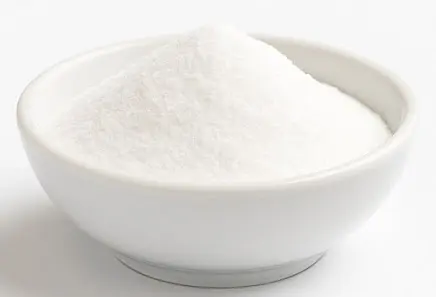
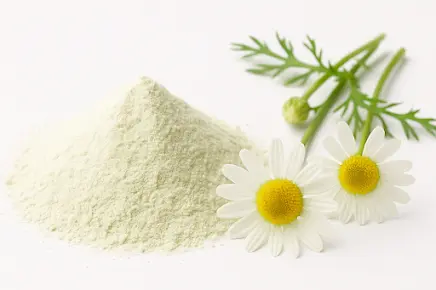
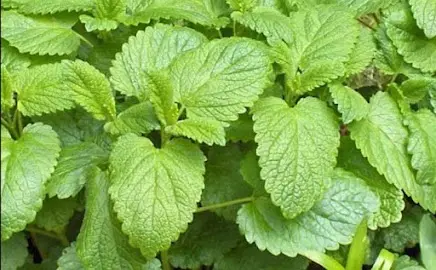
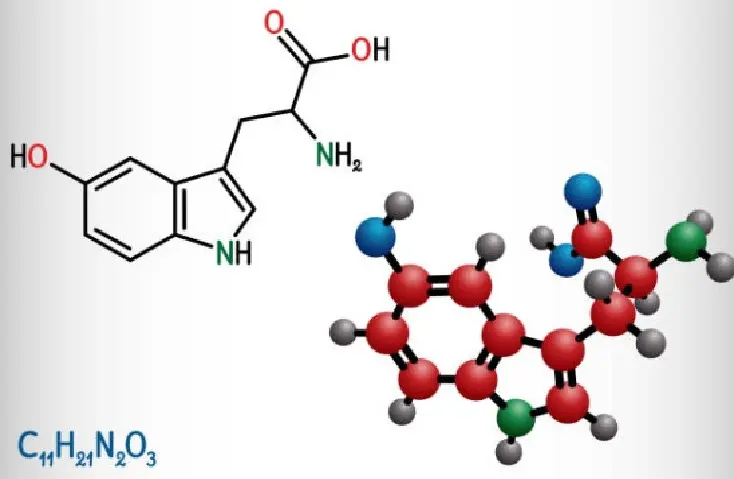
Yu Sleep Ingredient Visual Guide
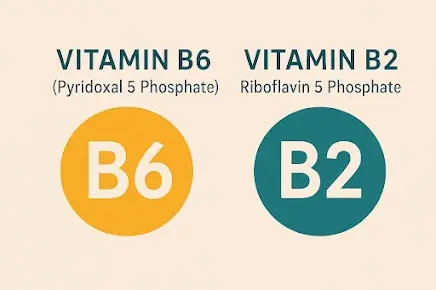
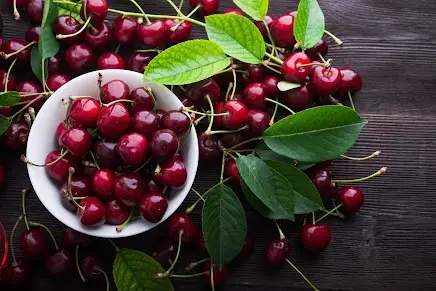
These WebP visuals identify the listed formula components. They do not reveal the undisclosed quantity or verify the purity of an ingredient in a particular bottle.
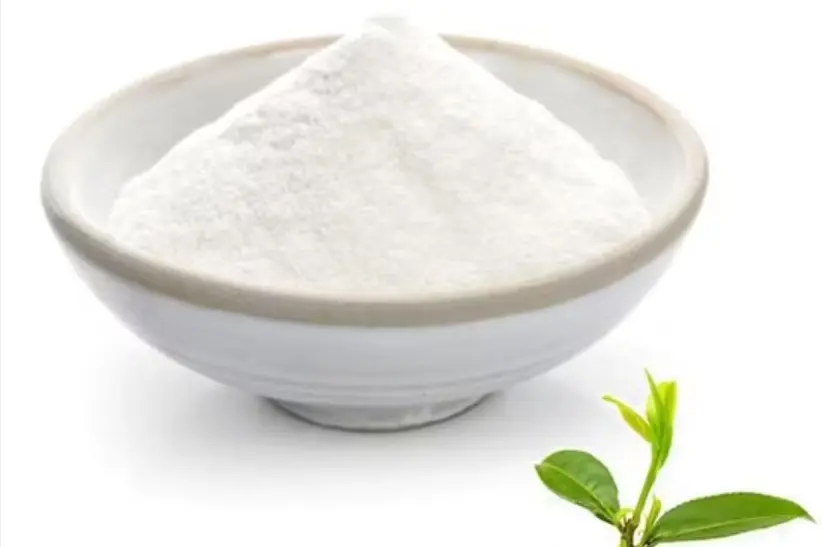
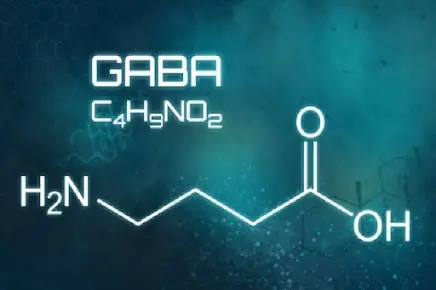
Yu Sleep Ingredient Studies: What Was Actually Tested?
These human studies inform ingredient research; none tested the current Yu Sleep bottle. Experimental amounts below are research details, not dosing advice.
| Ingredient and source | Human evidence | Limit for Yu Sleep |
|---|---|---|
| L-theanine — Bulman et al., 2025 | A review of 19 articles involving 897 participants found improvements in several subjective sleep outcomes. | Preparations varied; pure-theanine evidence and optimal dose remain uncertain. Yu Sleep’s individual amount is not established. |
| Magnesium — Rawji et al., 2024 | Five of eight sleep studies reported improvement. | Small, heterogeneous studies and other active ingredients limit confidence. Elemental magnesium cannot be calculated from a blend total. |
| Oral GABA — Hepsomali et al., 2020 | Fourteen placebo-controlled human studies were reviewed; evidence for sleep was very limited. | A calming mechanism does not establish reliable oral-supplement sleep benefits. |
| 5-HTP — Sutanto et al., 2024 | Thirty older adults were studied for 12 weeks using 100 mg daily versus no supplementation. Some sleep components improved, especially among poor sleepers. | The small single-blind study lacked a placebo comparator. It cannot establish effects of an undisclosed blend amount. |
| Melatonin — NIH NCCIH | Evidence depends on the sleep problem and timing; chronic-insomnia evidence is insufficient for a general treatment recommendation. | The reported 0.9 mg is not proof of product efficacy or long-term safety. |
Research conclusion: promising findings for some ingredients coexist with weak or indirect evidence for others. The exact formula, ingredient quantities, preparation and population must match before a study can support a finished-product claim.
What Can Fit Inside the 637 mg Proprietary Blend?
If the secondary-source figure matches your current bottle, the blend’s seven ingredients must add up to 637 mg in the listed serving. That reported total produces a mathematical boundary: the seven ingredients cannot each be present at 637 mg. It also means that a competitor review cannot fairly compare every component with a full single-ingredient research dose unless the individual amounts are disclosed elsewhere.
The total does not show how the blend is divided. One component might occupy most of the weight, or the distribution could be more even. Extract concentration can also complicate simple milligram comparisons. The correct finding is that direct dose matching is unavailable—not that every ingredient must be ineffective.
| What the 637 mg total tells us | What it does not tell us |
|---|---|
| All seven blend ingredients share a finite combined amount. | The amount of any one ingredient. |
| Seven separate 637 mg doses are impossible within the same listed blend. | Which ingredient occupies the largest share. |
| Precise study-dose comparison is limited. | Extract concentration, purity or batch potency. |
| Interaction review should consider the whole formula. | Whether the combination produces a clinically meaningful result. |
Melatonin: The Most Transparent Sleep-Timing Ingredient
Melatonin is a hormone involved in signaling biological night. Yu Sleep’s reported 0.9 mg amount is more informative than the hidden blend quantities because it allows a direct label-level discussion. Even so, dose alone does not determine the outcome. Timing, circadian phase, light exposure, age, individual sensitivity and the reason for poor sleep all influence response.
Melatonin evidence is stronger for certain sleep-timing problems than for a broad promise of deeper or uninterrupted sleep in everyone. A relatively modest amount may reduce the assumption that more must be better, but it does not remove possible next-day drowsiness, vivid dreams, headache, dizziness or medication questions. The current label remains the authority if the formula changes.
Magnesium Glycinate, Vitamin B6 and Vitamin B2
Magnesium glycinate
Magnesium participates in many physiological processes and is often marketed for muscle relaxation and sleep. The label name “magnesium glycinate” is not enough to calculate elemental magnesium. The compound weight and elemental magnesium amount are different concepts, and the proprietary blend does not disclose either one individually. Benefit may also depend on baseline magnesium status.
Vitamin B6
Vitamin B6 participates in amino-acid and neurotransmitter metabolism. Secondary label analyses list 0.5 mg separately, which improves transparency. Its inclusion does not establish that it independently improves insomnia or that it amplifies every other ingredient.
Vitamin B2
Riboflavin supports normal energy metabolism. The disclosed 0.5 mg amount is a reported label amount, but vitamin B2 should not be framed as a stand-alone sedative or direct proof of sleep improvement.
Tart Cherry, Apigenin and Lemon Balm
Red tart cherry juice concentrate
Tart cherry products have been studied in sleep and recovery settings, but juice, concentrate, powder and standardized extract are not interchangeable. Sugar content, serving size, processing and active-compound concentration can vary. Because Yu Sleep does not disclose the individual concentrate quantity in the blend, published serving comparisons remain uncertain.
Apigenin
Apigenin is a flavonoid found in plants including chamomile. Mechanistic and preclinical findings help explain its appearance in calming formulas, but they do not establish a meaningful result from an undisclosed amount in the finished product. Human evidence must match the form, dose, population and measured outcome.
Lemon balm extract
Lemon balm has traditional use and some human research related to calm, stress and sleep-associated outcomes. Extract standardization is important: two products labeled “lemon balm” may not deliver comparable preparations. The word “extract” without the individual amount and standardization details limits direct comparison.
5-HTP, L-Theanine and GABA
5-HTP
5-hydroxytryptophan is a precursor in serotonin-related pathways. That mechanism makes it relevant to both efficacy hypotheses and medication safety. People taking antidepressants or other serotonergic drugs should not assume that an undisclosed amount is too small to matter. Product-specific professional advice is more reliable than generic reassurance.
L-theanine
L-theanine is studied in relation to relaxation, stress responses and some sleep outcomes. Results from a known single-ingredient dose cannot be transferred directly to a multi-ingredient product with an undisclosed theanine amount. It may contribute to the formula’s rationale, but contribution is not the same as confirmed effect.
GABA
GABA is an inhibitory neurotransmitter and a common calming-supplement ingredient. Questions remain about how oral GABA relates to central effects and which outcomes are dependable. Its presence is a biological rationale, not proof that the current liquid will reliably induce sleep.
Botanical Evidence Requires Preparation Matching
The 2024 lemon-balm study tested a specific phytosome preparation in a placebo-controlled crossover design. That preparation does not establish effects of an unspecified extract in Yu Sleep. The tart-cherry pilot had eight completers and tested juice rather than these drops.
The apigenin review draws substantially on animal, mechanistic and chamomile-extract evidence; dietary associations do not demonstrate that isolated apigenin treats insomnia. The B6 sleep-and-dreaming trial is not proof of a sleep benefit from this product’s reported amount. B2’s metabolic role likewise does not establish a clinical sleep outcome.
Ingredient Interactions and Who Should Be Cautious
A multi-ingredient formula deserves a combined review, even when individual amounts are hidden. Melatonin and calming ingredients may increase drowsiness when combined with alcohol, sedatives or other sleep aids. 5-HTP raises specific concerns with serotonergic medicines. Magnesium can also affect the timing or absorption of some medications, depending on the product and dose.
- Ask a clinician or pharmacist about medication combinations.
- Avoid driving or operating machinery if drowsy.
- Do not increase the serving to compensate for an uncertain first response.
- Pregnant or breastfeeding people, children and people with ongoing conditions need individualized guidance.
- Seek evaluation for persistent insomnia, breathing pauses, severe daytime sleepiness or unusual nighttime behavior.
What the Yu Sleep Formula Can and Cannot Establish
| Reasonable conclusion | Conclusion to avoid |
|---|---|
| The formula contains familiar sleep-support ingredients. | The product is clinically proven because its ingredients have studies. |
| Secondary sources report a 0.9 mg melatonin amount. | The complete formula will work within a specific number of minutes. |
| Seven ingredients share 637 mg. | Every ingredient matches a successful research dose. |
| Some users may report benefit. | Testimonials establish typical results. |
| The liquid format may be convenient. | Liquid delivery guarantees superior absorption or outcomes. |
How to Verify the Formula Before Buying
- Compare the current sales page with the Supplement Facts image.
- Confirm serving size, bottle volume and servings per container.
- Check whether the 637 mg total and ingredient order remain unchanged.
- Look for individual amounts, extract standardization and elemental magnesium information.
- Save a dated screenshot of the label and checkout terms.
- Compare the physical bottle received with the listing before opening it.
- Ask a pharmacist about relevant medication or supplement overlap.
How Strong Is the Evidence for the Complete Ingredient Combination?
A formula should not receive the evidentiary reputation of its best-known ingredient. Melatonin research can inform a melatonin discussion, and an L-theanine study can inform an L-theanine discussion, but neither automatically tests the interaction, absorption, timing or combined effect of all ten Yu Sleep ingredients. The closest evidence would be a well-designed human trial using the exact current liquid, serving and Supplement Facts panel.
When reading a study, compare at least five details with the product: ingredient form, individual amount, serving schedule, study population and measured outcome. A trial in people with a specific circadian problem may not answer whether the formula reduces ordinary stress-related waking. A study using a standardized botanical extract may not match a juice concentrate. Research using a known elemental magnesium quantity cannot be directly mapped to an undisclosed amount of magnesium glycinate.
Combination formulas can theoretically produce additive, overlapping or unexpected effects, so the absence of a full matching dose does not settle the question in either direction. It means the finished-product conclusion must remain more cautious than the ingredient summaries. Until reliable exact-formula evidence is available, the strongest support for Yu Sleep is a plausible formulation rationale—not proof of a predictable clinical result.
Affiliate disclosure: We may earn a commission through the purchase link below, at no extra cost to you.
Check the current label before ordering
Verify the ingredient list, serving directions, bottle size, seller and return terms on the current offer.
Yu Sleep Ingredients FAQs
What are the ingredients in Yu Sleep?
The researched formula lists vitamin B2, vitamin B6, melatonin, red tart cherry juice concentrate, magnesium glycinate, apigenin, lemon balm extract, 5-HTP, L-theanine and GABA.
How much melatonin is in Yu Sleep?
The current researched label signal lists 0.9 mg per serving. Verify the physical label because formulas can change.
What does the 637 mg proprietary blend contain?
It combines red tart cherry concentrate, magnesium glycinate, apigenin, lemon balm extract, 5-HTP, L-theanine and GABA. Their individual amounts are not disclosed.
Does Yu Sleep disclose every ingredient dose?
No. The amounts of vitamins B2 and B6 and melatonin are listed separately, while seven ingredients share one combined proprietary-blend amount.
Is the magnesium amount known?
No individual magnesium glycinate or elemental magnesium amount was identified in the researched proprietary-blend disclosure.
Can Yu Sleep ingredients interact with medication?
Yes, interactions may be relevant. 5-HTP deserves particular caution with serotonergic medication, while melatonin and calming ingredients may matter with alcohol, sedatives or other sleep products.
Method and Sources
This analysis separates label disclosure from ingredient research and finished-product evidence. No personal product test is claimed. Formula figures are secondary-source reports; study links are primary research or NIH guidance. Label authentication, batch testing and hands-on use were not performed.