
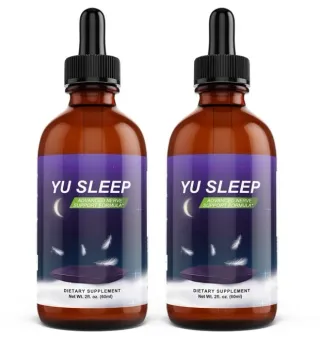
Formula source note: the seller lists 0.9 mg melatonin. The 0.5 mg B2/B6 and 637 mg blend figures are reported by secondary label analyses; a current complete manufacturer panel was not independently authenticated. Compare your bottle with the formula-source record before relying on those figures.
Yu Sleep Side Effects: The Short Answer
Possible Yu Sleep side effects may include next-day sleepiness, headache, dizziness, nausea, vivid dreams and stomach discomfort. That list is a cautious ingredient-based assessment, not a measured incidence rate for the finished product. We did not identify a reliable published human trial of the exact current Yu Sleep formula that reports how often adverse events occur.
The label information available for this review lists vitamin B2, vitamin B6 and 0.9 mg melatonin separately. Red tart cherry concentrate, magnesium glycinate, apigenin, lemon balm extract, 5-HTP, L-theanine and GABA share a 637 mg proprietary blend. Because the seven individual quantities are not shown, an outside reviewer cannot calculate exposure to 5-HTP, magnesium or the calming ingredients—or compare each amount confidently with safety data.
Important distinction: “No reported problem” is not the same as “proven safe.” Supplements can have side effects, interactions and quality differences even when their ingredients are marketed as natural.
Possible Yu Sleep Side Effects by Symptom
A multi-ingredient sleep product makes attribution difficult. If someone experiences a reaction, the cause could be one ingredient, a combination, an interaction, the serving, timing, product quality or an unrelated condition. The following table describes plausible issues to monitor; it does not predict what any individual will experience.
| Possible effect | Why it matters | Practical response |
|---|---|---|
| Next-day drowsiness or reduced alertness | Melatonin and multiple calming ingredients may have additive effects in some users. | Do not drive or operate machinery when impaired; review timing and suitability. |
| Headache or dizziness | Both are nonspecific and can also reflect dehydration, poor sleep or another cause. | Stop if significant or recurring and seek individualized advice. |
| Vivid dreams or unusual sleep experience | Melatonin-related sleep changes are sometimes reported, but vivid dreams do not prove better sleep. | Track frequency and next-day function, not only dream intensity. |
| Nausea or digestive discomfort | 5-HTP, magnesium and other ingredients can be relevant to gastrointestinal tolerance. | Avoid increasing the serving; stop for persistent or severe symptoms. |
| Restlessness, agitation or unusual mood change | This requires more caution where serotonin-affecting medicines or substances are involved. | Stop use and obtain prompt professional guidance. |
| Allergic reaction | Any ingredient or inactive component could theoretically trigger sensitivity. | Urgent help is appropriate for breathing trouble or facial/throat swelling. |
Next-morning impairment is an outcome—not a minor inconvenience
A sleep supplement should be evaluated by both nighttime and daytime effects. Falling asleep sooner is not a net benefit if morning alertness, balance, driving safety or work performance becomes worse. Users should allow a full sleep opportunity and avoid treating grogginess as proof that a product is “working strongly.”
Vivid dreams are not evidence of deeper sleep
Dream recall varies with awakenings, sleep stage and expectation. A memorable dream may be an experience worth noting, but it does not demonstrate improved sleep architecture or recovery. If dreams are disturbing, recurrent or paired with impaired daytime function, reassessment is reasonable.
Safety sources: NIH NCCIH lists melatonin-associated sleepiness, headache, dizziness and nausea; long-term safety is uncertain. MSK’s 5-HTP guidance advises medical supervision with serotonin-affecting medicines. These sources concern ingredients, not measured Yu Sleep adverse-event rates.
Yu Sleep Drug and Supplement Interactions
The most important safety question is often not whether an ingredient is tolerated alone, but whether the complete formula fits a person’s medicines, supplements, alcohol use and health conditions. Online interaction lists are screening tools, not personalized clearance.
5-HTP and serotonin-affecting medicines
Yu Sleep lists 5-HTP within its proprietary blend. 5-HTP is involved in serotonin synthesis, so combining it with antidepressants or other serotonin-affecting agents deserves professional review. Relevant categories can include SSRIs, SNRIs, MAO inhibitors, some migraine medicines, tramadol, dextromethorphan, St. John’s wort and other serotonergic products. This is not a complete list, and the undisclosed 5-HTP amount does not remove the concern.
Potential serotonin-toxicity symptoms can include agitation, confusion, sweating, diarrhea, tremor, muscle rigidity, fever or a rapid heart rate. Such symptoms require prompt medical attention rather than an attempt to troubleshoot the supplement at home.
Sedatives, alcohol and other sleep products
Alcohol, prescription sedatives, sedating antihistamines, cannabis and other sleep supplements may compound impairment. Even if no formal interaction study exists for Yu Sleep, stacking substances that affect alertness is not a sensible self-experiment. A pharmacist can check a complete list more reliably than evaluating each item from memory.
Melatonin-related medication questions
Melatonin may be unsuitable or require review in people using anticoagulants, seizure medicines, diabetes medicines, blood-pressure medicines, immunosuppressants or other therapies, depending on individual circumstances. The right decision depends on the person, medicine, dose and condition—not merely the 0.9 mg label amount.
Who Should Avoid Yu Sleep or Ask First?
Do not self-start without advice
- Pregnant or breastfeeding people
- Children or adolescents
- Anyone taking antidepressants or serotonergic agents
- People using sedatives or multiple sleep products
- Those with seizure, autoimmune, liver or complex medical conditions
- Anyone with a planned procedure who was told to review supplements
Questions to ask a pharmacist
- Does any ingredient overlap with my medicines?
- Could the combination increase drowsiness?
- When should I stop before a procedure?
- Are there condition-specific cautions?
- Which symptoms require urgent care?
- Is a single-ingredient option easier to assess?
Persistent insomnia, loud snoring, witnessed breathing pauses, gasping, severe daytime sleepiness, restless legs, unusual nighttime behavior or rapidly worsening sleep should lead to clinical evaluation rather than supplement escalation. A product cannot diagnose the reason sleep is poor.
When to Stop Yu Sleep and Seek Help
Stop use and obtain urgent care for trouble breathing, swelling of the face or throat, fainting, severe confusion, chest pain, a seizure, high fever with agitation or muscle rigidity, or another alarming reaction. Contact a qualified professional promptly for significant palpitations, persistent vomiting, severe dizziness, marked mood or behavioral change, or impairment that continues into the day.
For milder but repeated symptoms, pause the product and document the serving, time taken, other substances and symptoms. Do not restart simply to prove causation, and do not increase or decrease multiple products at once without guidance.
How to Reduce Avoidable Risk
- Read the current physical label. Online screenshots can be outdated, and formulas may change.
- Share the full ingredient list. Give a pharmacist or clinician every medicine, supplement and substance you use.
- Do not exceed the label. More drops do not guarantee more sleep and can increase exposure.
- Avoid unreviewed stacking. Do not casually combine it with alcohol, sedatives, antihistamines or other sleep aids.
- Allow enough sleep time. Do not take a sleep product shortly before driving, work or safety-sensitive activity.
- Track daytime function. Record alertness, balance, headache, digestion and mood as well as bedtime outcomes.
- Use traceable stock. Verify the seller, seal, lot information and return terms before use.
Is Yu Sleep Safe for Long-Term Use?
The available ingredient list does not establish the safety of taking the exact combined formula nightly for months or years. Finished-product duration data, adverse-event rates and individual blend doses were not identified. “No dependency claim” or customer reports should not be substituted for long-term controlled evidence.
If sleep problems persist, continuing indefinitely can also delay investigation of sleep apnea, chronic insomnia, mood conditions, medication effects, pain or circadian disruption. The relevant question is not only whether the drops seem tolerable, but whether ongoing use is appropriate and whether the underlying problem has been assessed.
Affiliate disclosure: We may earn a commission through the purchase link below, at no extra cost to you.
Yu Sleep Side Effects FAQs
What are the possible Yu Sleep side effects?
Possible effects may include next-day drowsiness, headache, dizziness, nausea, vivid dreams or digestive discomfort. The exact frequency is unknown because we did not identify a reliable trial of the finished formula.
Can Yu Sleep interact with antidepressants?
Yu Sleep lists 5-HTP, which raises a serotonergic-interaction concern. Anyone using an antidepressant or another serotonin-affecting medicine should ask a qualified clinician or pharmacist before use.
Can I take Yu Sleep with alcohol or another sleep aid?
Combining products or substances that impair alertness may increase drowsiness and other risks. Do not assume that a supplement is safe to combine; obtain individualized advice.
Is Yu Sleep safe during pregnancy or breastfeeding?
Safety of this multi-ingredient formula has not been established for pregnancy or breastfeeding. Avoid self-starting it and consult an appropriate healthcare professional.
Should I drive after taking Yu Sleep?
No one should drive or operate machinery if drowsy or impaired. Use only when a full sleep opportunity is available and follow the current label.
What should I do if I have a serious reaction?
Stop using the product and seek urgent medical help for trouble breathing, facial or throat swelling, fainting, severe confusion or other alarming symptoms.
Method and Sources
This guide separates known label facts from possible ingredient-level effects. It does not assign adverse-event frequencies without a finished-product trial and does not treat seller testimonials as safety evidence. Medication decisions require individualized professional review.