
Neuro Serge Ingredients: 6 Highlights and the Label Gap
Independent editorial analysis. Commercial links below may earn a commission.
Neuro Serge is marketed as a botanical brain-support capsule, but its ingredient highlights are not a complete quantified label. This page asks whether the formula can be identified and matched to research. The main Neuro Serge review owns the overall purchase decision, while this analysis concentrates on quantities, preparation identity, excipients and the questions a current label must answer.
| Highlight | What is disclosed | Amount | Standardization | Decision relevance |
|---|---|---|---|---|
| Olive leaf | A marketing name is listed. | Not disclosed. | Not established. | Ask for oleuropein and hydroxytyrosol. |
| Cinnamomum cassia | A marketing name is listed. | Not disclosed. | Not established. | Confirm species and extract specification. |
| Deglycyrrhizinated licorice | A marketing name is listed. | Not disclosed. | Not established. | Ask for residual glycyrrhizin. |
| Green tea extract | A marketing name is listed. | Not disclosed. | Not established. | Ask for caffeine and EGCG. |
| Grape seed extract | A marketing name is listed. | Not disclosed. | Not established. | Ask for procyanidin specification. |
| Bilberry extract | A marketing name is listed. | Not disclosed. | Not established. | Confirm fruit versus leaf and anthocyanins. |
| Other ingredients | A marketing name is listed. | Not disclosed. | Not established. | Complete declaration still needed. |
What the disclosed names can—and cannot—tell you
Neuro Serge ingredients are presented as six highlighted botanicals rather than a complete quantified panel. A separate 20+ ingredient claim and four-plant heading prevent treating that list as final. Because the total blend weight is also absent, calculating an average ingredient dose or a maximum possible mg ceiling would require invented inputs.
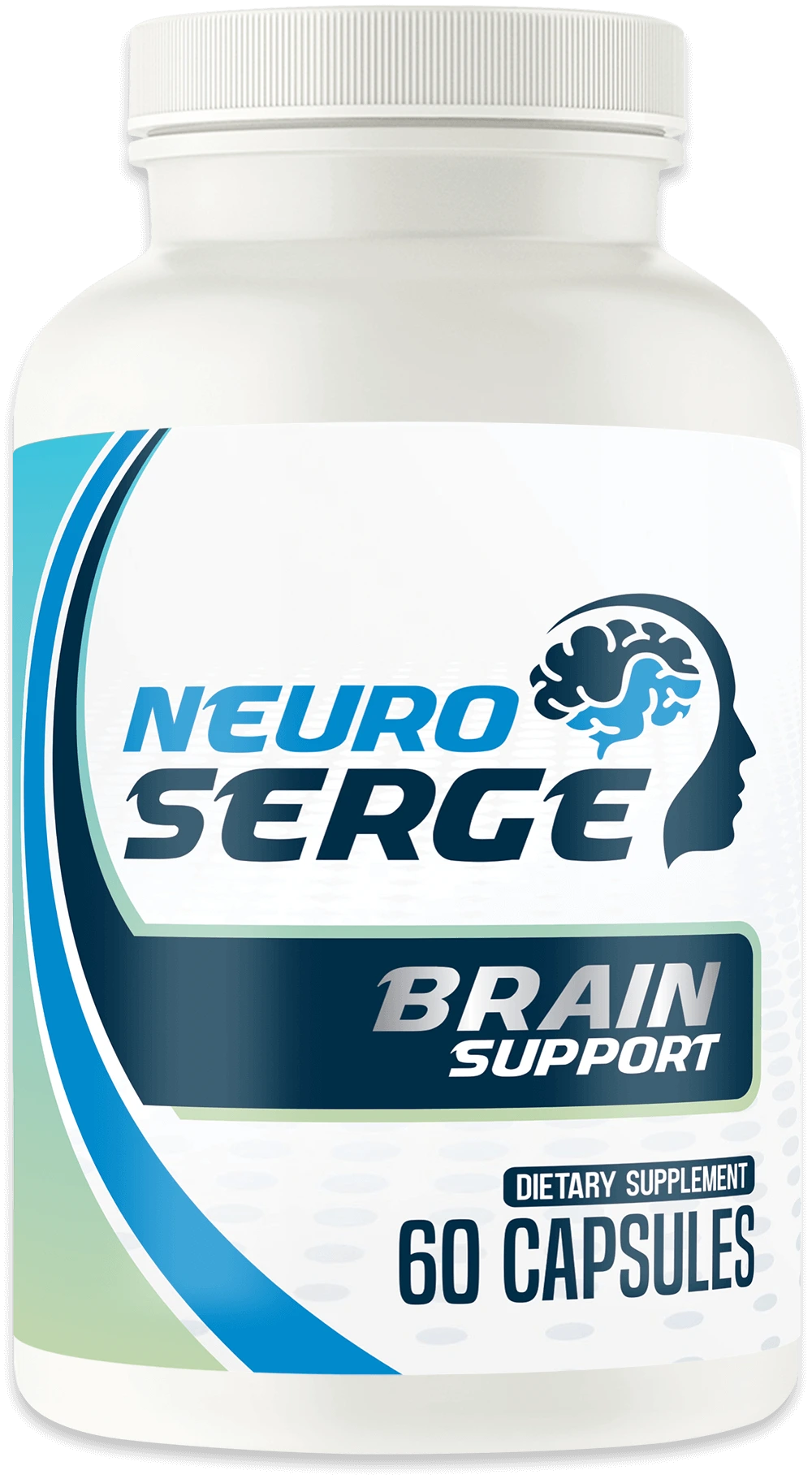
The useful first question is whether the seller can provide one current label that reconciles every active, serving and amount. A front-bottle image verifies branding and capsule count. It cannot reveal everything on the back panel. Ingredient order on a marketing page also need not be the legally declared order in a proprietary blend.
| Missing input | Why it matters | Acceptable next evidence |
|---|---|---|
| Total blend mg | Without a total, no theoretical ingredient ceiling can be calculated. | A complete current Supplement Facts panel. |
| Number of blend constituents | Six highlights cannot serve as the denominator for a claimed 20+ formula. | An ordered complete ingredient declaration. |
| Individual quantities | A name alone does not allow trial-dose matching. | Per-serving amounts or an explicit proprietary-blend declaration. |
If a total becomes available later, total mg divided by ingredient count describes only a mathematical average, not equal allocation. The total is merely a theoretical upper ceiling for any one ingredient. Neither calculation would prove that every constituent reaches an effective dose. Do not describe the current formula as underdosed or dose-matched without those inputs.
Preparation matching matters as much as milligrams
The closest ingredient studies use specific extracts, compounds or combinations. A 320 mg grape-seed procyanidin preparation cannot be exchanged for 320 mg of unspecified powder, and a 1,680 mg tea/theanine combination is not 1,680 mg of tea alone. Neuro Serge discloses neither equivalent preparation details nor quantities needed for that comparison.
| Highlighted name | Disclosed product amount | Human-study reference | Interpretation |
|---|---|---|---|
| Grape seed | Not located. | Li et al. (2023), 320 mg/day for six months. Li et al. (2023) PMID: 37389051 [1] | A relevant ingredient trial found no significant overall MoCA advantage. |
| Green tea | Not located. | Park et al. (2011), 1,680 mg/day combined preparation for 16 weeks. Park et al. (2011) PMID: 21303262 [2] | Theanine is part of the studied preparation; this is not a matched product trial. |
| Olive leaf | Not located. | de Bock et al. (2013), 51.1 mg oleuropein and 9.7 mg hydroxytyrosol daily. de Bock et al. (2013) PMID: 23516412 [3] | Component quantities describe a metabolic study, not a memory dose. |
Cassia cinnamon, DGL and bilberry complete the six marketing highlights. No matching memory-study regimen for those exact Neuro Serge preparations was established. NCCIH describes substantial uncertainty around cinnamon and bilberry benefits; that should discourage treating an ingredient name as a clinically proven cognitive intervention. NCCIH NIH source [4] NCCIH NIH source [5]
Botanical species, plant part and extraction method all belong in the matching exercise. “Grape” is not enough: grape juice, seed-derived procyanidins and mixed fruit preparations are different interventions. Likewise, isolated olive polyphenols cannot be equated with an unspecified mass of olive leaf. The full effectiveness analysis owns interpretation of trial results.
Inactive ingredients, allergens and quality claims
The complete inactive-ingredient and allergen declaration was not located. Sixty capsules on the front artwork does not establish gelatin versus plant cellulose, absence of fillers or suitability for a particular allergy. Seller statements about non-GMO or gluten-free status should be checked against the full current label and supporting product documentation before use.
Do not infer a vegan capsule from the presence of plants in the formula. The botanical ingredients and the capsule shell answer separate questions. Someone with a serious allergy needs the manufacturer’s complete declaration and cross-contact information, not a cropped front image or a general assurance from an affiliate review.
- Ask for every “other ingredient,” including the capsule shell and processing aids where applicable.
- Check caffeine and EGCG quantities separately rather than relying on a no-stimulant phrase.
- Request extract standardization, residual glycyrrhizin information for DGL and a current batch identifier.
- Distinguish a facility claim from independent verification of the finished batch.
An authentic certificate should identify the product or batch, laboratory, date, methods and relevant contaminants or potency results. A generic badge cannot supply those details. FDA manufacturing requirements and facility registration are regulatory matters, not a premarket endorsement of memory efficacy. FDA FDA source [6] No independent product certification was verified for this review.
Questions worth answering before the first capsule
A useful label review produces specific answers rather than a guessed regimen. Ask for the serving size, all quantities and extract specifications, then take that material to a pharmacist with your medicine list. The 60-capsule artwork and advertised 30-day bottle duration are insufficient to replace a numeric directions panel or individualized safety review.
- Which complete formula is being shipped now, and does it match the current offer?
- What is the explicit daily serving, and are there food or timing instructions?
- How much caffeine, EGCG, coumarin-relevant cassia material and residual glycyrrhizin are present?
- What evidence verifies identity and contaminant testing for that batch?
- Are any ingredients incompatible with my medicines, conditions or allergies?
Keep the answer in writing. If the seller supplies a panel with an ingredient not discussed here, reassess the entire safety screen before use. A newly visible ingredient is not a minor design change. The safety review explains the present cautions, while the ingredient library helps with terminology.
Questions specific to ingredients
The next questions focus on formula interpretation rather than buying terms. Six highlighted botanicals and 60-capsule artwork provide only part of the information needed to compare research. A complete current panel remains essential for quantities, extract specifications and other ingredients, and none of the arithmetic should become a substitute for verified directions.
Are the six highlighted ingredients the complete formula?
Can the blend average be calculated now?
Is green tea extract equivalent to the tea/theanine study?
Does a front label establish allergen safety?
Should I add single ingredients to match trial doses?
References
- Li et al. (2023). The effect of grape seed procyanidins extract on cognitive function in elderly people with mild cognitive impairment. Heliyon 9:e16994. PMID: 37389051
- Park et al. (2011). A combination of green tea extract and L-theanine improves memory and attention in subjects with mild cognitive impairment. J Med Food 14:334–343. PMID: 21303262
- de Bock et al. (2013). Olive leaf polyphenols improve insulin sensitivity in middle-aged overweight men. PLoS One 8:e57622. PMID: 23516412
- NCCIH. Cinnamon: Usefulness and Safety. Accessed October 30, 2026. NIH source
- NCCIH. Bilberry: Usefulness and Safety. Accessed October 30, 2026. NIH source
- FDA. Questions and Answers on Dietary Supplements. Accessed October 30, 2026. FDA source
Seller documents and offer checked October 30, 2026. Prices are advertised, not a completed checkout. Research comparisons are based on the cited abstracts and official health resources.