
Neuro Serge Side Effects: 6 Herbs, Liver and Medicine Checks
Independent editorial analysis. Commercial links below may earn a commission.
Neuro Serge is a multi-ingredient brain-support supplement with incomplete public dose information. This safety analysis examines the highlighted botanicals and the questions that need a complete label and professional review. The main Neuro Serge review covers the broader decision; this page focuses on tolerability, liver concerns, caffeine, medicines and situations in which readers should pause before exposure.
| Safety topic | Ingredient-level concern | Product uncertainty | Next step |
|---|---|---|---|
| Green tea | GI symptoms, interactions and uncommon liver injury. NCCIH NIH source [1] NIH LiverTox (2020) LiverTox [2] | EGCG/caffeine amounts are unavailable. | Obtain a label-based pharmacist review. |
| Cassia | Coumarin matters for susceptible people. NCCIH NIH source [3] | Quantity and extract specification are unavailable. | Discuss liver history before use. |
| DGL | It differs from ordinary licorice. NCCIH NIH source [4] | Residual glycyrrhizin is not quantified. | Do not equate all licorice preparations. |
| Excipients | Allergies depend on actual composition. | Complete inactive panel is unavailable. | Request the current declaration. |
Common symptoms are not a product-specific event rate
The reviewed sources do not provide a reliable Neuro Serge side-effect frequency. Ingredient information can identify questions to ask, but it cannot tell us what percentage of users develop symptoms. Green tea extract can cause gastrointestinal discomfort and other effects, while missing quantities make the finished blend difficult to assess for any individual.
NCCIH describes nausea, constipation, abdominal discomfort and increased blood pressure with green tea extract supplements. NCCIH NIH source [1] That does not mean every Neuro Serge user will experience those effects. Nor does a seller testimonial establish that the blend is free of them. A complete formula is the starting point for a meaningful tolerability discussion.
- Document the product, amount taken, timing and other exposures if symptoms occur.
- Do not dismiss a new symptom because the packaging says natural.
- Do not continue solely to reach a claimed response timeline.
- Seek professional assessment for persistent or concerning reactions.
Mild discomfort and a serious adverse reaction require different responses. Severe symptoms, trouble breathing, fainting or rapidly worsening illness warrant urgent medical help. Do not deliberately restart an ingredient after a suspected serious reaction to see whether it happens again. Product-specific causal assessment belongs with a clinician.
Green tea, cassia and the liver-safety question
The important screen is exposure, not the number of herbs on the advertisement. Green tea extract has been associated with uncommon liver injury, and cassia cinnamon can supply coumarin relevant to susceptible people. Neuro Serge does not disclose EGCG, caffeine or cassia quantities in the reviewed material, so no numerical safety margin can be calculated.
NIH LiverTox distinguishes ordinary tea consumption from concentrated extract exposure and documents liver-injury cases associated with green tea products. NIH LiverTox (2020) LiverTox [2] This is an ingredient-level signal; it does not establish that Neuro Serge has caused a documented case or quantify its risk.
| Exposure question | Why the label matters | Practical action |
|---|---|---|
| EGCG and extract amount | Concentrated preparations differ from a cup of tea. | Request a quantified current panel. |
| Caffeine content | A no-stimulant claim does not disclose an analytical caffeine result. | Ask specifically whether the extract is decaffeinated and how much caffeine remains. |
| Cassia identity and quantity | Coumarin exposure varies across cinnamon preparations. | Ask a clinician about relevance if you have liver disease. NCCIH NIH source [3] |
| Other herbal products | Repeated ingredients can add exposure without being obvious. | Bring every supplement label to the medicine review. |
Do not interpret a missing amount as proof of a harmless trace dose. Equally, do not assign a high trial dose to this blend merely because the ingredient name matches. Jaundice, dark urine or other concerning illness after a supplement warrants stopping the product and obtaining medical assessment. Keep the bottle and lot information available.
Medicine interactions need the complete formula
A pharmacist needs more than a six-name highlight list to review interactions. NCCIH describes green-tea interactions with medicines including nadolol, atorvastatin and raloxifene; licorice also has preparation-dependent concerns. The relevant question is whether your exact medicines and the actual shipped supplement can be assessed together, rather than whether the product is generally natural.
These interaction examples are reasons to obtain an individualized review, not instructions to stop prescribed medicines. NCCIH NIH source [1] Record prescription drugs, nonprescription products, occasional medicines and other supplements. Names, strengths and timing help the professional distinguish a plausible concern from a generic warning.
| Situation | Question to take to the pharmacist |
|---|---|
| Blood-pressure treatment | Could any highlighted extract alter medicine exposure or complicate control? |
| Diabetes treatment | Does the full formula contain ingredients relevant to glucose monitoring or medicine effects? |
| Corticosteroids and licorice exposure | Is the material truly DGL, and what residual glycyrrhizin is specified? NCCIH NIH source [4] |
| Multiple herbal blends | Are green tea, cinnamon or licorice duplicated across products? |
| Planned procedure | Should this supplement be avoided or stopped according to the treating clinician’s instructions? |
A potential additive effect is not the same as a proven interaction with this finished product. Avoid publishing a universal “safe with all medications” statement or a blanket stop date before surgery. The clinician responsible for care should determine the relevant action from the complete formula and clinical context.
Who should pause before considering it?
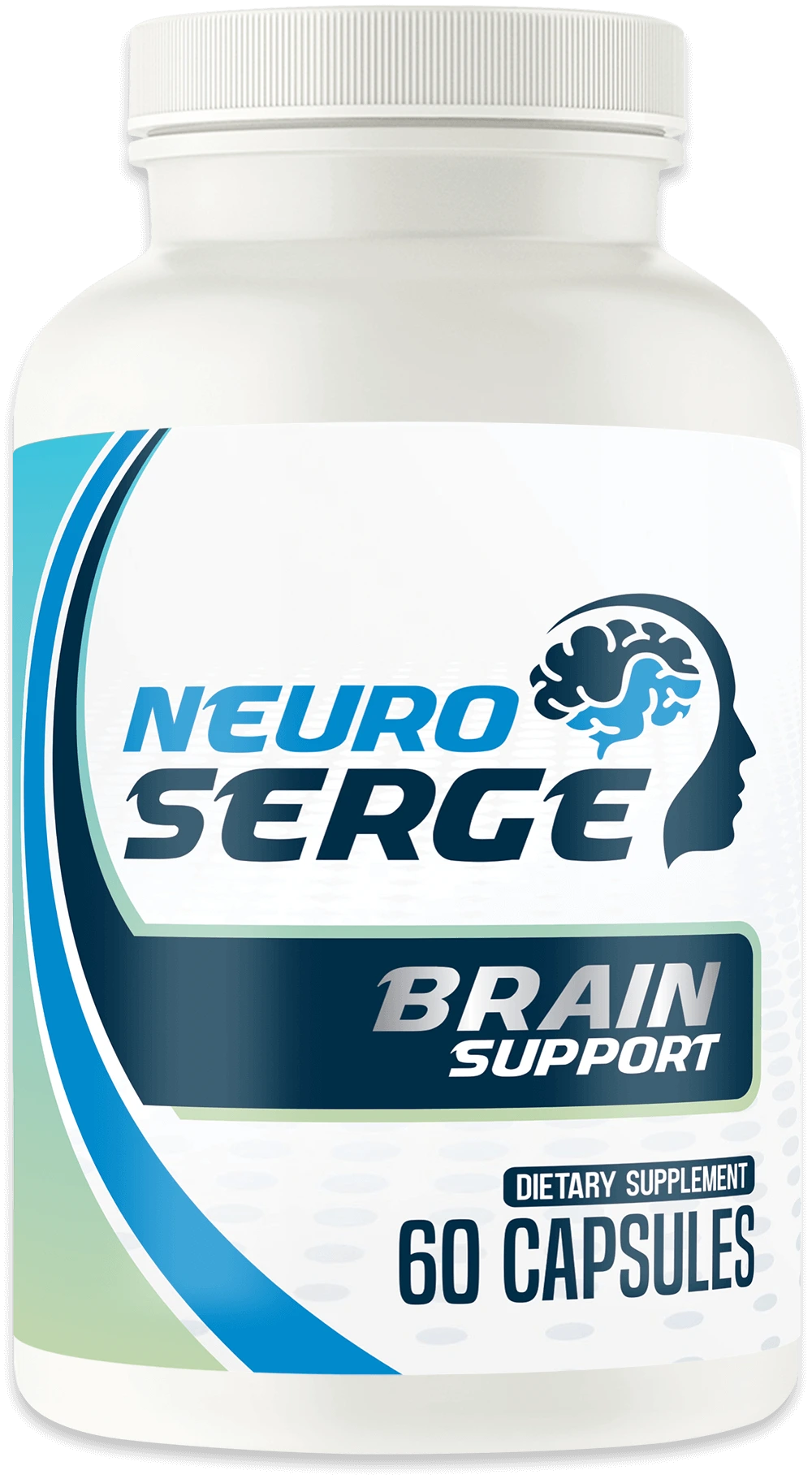
People with liver disease, previous serious herbal reactions, pregnancy or breastfeeding should resolve safety questions before taking this blend. Missing dose and excipient information also matters for allergies and polypharmacy. The 60-capsule front image cannot provide a personalized safe regimen, and a larger bottle package does not establish suitability for longer exposure.
Licorice requires careful naming. NCCIH distinguishes glycyrrhizin-containing licorice, which can have serious cardiovascular effects, from deglycyrrhizinated preparations. Its short-term DGL safety discussion does not validate this undisclosed multi-ingredient formula or a six-month regimen. NCCIH NIH source [4] Ask for residual content rather than assuming all licorice preparations are interchangeable.
- Children should not be given an adult supplement on the basis of an affiliate review.
- People with known ingredient allergies need complete manufacturer information.
- Anyone with persistent cognitive change should seek assessment rather than use capsules to delay care.
- People taking several medicines should arrange a label-based interaction review first.
The ingredient page explains what is missing. The Brain & Memory Guide places supplements within a wider assessment framework. Ingredient research is educational and cannot certify personal safety.
If you have not started the product, waiting for answers avoids an unnecessary exposure while the formula is unclear. If you already use it and feel well, that experience does not establish long-term safety or compatibility with a newly prescribed medicine. Revisit the label whenever the product or your treatment changes.
Questions specific to side effects
These safety answers address the missing information behind six highlighted botanicals and 60-capsule artwork. They do not establish an individual safe dose or a product-specific adverse-event rate. The practical next step is a complete current formula reviewed alongside your medicines, conditions and allergy history before choosing whether to take the supplement.
Does no-stimulants mean no caffeine?
Is DGL the same as ordinary licorice root?
Can I take it if I have liver disease?
Should I stop my blood-pressure medicine to try it?
Does absence of reported symptoms prove safety?
References
- NCCIH. Green Tea: Usefulness and Safety. Accessed October 30, 2026. NIH source
- NIH LiverTox (2020). Green Tea. LiverTox: Clinical and Research Information on Drug-Induced Liver Injury. LiverTox
- NCCIH. Cinnamon: Usefulness and Safety. Accessed October 30, 2026. NIH source
- NCCIH. Licorice Root: Usefulness and Safety. Accessed October 30, 2026. NIH source
Seller documents and offer checked October 30, 2026. Prices are advertised, not a completed checkout. Research comparisons are based on the cited abstracts and official health resources.